The magazine of preventive health and longevity.
Sourced, fact-checked articles written by doctors and experts, to understand, prevent and act every day.
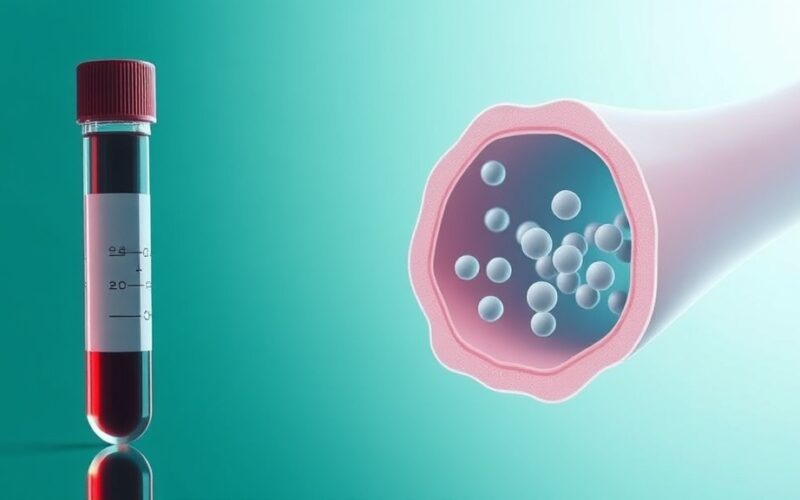
Lp(a): The Heart Attack You Can Now Prevent (and Why It Matters for Longevity)
Lp(a) is a genetic cholesterol particle that raises heart attack risk and never changes with lifestyle, but a one-time test and new…
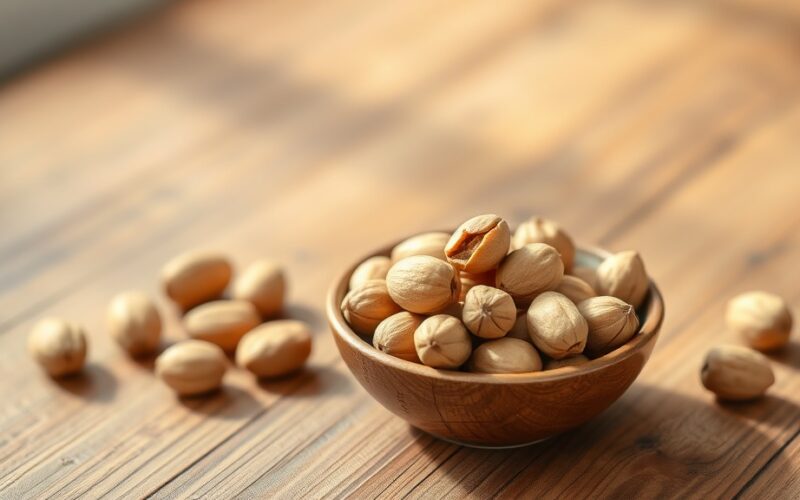
Brazil Nuts: How Many Should You Eat for Optimal Selenium?
A single Brazil nut often meets the full daily selenium requirement, but its content can vary tenfold depending on where it grew.…
FOXO3 Gene: Why It Matters for Longevity and How to Support It
The FOXO3 gene is linked to human longevity, but its variant is fixed at birth. Five lifestyle levers can still influence how…

Phone in Your Pocket: What the Science Says About Radiation and Prostate Risk
Keeping a phone in your pocket exposes the body to constant radiofrequency waves, and a large 2024 study links phone use to…
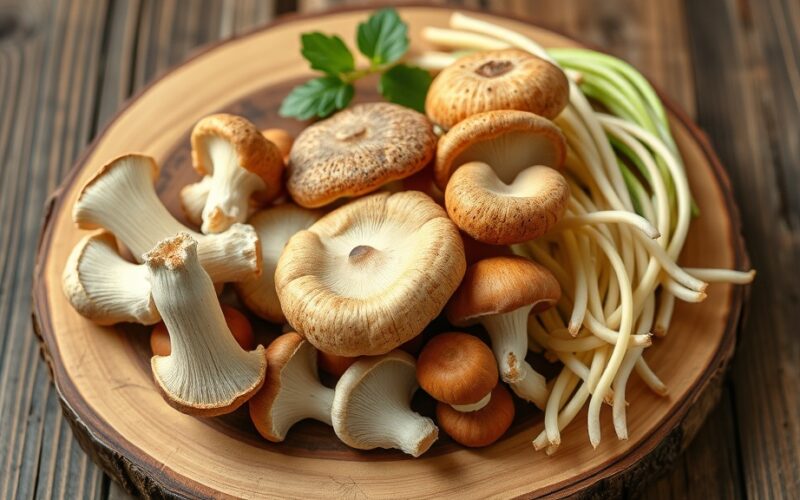
Japanese Mushrooms: What the Science Says About Polyamines and Longevity
Japanese mushrooms such as shiitake, maitake and enoki are rich in polyamines linked to autophagy, and higher intake is tied to lower…

Why You Should Avoid Paper Cups (and Plastic Ones) for Coffee and Tea
Paper cups seem harmless, but hot liquids make them shed microplastics, PFAS and trace metals within minutes. Here is what the research…
Biological Age: Can You Really Get Younger?
Biological age reflects how worn your cells and organs really are, unlike chronological age. Here is how to measure it and four…

Sleep and Longevity: Why Good Sleep Can Slow Aging
Sleep and longevity are closely linked: consistent, good quality sleep supports nightly repair, memory consolidation and brain detox, while poor sleep accelerates…

Walking and Longevity: How Many Steps per Day Do You Really Need?
The 10,000 steps per day target is a myth with no scientific origin. Research points to lower, age-specific thresholds that already cut…