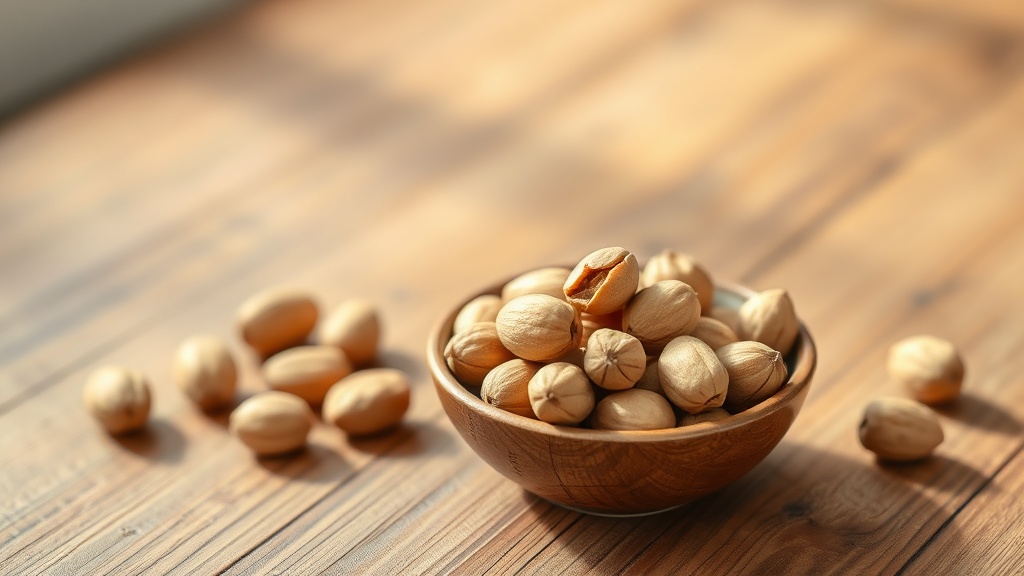
A single Brazil nut a day is often enough to cover the full recommended daily intake of selenium, an essential trace mineral for immunity and thyroid function. Yet the very same nut can contain ten times more or ten times less selenium than another, depending on where it grew. This variability changes everything: here is why moderation matters more for this food than for most others, and how many Brazil nuts to actually aim for, without swinging into either excess caution or plain excess.
In brief – Brazil nuts are among the richest natural sources of selenium, an essential trace mineral for immune function and thyroid health, so much so that a single nut often covers the full recommended daily intake. Their selenium content depends on the Amazonian soil where the tree grew, and measurements show it can vary by a factor of ten or more between batches, and even within the same batch. A meta-analysis of randomized trials confirms that regular intake raises blood selenium levels and improves markers of oxidative stress (Godos et al., 2022). Because the exact dose per nut cannot be known in advance, the safest approach is to never exceed one nut a day and to aim instead for 2 to 3 a week, which supplies a steady amount of selenium without the risk of cumulative excess. Prolonged daily intake over several weeks, especially alongside selenium supplements, raises the risk of selenosis.
Brazil Nuts and Selenium: A Key Role for Immunity
Selenium is a building block of glutathione peroxidase, a major antioxidant enzyme, and it supports the normal function of the immune system and the thyroid. A meta-analysis of randomized controlled trials confirmed that regular consumption of this tree nut significantly raises blood selenium levels and improves certain markers of oxidative stress (Godos et al., Antioxidants, 2022). This antioxidant support is part of the broader biology covered in our pillar page on intercellular communication.
Why Selenium Content Varies So Much From One Nut to Another
This is what makes the food unusual: unlike most nutrient sources, the selenium content of this tree nut depends heavily on the soil where the tree (Bertholletia excelsa) grew in the Amazon rainforest. An analysis of nuts from different regions of Brazil measured concentrations ranging from 0.03 to over 512 ppm depending on the geographic zone (Chang et al., Journal of Agricultural and Food Chemistry, 1995). A more recent study confirms this unevenness, with variation of up to eightfold between two nuts from the same batch (study on selenium accumulation, 2019).
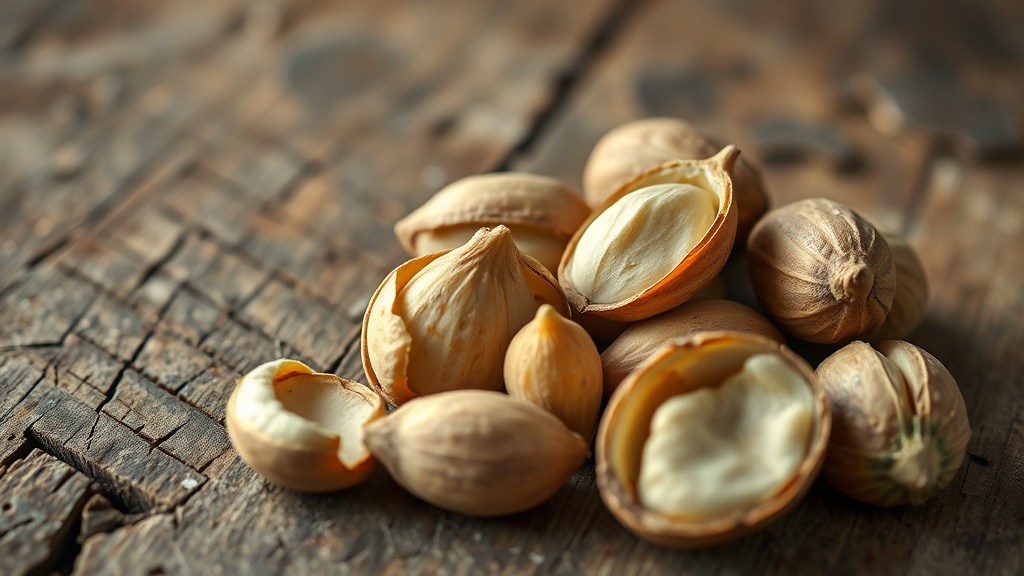
How Many Brazil Nuts Should You Eat per Day?
In France, national dietary guidelines set the recommended intake of selenium at about 70 mcg (micrograms) per day for an adult, with a safety upper limit well below the toxicity thresholds observed from several hundred micrograms per day upward. The NIH Office of Dietary Supplements offers comparable general guidance on safe selenium intake for adults (NIH Office of Dietary Supplements). Given the natural variability of these nuts, the safest approach is not to calculate a precise intake that cannot be known in advance, but to follow a safety range wide enough to absorb that uncertainty:
- Never exceed one nut a day, even though some analyses suggest a single nut can already largely cover the recommended intake.
- Aim instead for 2 to 3 a week for a steady supply without the risk of excessive buildup over time.
- Avoid prolonged daily intake over several weeks without a break, especially if you also take supplements that already contain selenium.
| Approach | Frequency | Why |
|---|---|---|
| Upper ceiling | Never more than 1 nut a day | A single nut can already exceed the recommended selenium intake |
| Recommended target | 2 to 3 nuts a week | Steady selenium supply without risk of cumulative excess |
| To avoid | Daily intake sustained for weeks | Raises the risk of selenosis, especially with added supplements |
Choosing and Storing Brazil Nuts to Avoid Bad Surprises
A few simple precautions reduce the risk of landing on a batch that is particularly rich in selenium, without guaranteeing an exact content:
- Favor small bags rather than large packages, to refresh your stock regularly and avoid eating a large quantity without thinking.
- Store in a cool, dark, dry place in an airtight container: this tree nut turns rancid faster than other oilseeds because of its high fat content.
- Discard nuts that smell rancid or taste bitter, a sign of fat oxidation, regardless of the selenium question.
- Vary the tree nuts you eat rather than relying on a single food, in the spirit of a diversified anti-aging diet.
This rotation between different sources of nuts and seeds fits a broader logic already discussed for other foods to favor after age 50: diversity protects better than focusing on a single “superfood,” however interesting it may be.
Signs of Selenium Excess (Selenosis)
An excessive and prolonged selenium intake can cause selenosis, whose signs include garlic-smelling breath, hair and nail loss, skin lesions, marked fatigue and headaches. These symptoms generally appear after chronic intake far above recommended levels, not after a one-off excess, which is why regularity and moderation matter more than panic. The good news: in the vast majority of cases, selenosis remains reversible once the excessive intake stops, which sets selenium apart from some other trace minerals whose buildup in the body can be more lasting.
Frequently Asked Questions
Is one Brazil nut a day really dangerous?
Not in itself, but given the variability in selenium content, prolonged daily intake over several weeks increases the risk of exceeding recommended thresholds without being able to know it for certain.
Why isn’t the selenium content listed on the packaging?
Because it varies too much from batch to batch to be measured precisely at typical industrial scale, unlike more stable nutrients such as protein or fat.
Are selenium supplements safer than Brazil nuts?
Not necessarily: a supplement provides a fixed, predictable dose, which can be an advantage, but the risk of overdose still exists if you combine a supplement with a diet already rich in selenium.
What other foods provide selenium?
Fish, seafood, eggs, organ meats and certain whole grains contain it, in more predictable amounts than this tree nut. Varying these sources helps ensure a sufficient intake without depending on a single food with such fluctuating content.
Medical disclaimer. The information provided here is for informational purposes only and does not constitute medical advice. It does not replace a consultation. Ask a healthcare professional before changing your diet, taking dietary supplements or starting a new practice, especially if you have a medical condition, are pregnant or are under treatment. Dietary supplements do not replace a balanced diet or medical follow-up.