An anti-aging diet is one of the most powerful levers for slowing aging and protecting long-term health. The good news is that it does not require extreme regimens, just simple principles, validated by science and easy to apply every day.
In brief – An anti-aging diet is an eating pattern that limits chronic inflammation, oxidative stress and blood sugar spikes, three major drivers of biological aging, by favoring nutrient-dense, minimally processed foods. It centers on colorful vegetables and fruits, legumes and fiber, healthy fats such as olive oil and fatty fish, quality protein and anti-inflammatory spices, closely mirroring the Mediterranean diet linked to longevity in Blue Zones research. Eight practical principles, from filling half the plate with vegetables to cooking at home, make it achievable without extreme restriction. Meal timing, including a longer overnight fast, and slower, more mindful eating add further support for stable blood sugar and a healthy gut.
What Is an Anti-Aging Diet?
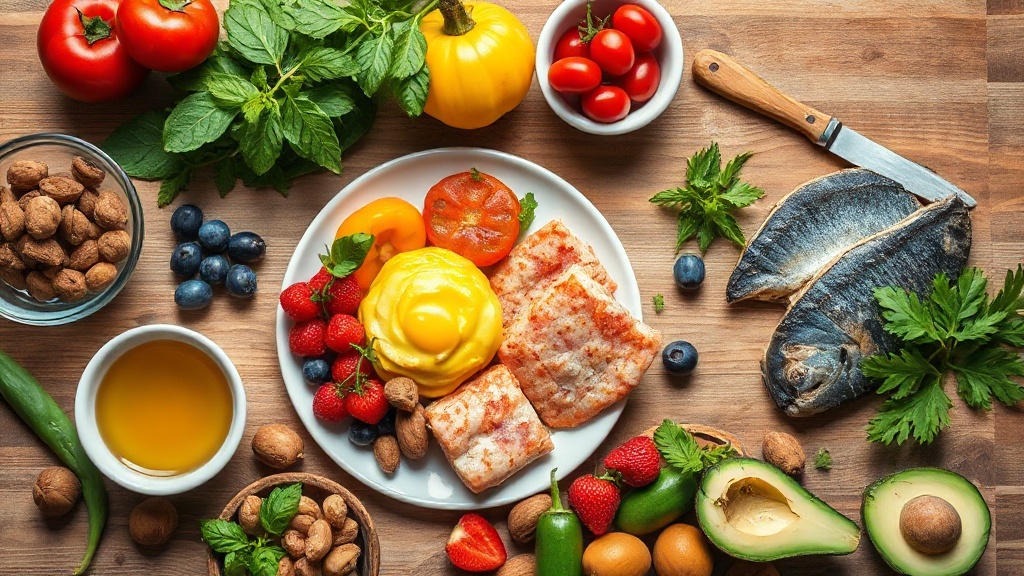
An anti-aging diet aims to limit inflammation, oxidative stress and blood sugar spikes, three major drivers of aging. It favors nutrient-dense foods and reduces ultra-processed products. The reference model remains the Mediterranean diet, linked in many studies to better longevity.
The Key Components of a Protective Plate
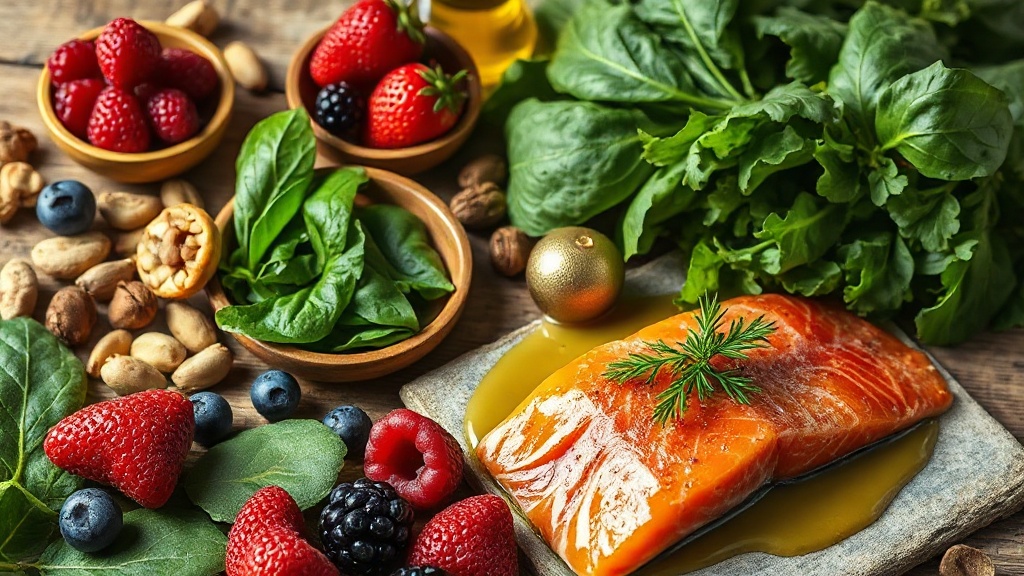
Rather than counting calories, the focus here is on food quality. The pillars of a protective diet include:
- Colorful vegetables and fruits, sources of antioxidants and polyphenols;
- Legumes and fiber, which feed the gut microbiome;
- Healthy fats: olive oil, nuts, fatty fish rich in omega-3s;
- Quality protein, essential for preserving muscle mass;
- Spices and herbs like turmeric or ginger, with anti-inflammatory properties.
Here is how these components compare at a glance:
| Diet component | Examples | Main benefit |
|---|---|---|
| Colorful vegetables and fruits | Berries, leafy greens, peppers | Antioxidants and polyphenols |
| Legumes and fiber | Lentils, chickpeas, beans | Feeds the gut microbiome |
| Healthy fats | Olive oil, nuts, fatty fish | Omega-3s, anti-inflammatory |
| Quality protein | Fish, poultry, eggs, legumes | Preserves muscle mass |
| Spices and herbs | Turmeric, ginger | Anti-inflammatory properties |
What the Science Actually Shows
Health authorities confirm it: according to the World Health Organization, a balanced anti-aging diet markedly reduces the risk of chronic disease and supports longevity.
Research on the Blue Zones, the regions of the world where people live the longest, points to shared traits: a mostly plant-based diet, low in refined sugar and meat. Data on the Mediterranean diet and longevity and on ultra-processed foods and mortality confirm the direct impact of diet on life expectancy.
In Practice: Building Your Meals
With an anti-aging diet, the goal is not to change everything overnight, but to gradually shift your choices. It works hand in hand with other longevity pillars: see our 9 proven longevity strategies and our physical activity guide. All our nutrition content is gathered under the Nutrition pillar.
Protocol: 8 Principles of a Longevity Diet
- Fill half your plate with vegetables at every meal.
- Choose whole grains over refined flour.
- Eat legumes several times a week.
- Use olive oil as your main source of fat.
- Eat fatty fish twice a week for omega-3s.
- Limit red meat and processed meat.
- Cut back on added sugar and sugary drinks.
- Cook at home to avoid ultra-processed foods.
Want to go further each week? Subscribe to the Health Letter to receive our nutrition guides.
Foods to Limit for Healthy Aging
If some foods protect, others speed up aging when eaten in excess. Fast-digesting sugars and sugary drinks trigger repeated blood sugar spikes and promote glycation of proteins, a process that gradually stiffens tissue. Ultra-processed foods, high in additives, salt and low-quality fats, are linked in several studies to higher mortality. Processed and cured meats are best kept occasional.
The goal is not to ban anything, but to think in terms of frequency: what you eat every day matters far more than an occasional treat. Gradually replacing these products with whole, home-cooked foods is one of the most cost-effective changes for long-term health, and one of the easiest to sustain.
Does Meal Timing Matter?
Beyond what is on the plate, research increasingly looks at when we eat, an approach known as chrononutrition. Our metabolism follows a circadian rhythm: insulin sensitivity is better in the morning and early in the day, and declines in the evening. Concentrating food intake earlier in the day, and avoiding late, heavy meals, may therefore support better blood sugar control.
An extended overnight fast, leaving twelve to fourteen hours between dinner and breakfast, gives the digestive system time to rest and may stimulate cellular repair mechanisms. This simple, free approach is appealing for how easy it is to apply, provided you do not shift your excesses onto other meals.
Finally, eating slowly and mindfully improves satiety and limits overeating. The gut microbiome also benefits from regularity and plant diversity. Here again, there is no rigid rule: the goal is a sustainable eating rhythm suited to your lifestyle, not a restrictive protocol impossible to keep up.
In short, an anti-aging diet does not require a strict regimen: it rests on simple, varied and consistent choices. Making these choices part of daily life means giving your body the nutrients that slow aging.
Frequently Asked Questions
Do I need to become vegetarian to age well?
No, but reducing meat, especially red meat and processed meat, in favor of vegetables, legumes and fish is linked to better longevity. Balance matters more than exclusion.
Are dietary supplements necessary?
A varied diet covers most needs. Some situations (vitamin D deficiency, B12 deficiency in vegans) may call for supplementation, but always after advice from a healthcare professional.
Does sugar speed up aging?
Excess sugar causes blood sugar spikes and a process called glycation, which stiffens tissue. Cutting added sugar is one of the most effective steps for protecting long-term health.
What are the Blue Zones?
They are five regions of the world (Okinawa, Sardinia, Ikaria, Nicoya, Loma Linda) with an exceptionally high proportion of centenarians. Their diet, mostly plant-based and minimally processed, is one of the traits they share.
⚕️ Medical disclaimer: This article is provided for informational purposes and does not replace medical advice. Consult a healthcare professional before making any decisions about your health.
Medical disclaimer. The information provided here is for informational purposes only and does not constitute medical advice. It does not replace a consultation. Ask a healthcare professional before changing your diet, taking dietary supplements or starting a new practice, especially if you have a medical condition, are pregnant or are under treatment. Dietary supplements do not replace a balanced diet or medical follow-up.