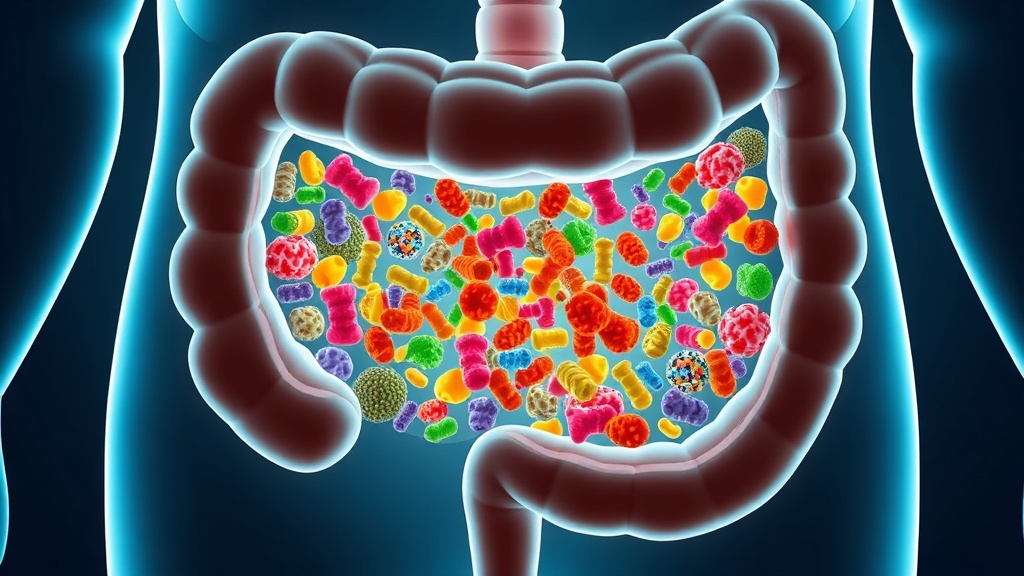
Gut microbiome is the term for the trillions of microorganisms that live in our digestive tract. Long overlooked, it is now regarded as an organ in its own right, central to overall health.
In brief – The gut microbiome is the community of trillions of bacteria, viruses, yeasts and fungi that live mainly in the colon and weigh about two kilograms (4.4 lb) in total. It digests fiber, produces short-chain fatty acids, makes certain vitamins, trains the immune system and communicates with the brain through the gut-brain axis. A diverse gut flora is linked to a lower risk of obesity, type 2 diabetes, inflammatory disorders and some mood problems, while a narrow, imbalanced one, called dysbiosis, is linked to higher risk. Fiber-rich plants, fermented foods and prebiotics feed beneficial bacteria, while ultra-processed food, added sugar, alcohol, chronic stress and unnecessary antibiotics deplete them. Because its composition keeps changing with age, diet and lifestyle, caring for that diversity is a lifelong habit rather than a one-time fix.
What is the gut microbiome?
It brings together bacteria, viruses, yeasts and fungi that live in our intestines, mostly in the colon. It includes several hundred different species, for a total weight of around two kilograms (4.4 lb). Every person’s gut flora is unique, shaped from birth and then by diet, environment and lifestyle.
The key roles of the gut microbiome
Far from being limited to digestion, it performs many vital functions:
- Digesting fiber and producing beneficial short-chain fatty acids;
- Synthesizing vitamins (vitamin K, some B vitamins);
- Training the immune system: about 70% of immune cells reside in the gut;
- Protecting against pathogens by occupying available space;
- Communicating with the brain through the gut-brain axis.
What the science really shows
Research on the gut microbiome is expanding rapidly. Harvard’s Nutrition Source notes that an imbalance in this microbial community, called dysbiosis, is associated with numerous conditions: obesity, diabetes, inflammatory disorders and even some mood problems.
Studies confirm the importance of bacterial diversity: see the research on gut microbiota and human health and on diet and microbiome diversity. The more diverse gut flora is, the more resilient it tends to be.
In practice: feeding your gut flora
Diet is the main lever for maintaining healthy gut flora. Plant fiber is its essential fuel. For more, see our guide to anti-aging nutrition and our overview of intermittent fasting. More content awaits in our Nutrition hub.
Protocol: foods that support gut flora
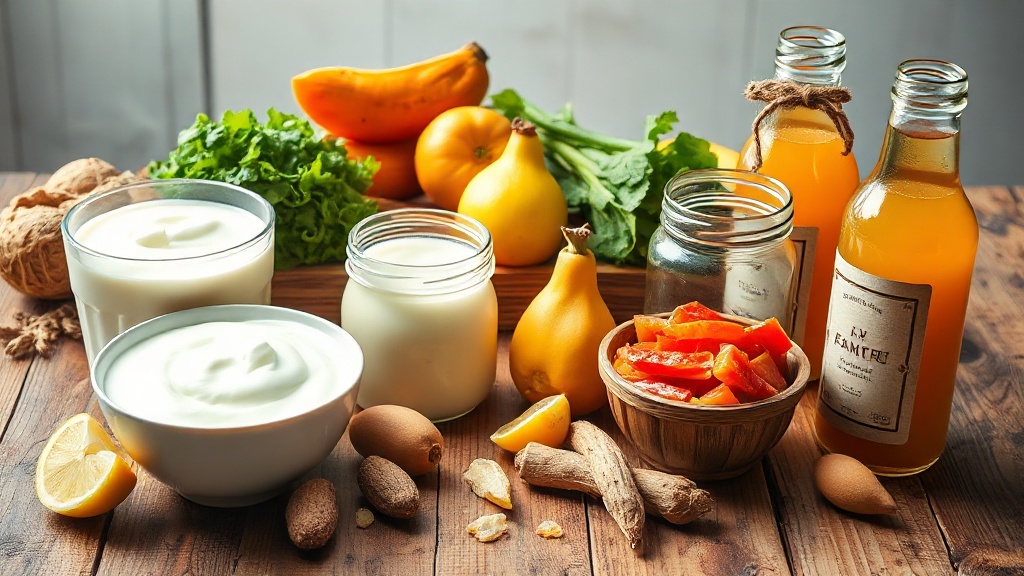
- A variety of fiber: vegetables, legumes, fruit, whole grains, every day.
- Fermented foods: yogurt, kefir, sauerkraut, kimchi, rich in natural probiotics.
- Prebiotics: garlic, onion, leek, banana, which feed beneficial bacteria.
- Polyphenols: tea, cocoa, berries, olive oil.
- Fewer ultra-processed foods, less sugar and fewer sweeteners, which deplete gut flora.
For weekly nutrition tips, subscribe to our health newsletter.
The gut-brain axis
The gut microbiome constantly communicates with the brain through the vagus nerve, the immune system and chemical messengers. It is sometimes called our “second brain”: the gut alone produces a large share of the body’s serotonin, a key neurotransmitter for mood. This connection may explain why an imbalanced microbiome can go hand in hand with anxiety or low mood.
Caring for the gut therefore also supports mental well-being. Research on “psychobiotics”, bacterial strains with potential effects on mood, reflects growing interest in this link, which is still only partly understood.
Should you take probiotics?
Probiotic supplements can help in specific situations, after a course of antibiotics or with certain digestive disorders, but they do not replace a diet rich in fiber and fermented foods. Not all probiotics are equal: their effects depend on the specific strains and doses used. For persistent digestive trouble, medical advice can guide the choice rather than trying products at random.
Prebiotics, probiotics, postbiotics: untangling the terms
Microbiome vocabulary is often confusing. Probiotics are live, beneficial microorganisms found in fermented foods or supplements. Prebiotics are the fibers that feed these beneficial bacteria, found in garlic, onion, leek, banana or chicory. Postbiotics, finally, are the beneficial compounds bacteria produce when they ferment that fiber, such as short-chain fatty acids.
| Term | What it is | Food sources |
|---|---|---|
| Probiotics | Live beneficial microorganisms | Yogurt, kefir, sauerkraut, kimchi |
| Prebiotics | Fibers that feed beneficial bacteria | Garlic, onion, leek, banana, chicory |
| Postbiotics | Compounds bacteria produce when fermenting fiber | Short-chain fatty acids such as butyrate |
For a thriving gut microbiome, prebiotics matter most day to day: without fiber, even the best bacteria starve. Eating a wide range of plants is more effective than stacking probiotic capsules.
Gut flora and weight: a close link
Gut flora composition differs between lean and overweight individuals. Some bacteria extract more energy from food, while others influence appetite, fat storage and insulin sensitivity. Low microbial diversity is associated with a higher risk of obesity and metabolic disorders. This is not inevitable: lasting dietary change gradually rebalances gut flora.
Fasting and eating windows may also play a role, giving the gut periods of rest. Our guide to intermittent fasting explores this approach, best combined with generous fiber intake.
Protecting your gut flora from antibiotics
Antibiotics save lives, but they do not discriminate: they also wipe out beneficial bacteria. After treatment, microbiome diversity can take several weeks, sometimes longer, to recover. To support this recovery, favor a diet rich in fiber and fermented foods as soon as treatment ends, and avoid requesting antibiotics for viral infections, against which they are useless.
This caution matters even more for children, whose gut microbiome develops during the first years of life and partly shapes future immunity.
Gut flora enemies to limit
Several habits quietly deplete gut flora. To preserve a diverse gut microbiome, it helps to limit:
- Ultra-processed foods and emulsifying additives;
- Excess sugar and artificial sweeteners;
- Alcohol in large amounts;
- A low-fiber, monotonous diet;
- Chronic stress and poor sleep, which also affect gut flora through the gut-brain axis.
Conversely, the more varied and colorful the diet, the richer and more resilient the gut flora. A varied plate builds a varied microbiome, which is why the NHS eating well guidance recommends a wide range of fiber-rich plants.
Gut flora and immunity: the first line of defense
Nearly 70% of immune cells reside in the gut, in constant dialogue with the gut microbiome. A diverse microbiome trains the immune system, helps it distinguish friend from foe and limits inappropriate reactions. An imbalance, conversely, is associated with greater vulnerability to infection and a more inflammatory environment. Looking after gut flora therefore strengthens natural defenses from within, one more reason to prioritize diet, especially during winter or periods of fatigue.
A gut ecosystem that evolves over a lifetime
Gut flora begins forming at birth, shaped by delivery mode, feeding and environment, then diversifies through childhood. In adulthood, it reaches relative stability but remains influenced daily by diet, stress, medication and sleep. With age, diversity tends to decline, which can contribute to frailty and chronic inflammation in older adults. Actively maintaining gut flora richness throughout life, through a varied, fiber-rich diet, is therefore a long-term health investment, never settled once and for all.
Frequently asked questions
How do I know if my gut microbiome is imbalanced?
Chronic bloating, irregular bowel habits, fatigue or repeated infections can suggest dysbiosis. Only a healthcare professional can properly assess it though, since consumer microbiome tests remain unreliable.
How long does it take to improve gut health?
Its composition starts to shift within a few days of a dietary change, but lasting changes require several weeks of consistency. Regularity is the key.
Do antibiotics destroy gut flora?
Antibiotics temporarily reduce bacterial diversity. Gut flora usually rebuilds within a few weeks, especially with a diet rich in fiber and fermented foods.
Are probiotic supplements effective?
They can help in targeted cases, but their effect depends on the strains used and remains variable. For most people, food is more effective and more sustainable than capsules.
Medical disclaimer. The information provided here is for informational purposes only and does not constitute medical advice. It does not replace a consultation. Ask a healthcare professional before changing your diet, taking dietary supplements or starting a new practice, especially if you have a medical condition, are pregnant or are under treatment. Dietary supplements do not replace a balanced diet or medical follow-up.