
Intermittent fasting means alternating periods of eating and periods without food across the day or the week. Now hugely popular, it fascinates as much as it divides opinion: what does the scientific evidence actually show?
In brief – Intermittent fasting is an eating pattern that alternates periods of eating and periods of fasting within the day or the week, most commonly the 16/8 method (16 hours fasting, 8 hours eating) or the 5:2 method (five normal days, two days near 500 calories). Research shows it helps with weight loss mainly by reducing total calorie intake, with benefits broadly similar to classic calorie restriction rather than any unique metabolic advantage. It is not recommended during pregnancy or breastfeeding, for people with diabetes on medication, or for those with a history of eating disorders. Paired with enough protein and regular movement, it can support metabolic health when practiced consistently over time.
What Is Intermittent Fasting?
This approach is not a diet in the classic sense: it does not dictate what to eat, but when to eat. By concentrating meals into a shorter window, it extends the time spent without calorie intake, which changes how the body uses energy. The approach echoes the eating rhythm of early humans, who did not have continuous access to food.
The Main Methods
Several fasting protocols exist, ranging from the most flexible to the most demanding:
- 16/8: 16 hours of fasting and an 8 hour eating window, the most accessible method;
- 5:2: normal eating on 5 days, sharply reduced intake (about 500 calories) on 2 days each week;
- Skipping a meal (often breakfast), simple to fit into daily life;
- Alternate day fasting, fasting every other day, best reserved for experienced people under supervision.
| Method | Fasting window | Eating pattern |
|---|---|---|
| 16/8 | 16 hours | 8 hour eating window each day |
| 5:2 | 2 days a week | Normal eating 5 days, about 500 calories on 2 days |
| Skip a meal | Variable | Two meals a day, breakfast often skipped |
| Alternate day fasting | Every other day | Normal eating on non fasting days |
What the Science Really Says About Intermittent Fasting
On the nutrition side, health authorities stress that no method excuses a poorly balanced diet: the World Health Organization emphasizes that food quality matters more than meal timing alone.
Studies show intermittent fasting helps with weight loss mainly because it spontaneously lowers total calorie intake. See the research on fasting and weight loss and on time restricted eating and metabolic health. So far, its benefits appear broadly comparable to those of classic calorie restriction, with no magic advantage.
Putting Fasting Into Practice
This approach is only worthwhile alongside good overall lifestyle habits. Pair it with our guidance on anti aging nutrition and our longevity strategies. You will find more coverage in our Nutrition hub.
A Protocol for Getting Started
- Start with 16/8 by simply pushing breakfast back a few hours.
- Stay well hydrated: water, tea and unsweetened coffee are allowed during the fasting window.
- Prioritize food quality: protein, vegetables, healthy fats, and no “catching up” with ultra processed food.
- Extend the fasting window gradually, listening to how your body responds.
- Keep up light physical activity, without pushing hard in the first few days.
For step by step guidance and weekly nutrition tips, subscribe to our newsletter.
Autophagy: The Star Mechanism Behind Fasting
One argument often raised in favor of intermittent fasting is autophagy, a cellular cleanup process by which the body recycles its own damaged components. Discovered by Nobel laureate Yoshinori Ohsumi, this mechanism is triggered by fasting periods and is the subject of intense research in the field of aging. The National Institute on Aging tracks this line of research closely.
Some caution is warranted, however: most of the data on autophagy come from animal studies, and the fasting duration needed to trigger it in humans is still debated. It should therefore not be presented as a fountain of youth, but as one tool among others to support metabolic health, provided it is practiced properly.
Who Should Avoid It?
Intermittent fasting is not suitable for everyone. It is not recommended for pregnant or breastfeeding women, people with diabetes on medication, those with a history of eating disorders, or children and teenagers. Anyone with a chronic condition or taking medication should get medical advice before starting.
For everyone else, the main discomforts of the first days, hunger, irritability, lower energy, usually fade within one to two weeks as the body adapts. If symptoms persist or worsen, it is best to stop and see a doctor.
Intermittent Fasting and Weight Loss: The Real Mechanism
If it helps with weight loss, this is not through some hormonal magic but through a fairly simple mechanism: by shrinking the window in which you eat, you spontaneously cut the total number of calories consumed each day. Fewer snacks, fewer opportunities to eat, and often a better sense of true hunger. There is also an effect on insulin: levels drop during fasting, which makes it easier for the body to use fat as fuel.
Watch out for the classic trap: making up for the fast with very high calorie or low quality meals cancels out the benefit entirely. It only works if the quality of what you eat keeps up. It is a framework, not a license to eat anything during the allowed window.
Intermittent Fasting in Women: Specific Precautions
The female body is more sensitive to signals of energy restriction, given its reproductive role. In some women, a fast that is too strict or too long can disrupt the menstrual cycle, sleep or mood. This does not mean fasting is off limits, but that it is best approached gently: starting with shorter fasting windows (12 to 14 hours), avoiding fasting every single day, and staying attentive to the body’s signals.
Women who are pregnant or breastfeeding, or who have a history of eating disorders, should abstain. During perimenopause, when hormonal balance is already shifting, it is best to move cautiously and seek medical advice if in doubt.
What to Eat During the Eating Window
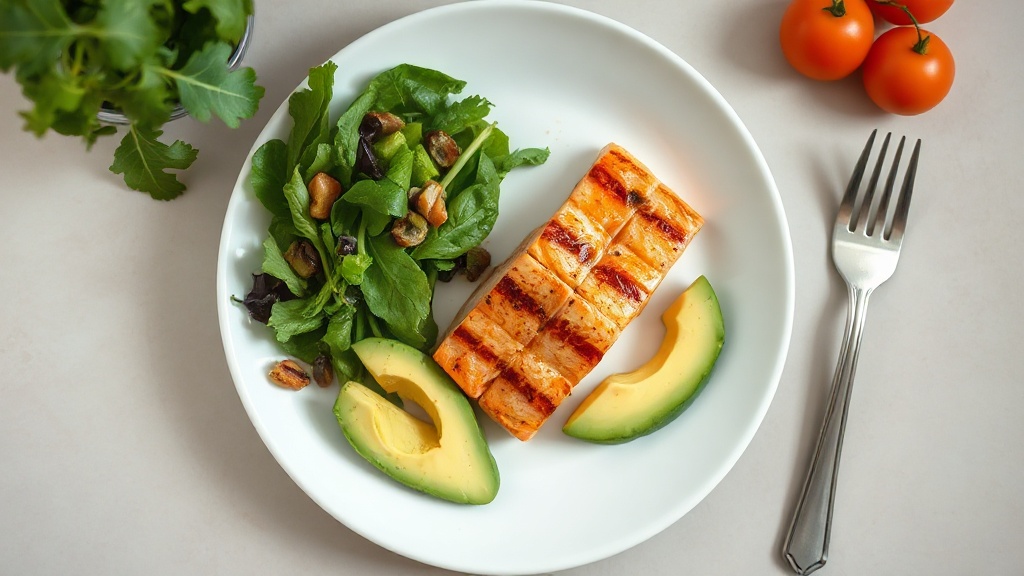
What is on the plate determines how well this approach works. During the eating window, the goal is to cover all nutritional needs while favoring nutrient density:
- Quality protein at every meal (eggs, fish, poultry, legumes) to preserve muscle;
- Plenty of vegetables and whole fruit for fiber and micronutrients;
- Healthy fats: olive oil, avocado, nuts and seeds, fatty fish;
- Whole carbohydrates (whole grains, legumes) rather than fast sugars;
- Good hydration throughout the day.
Done well, this approach fits naturally with the principles in our guide to the gut microbiome, since the fiber eaten during the eating window feeds the gut flora.
Should You Train While Fasted?
Training fasted, in the morning before the first meal, is perfectly possible and even preferred by some for the feeling of lightness it brings. In terms of fat burning, fasted exercise draws more heavily on fat stores, but the real benefit for weight loss stays modest and depends mostly on overall calorie balance. For moderate effort (walking, easy cycling, light jogging), training fasted is generally not a problem.
For intense sessions or strength training, however, many people perform better after eating something first. If you combine this approach with strength work, make sure you get enough protein during the eating window to preserve muscle mass, a point we cover in our guide to strength training after 50.
Managing Hunger and Early Side Effects
The first days of fasting sometimes come with cravings, irritability or lower energy, while the body learns to draw on its reserves. These sensations are normal and temporary. To get through them more comfortably, drink plenty of fluids (water, tea and black coffee blunt hunger), avoid clock watching while waiting for the next meal, and keep your mind occupied. Hunger tends to arrive in waves that pass on their own. Within one to two weeks, most people report better regulated hunger and steadier energy.
Beyond 16/8: Other Forms of Fasting
This practice is not limited to the 16/8 protocol. The gentler 14/10 suits beginners and women well. The 5:2 method sharply cuts calories on two days a week. A full 24 hour fast, once or twice a month, is better suited to experienced practitioners. There is no universal formula: the best approach is the one you can sustain over time without excessive frustration or obsession. A comfortable, regular 14/10 beats an ambitious 18/6 abandoned after a week. Listening to your body and staying flexible matter more than chasing performance.
Frequently Asked Questions
Does intermittent fasting really help you lose weight?
Yes, but mainly because it reduces the number of calories eaten over the day. It has no magic fat burning effect: without a calorie deficit, it will not lead to weight loss.
Can you drink during the fasting window?
Yes. Water, tea, coffee and herbal infusions without sugar or milk are allowed and even recommended to stay well hydrated during the fasting period.
Does intermittent fasting cause muscle loss?
The risk exists if protein intake is too low or if there is no physical activity. Paired with adequate protein and strength training, it preserves lean mass well.
What is the easiest method for beginners?
The 16/8 method is by far the most accessible: delaying or skipping breakfast is usually enough to reach a 16 hour fasting window, counting the night.
Medical disclaimer. The information provided here is for informational purposes only and does not constitute medical advice. It does not replace a consultation. Ask a healthcare professional before changing your diet, taking dietary supplements or starting a new practice, especially if you have a medical condition, are pregnant or are under treatment. Dietary supplements do not replace a balanced diet or medical follow-up.