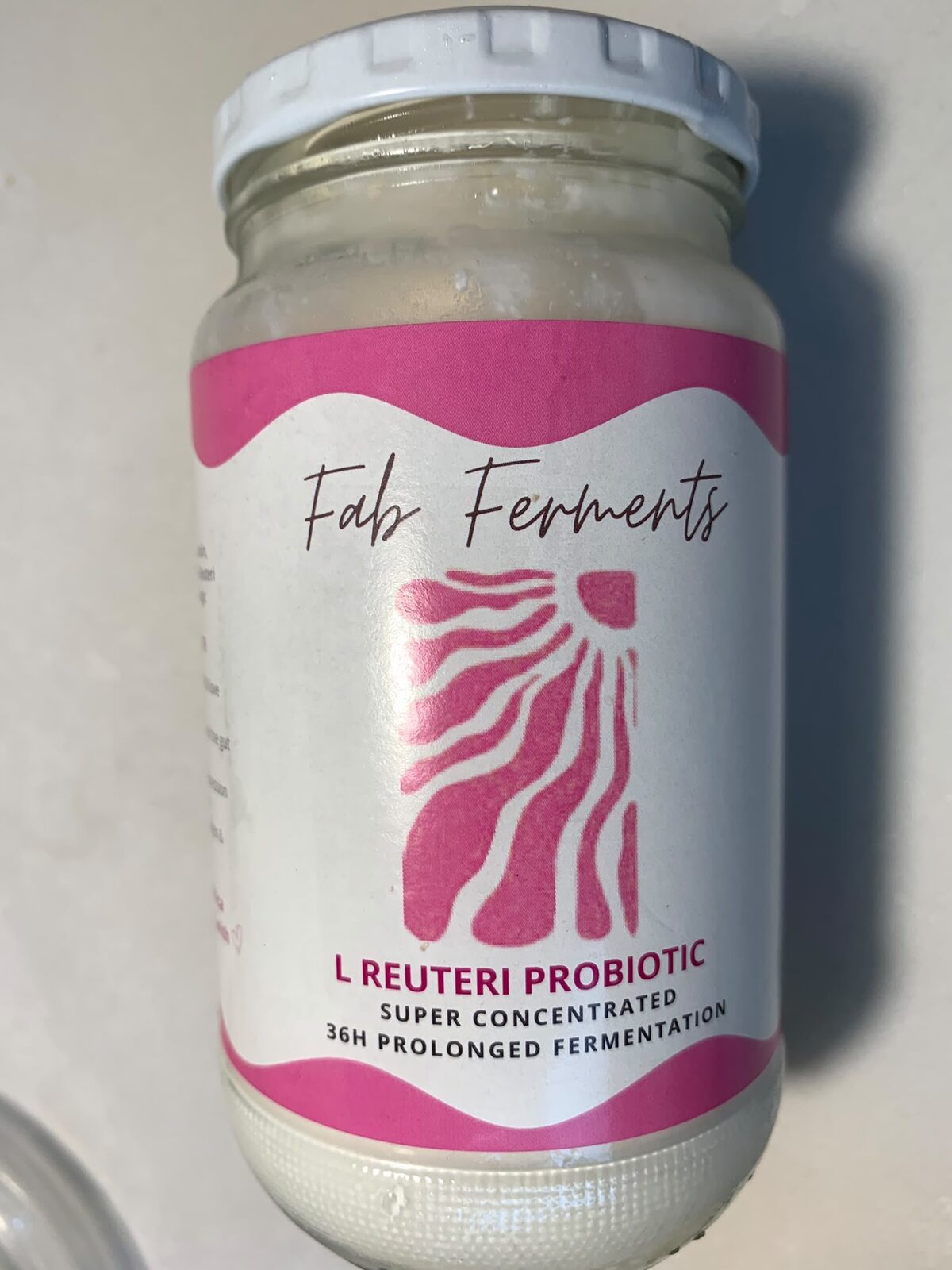
Among the hundreds of available strains, two probiotics draw special attention from longevity enthusiasts: Lactobacillus reuteri and Lactobacillus gasseri. Both bacteria occur naturally in the human body and are studied for their effects on the gut microbiome, immunity and metabolism. Cultured in goat or sheep milk, they yield a fermented food that is both easy to digest and valuable. Here is a closer look at this promising duo.
In brief – Probiotics such as Lactobacillus reuteri and Lactobacillus gasseri are naturally occurring human bacteria studied for their effects on the gut microbiome, immunity and metabolism, with growing interest in a possible role in healthy aging. L. reuteri produces reuterin, an antimicrobial compound, and interacts closely with the immune system, while several human trials link certain L. gasseri strains to a modest reduction in abdominal fat. Together, these probiotics may support microbiome diversity, the intestinal barrier, the low-grade inflammation known as inflammaging, immunity and the gut-brain axis, several mechanisms tied to aging. Culturing them in goat or sheep milk instead of cow milk does not change what the probiotic itself does, but it is typically easier to digest, which supports regular, long-term intake.
L. reuteri and L. gasseri: Two Probiotics Apart
Not all probiotics are equal. The strength of L. reuteri and L. gasseri lies in their origin: both are so-called human bacteria, naturally found in our digestive tract, which makes them particularly well suited to our bodies.
Lactobacillus reuteri is one of the most studied strains in the world. It produces reuterin, a compound with antimicrobial properties, and interacts closely with the immune system. Lactobacillus gasseri, meanwhile, is best known for research on metabolism and body fat. Together, these two probiotics cover a wide range of actions relevant to healthy aging.
How These Probiotics Act on Longevity
The link between the gut microbiome and aging is one of the most active fields of research, as the World Health Organization notes in its fact sheet on ageing and health. Here are the main pathways through which these probiotics may support longevity:
- Microbiome diversity: a rich, balanced gut microbiome is associated with healthier aging.
- The intestinal barrier: these strains help preserve the tightness of the gut lining, limiting the passage of unwanted compounds.
- Chronic inflammation: by modulating the microbiome, they may help ease the low-grade inflammation known as inflammaging, which is involved in many age-related diseases.
- Immunity: a large share of our immune defenses reside in the gut, which these probiotics help support.
- The gut-brain axis: the microbiome communicates with the brain, influencing mood and cognitive function.
In other words, caring for the gut with the right probiotics is a way of acting early on several key mechanisms of aging.
L. reuteri: What the Science Says
L. reuteri is backed by a solid body of research. Its effects on digestive health, immune modulation and oral health are among the best documented (PubMed data).
Other, more recent avenues are generating considerable excitement: studies, mostly in animals, suggest effects on wound healing, oxytocin production and tissue vitality. Caution is still warranted, though: these striking results still need to be confirmed in humans. The enthusiasm around this strain is real, but the science itself is advancing carefully.
L. gasseri: What the Science Says
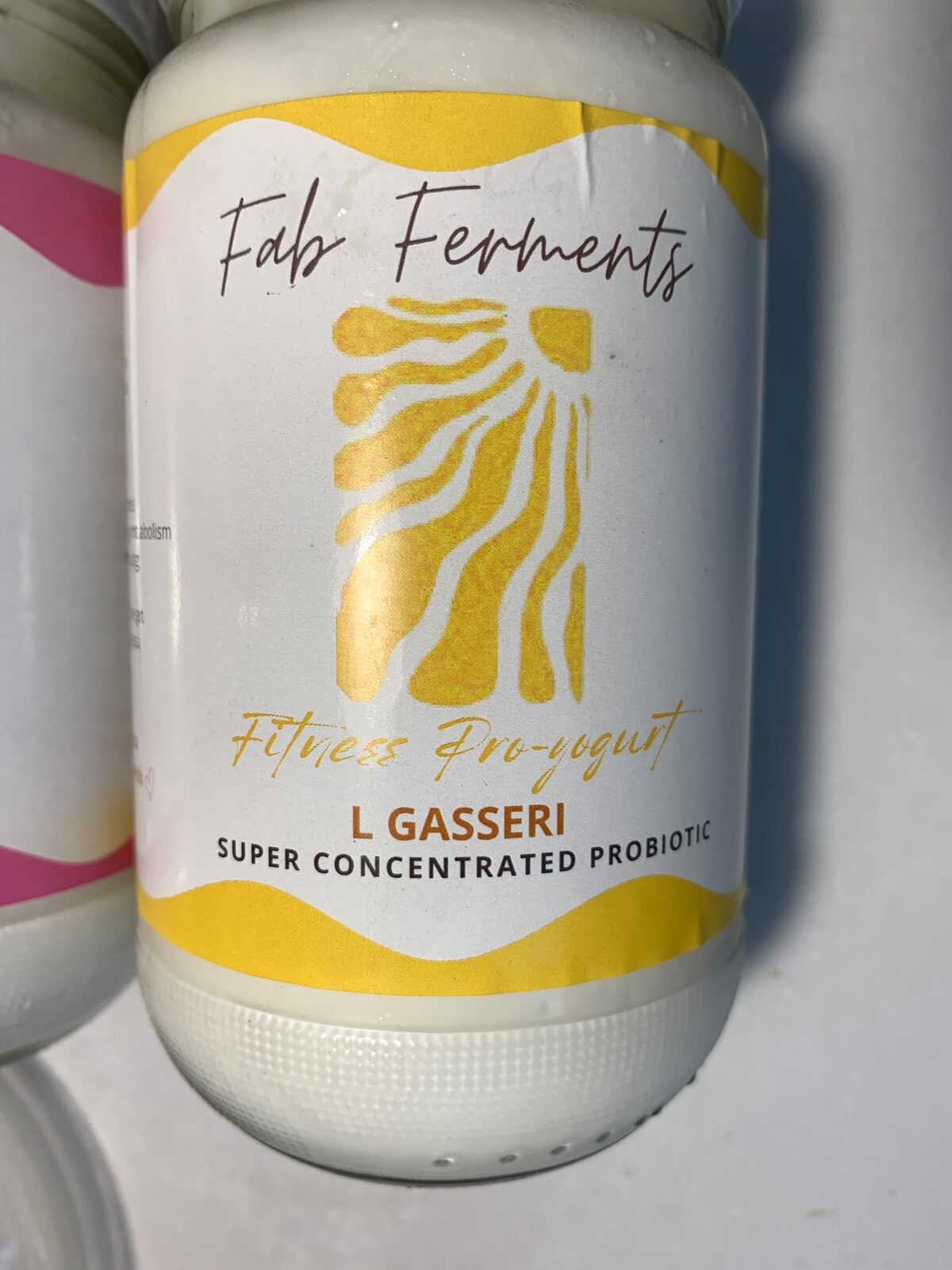
Lactobacillus gasseri stands out for research on metabolism. Several human clinical trials have observed a moderate reduction in abdominal fat and body weight with certain gasseri strains (PubMed data).
These effects, while modest, are noteworthy because visceral fat is a major risk factor for age-related disease. Beyond metabolism, this strain also contributes to gut microbiome balance. As is often the case with probiotics, the benefits depend on the specific strain and on regular intake.
L. reuteri vs. L. gasseri at a Glance
The two strains complement each other more than they compete, as this brief comparison shows:
| Probiotic | Best-documented effects | Type of evidence |
|---|---|---|
| Lactobacillus reuteri | Digestive health, immune modulation, oral health | Solid human data, plus early animal research on healing and tissue vitality |
| Lactobacillus gasseri | Reduced abdominal fat, body weight, microbiome balance | Several human clinical trials with specific strains |
Why Goat or Sheep Milk Changes the Picture
The choice of milk used to culture these probiotics is not trivial. Goat and sheep milk offer several advantages over cow milk. Their proteins and fats are often easier to digest, and they tend to be better tolerated by people with sensitivities.
Fermenting L. reuteri or L. gasseri in goat or sheep milk produces a yogurt or kefir that is rich in live cultures and particularly easy to digest, in keeping with guidance from the Harvard T.H. Chan School of Public Health’s Nutrition Source on fermented dairy. It is exactly the spirit behind our sheep milk kefir dessert. One caveat, though: the milk does not change what the probiotic itself does, but it improves the tolerability and nutrient density of the final product, which supports regular, sustainable intake.
In Practice: Getting the Most From These Probiotics
How can these probiotics fit into everyday life, simply and effectively? A few pointers:
- Favor fermented foods: goat or sheep milk yogurts and kefirs are an ideal base.
- Try fermenting at home: it yields a rich, personalized ferment at low cost.
- Prioritize consistency: benefits build up with daily intake, not occasional use.
- Vary the sources: pair these probiotics with fiber and plant foods, which the microbiome thrives on.
- Stay cautious if you are vulnerable: if you are immunocompromised or seriously ill, medical advice is essential.
This habit fits into a broader lifestyle rich in plant foods and inspired by the habits of the blue zones, where fermented foods hold a place of honor.
Frequently Asked Questions
What is the difference between L. reuteri and L. gasseri?
L. reuteri is mainly studied for digestive health, immunity and oral health, with promising leads still awaiting confirmation. L. gasseri stands out for its effects on metabolism and abdominal fat. Both are complementary probiotics of human origin.
Is goat or sheep milk really better?
It is not strictly better for the probiotic’s own action, but it is often easier to digest and better tolerated than cow milk. This makes regular intake easier, which matters more than the choice of milk on its own.
Can you make these ferments at home?
Yes. With good quality milk and a suitable starter culture, you can prepare a yogurt or kefir rich in these probiotics at home. Consistent fermentation and good hygiene are the keys to a safe, tasty result.
Do probiotics carry any risks?
For most healthy people, they are safe and well tolerated. If you are immunocompromised, seriously ill or undergoing intensive treatment, it is best to ask a healthcare professional before taking them regularly.
Medical disclaimer. The information provided here is for informational purposes only and does not constitute medical advice. It does not replace a consultation. Ask a healthcare professional before changing your diet, taking dietary supplements or starting a new practice, especially if you have a medical condition, are pregnant or are under treatment. Dietary supplements do not replace a balanced diet or medical follow-up.