Alkalinizing foods have a flattering reputation: they are said to “rebalance the body’s terrain” and help you live longer. Behind this appealing claim lies a mix of truth and myth worth untangling. No, eating alkaline does not change the pH of your blood. Yes, a plate rich in vegetables and fruit is a solid asset for longevity. Here is how to separate the myth from the real benefits.
In brief – Alkalinizing foods are vegetables, fruit, herbs and root vegetables that lower the acid load your kidneys must clear, unlike meat, cheese and refined grains. They do not change your blood pH, which stays locked between 7.35 and 7.45 regardless of diet: only urine pH shifts. Their real value for longevity comes from potassium, fiber and polyphenols, not from any pH change. Research on dietary acid load links a high acid diet with unfavorable effects on bone, muscle and kidney function, while a high fruit and vegetable intake is tied to lower mortality. Baking soda has narrow, medically supervised uses but is not a validated daily longevity cure. For healthy aging, a produce rich plate remains the best strategy, far ahead of any bicarbonate shortcut.
The Myth of the “Acidic Terrain”
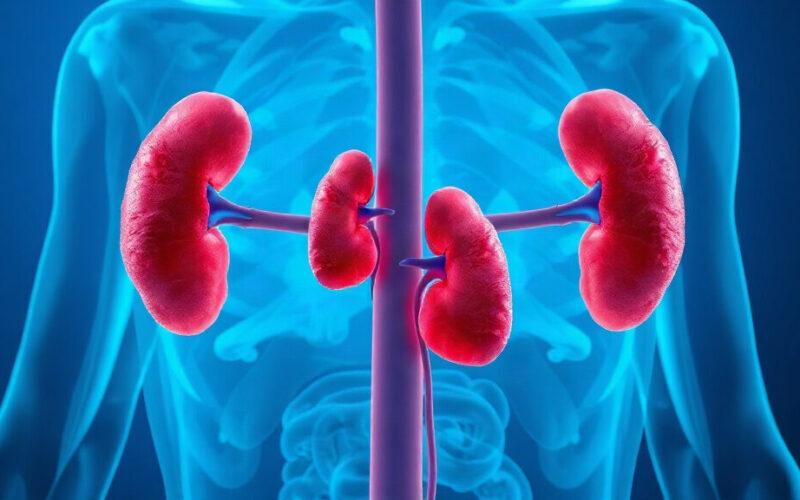
The idea that food can “acidify” or “alkalinize” the blood rests on a misunderstanding. Blood pH is one of the body’s most tightly regulated constants: it stays between 7.35 and 7.45 no matter what you eat. Two systems constantly guard this balance, the kidneys and the lungs, and no food can durably shift that number.
What diet actually changes is urine pH, not blood pH. Seeing your urine turn more alkaline after a salad does not mean your whole body has “alkalinized.” Claims that a diet can cure serious disease by changing blood pH amount to misinformation. The real story lies elsewhere, and it is more interesting: it explains why these foods still deserve a prominent place on the plate.
Dietary Acid Load: The Real Mechanism Behind Alkalinizing Foods
If blood keeps its pH steady, the kidneys work harder or easier depending on what we eat. This is the concept of dietary acid load, often measured with the PRAL index. Some foods generate more acid to eliminate, while others supply base precursors instead:
- Mostly acid forming: meat, cold cuts, cheese and refined grains, which raise the acid load the kidneys must process.
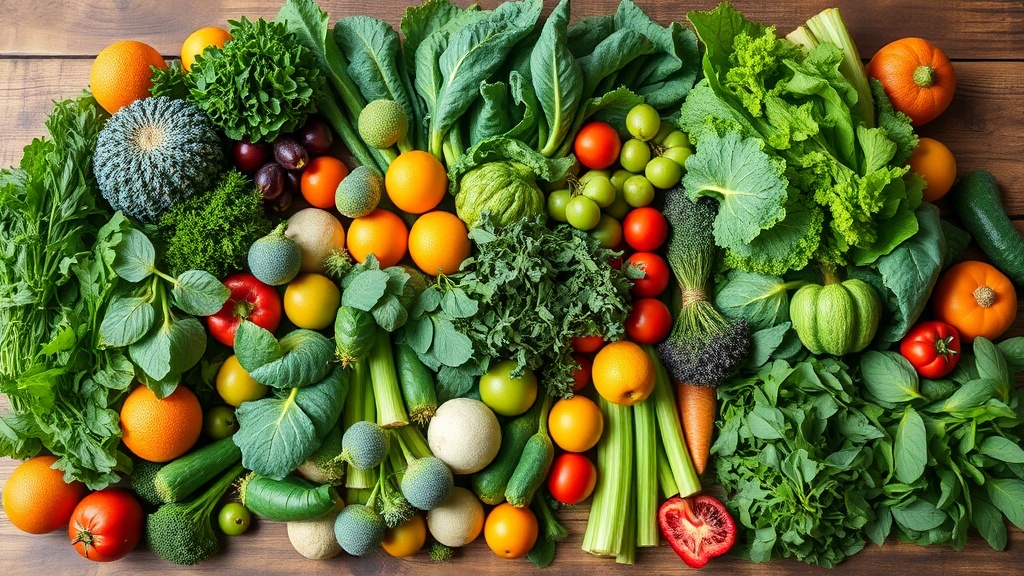
- Mostly alkalinizing: vegetables, fruit, herbs and root vegetables, rich in potassium, which lower that load.
- The role of potassium: abundant in plants, it supplies the body with natural bicarbonate precursors that buffer acidity, a mechanism documented by the NIH Office of Dietary Supplements.
- The cumulative effect: it is not a single meal that matters, but the overall balance of the diet over time.
| Food category | Effect on acid load | Typical examples |
|---|---|---|
| Acid forming | Raises the load the kidneys must clear | Meat, cold cuts, cheese, refined grains |
| Alkalinizing | Lowers the acid load | Leafy greens, fruit, herbs, root vegetables |
| Potassium rich | Supplies bicarbonate precursors that buffer acidity | Bananas, potatoes, legumes, avocado |
In other words, the value of this approach does not come from some hypothetical change in blood pH, but from the fact that they lighten the kidneys’ workload and deliver a wealth of protective nutrients.
What the Science Says About Alkalinizing Foods
Research on dietary acid load suggests that a high load, typical of diets low in plant foods, may be associated with unfavorable effects on bone, muscle and kidney function (PubMed data).
More importantly, the evidence on fruit and vegetable intake is among the most robust in nutrition science: a diet that favors them is linked to lower mortality and healthier aging (PubMed data). This benefit comes from potassium, fiber, polyphenols and a lower acid load, far more than from any story about pH. Nutrition guidance points the same way: the World Health Organization recommends filling more of the plate with vegetables and fruit, meaning more alkalinizing foods every day.
The Best Alkalinizing Foods to Prioritize
Good news: nothing exotic or expensive is needed. The best alkalinizing foods are also the simplest:
- Leafy greens: spinach, chard, broccoli and arugula, rich in potassium and magnesium.
- Other vegetables: zucchini, peppers, beets, carrots and sweet potatoes.
- Fruit: citrus, berries, banana and avocado, particularly valuable despite their sometimes tart taste.
- Herbs and aromatics: parsley, basil and coriander, which concentrate minerals and antioxidants.
- Legumes and nuts, as a complement, for overall balance on the plate.
A dessert like our blackberry, pomegranate and kefir bowl illustrates this logic well. More broadly, the largely plant based habits of the Blue Zones best embody this style of eating, which can also pair well with levers such as intermittent fasting.
What About Baking Soda?
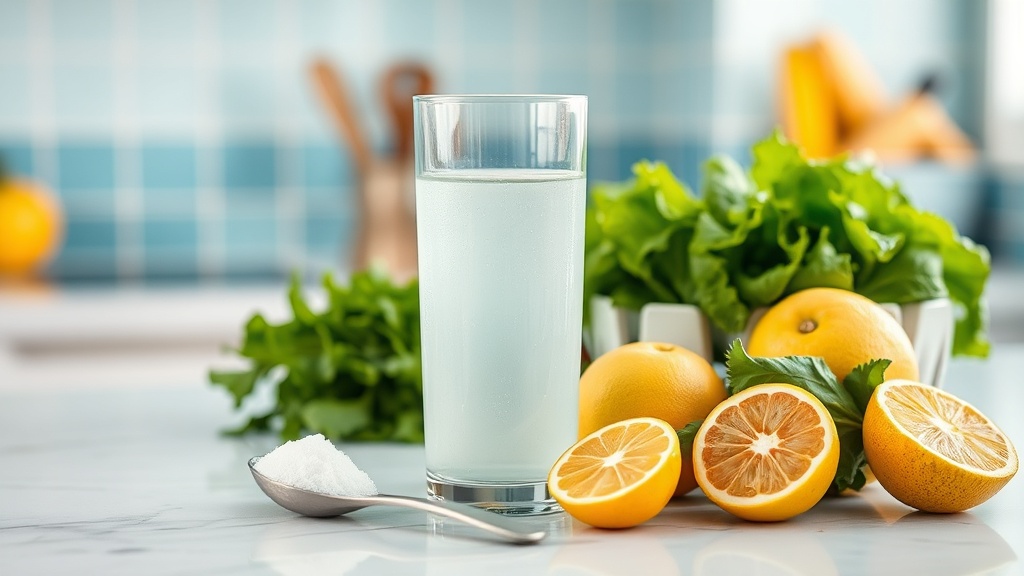
Baking soda is often presented as the ultimate shortcut to “alkalinize the terrain.” The reality is more measured. Baking soda has genuine uses, but they are tightly defined: it is sometimes prescribed in chronic kidney disease under strict medical supervision, and it is studied as a sports performance aid for its buffering effect.
As a daily self prescribed “longevity” fix, however, it is unproven and not risk free. It delivers a large amount of sodium, which can be a problem for people with high blood pressure or a fragile heart, and excess intake can cause alkalosis or digestive trouble. The rule is simple: baking soda may have a place, but only with a healthcare professional’s guidance, never as an improvised daily cure. For longevity, a plant rich plate remains by far the better strategy.
Frequently Asked Questions
Do alkalinizing foods change your blood pH?
No. Blood pH stays between 7.35 and 7.45 thanks to the kidneys and lungs, whatever you eat. What changes is urine pH. Their benefits come from their nutrients and lower acid load, not from a shift in blood pH.
Should you take baking soda every day?
No, this is not recommended without medical guidance. Baking soda has legitimate but tightly defined uses, and an uncontrolled daily dose exposes you to excess sodium and other imbalances. Always ask a healthcare professional first.
What are the best alkalinizing foods?
Leafy greens, other vegetables, fruit, aromatic herbs and, as a complement, legumes. These foods are all rich in potassium and protective compounds, forming the basis of a diet that favors longevity.
Can an “alkaline” diet cure disease?
No. No diet cures serious disease by changing the body’s pH, which is physiologically impossible. A diet rich in plant foods does, however, support overall health and reduce certain risks over the long term.
Medical disclaimer. The information provided here is for informational purposes only and does not constitute medical advice. It does not replace a consultation. Ask a healthcare professional before changing your diet, taking dietary supplements or starting a new practice, especially if you have a medical condition, are pregnant or are under treatment. Dietary supplements do not replace a balanced diet or medical follow-up.