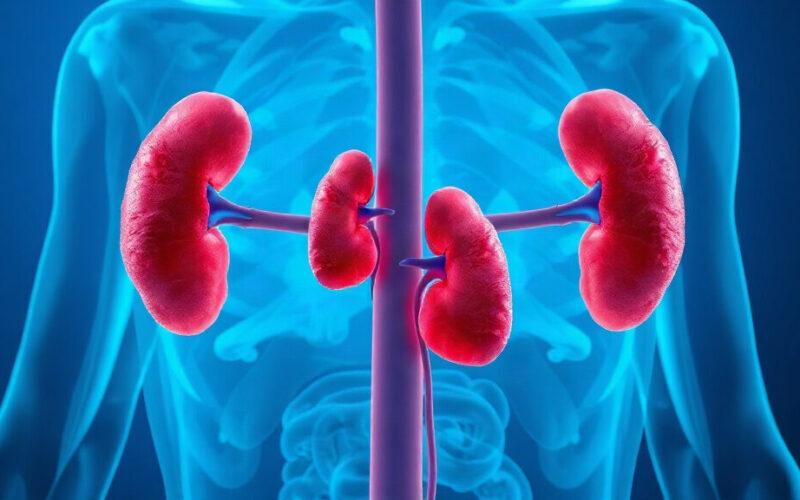
What if a tiny molecule played a major role in your cardiovascular health? Nitric oxide (NO) is a gas the body makes continuously to widen the arteries and keep blood flowing smoothly. The catch: its production declines with age. The good news is that a handful of simple, little-known habits can help restore it, from nasal breathing to dark chocolate. Here is a closer look.
In brief – Nitric oxide (NO) is a gas the body produces continuously to relax and widen blood vessels, improving blood flow and helping keep blood pressure in a healthy range. Production of NO declines with age, but several overlooked daily habits can help raise it: breathing through the nose, humming or chanting, eating nitrate rich vegetables such as beets, kale and arugula, getting a few minutes of sunlight, enjoying a small square of dark chocolate, and even brief cold exposure. Beet juice is one of the most studied sources of dietary nitrates, shown to lower blood pressure and improve exercise performance. Combining these simple, low cost levers supports circulation, endothelial health and, over time, cardiovascular longevity.
What Is Nitric Oxide (NO)?
NO is a signaling molecule produced mainly by the inner lining of our blood vessels, the endothelium. Its starring role is relaxing the muscles in artery walls so they widen, a process called vasodilation. The result: blood flows more easily and pressure drops.
The body makes it through two pathways: directly in the endothelium, and from dietary nitrates, which are converted into nitrites and then into NO. With age, the first pathway weakens, which is why supporting the second and stimulating both matters.
The Benefits of Nitric Oxide
A healthy level of NO benefits many functions:
- Blood pressure: by widening blood vessels, it helps keep it low.
- Circulation: better blood flow to the muscles, the brain and every organ.
- Physical performance: optimized oxygenation during exercise, widely studied in athletes.
- Endothelial health: a safeguard against arterial stiffness and atherosclerosis.
- Brain and sexual health: two areas that depend heavily on good circulation, where NO plays a key role.
Conversely, insufficient production is linked to high blood pressure and vascular aging, which makes NO a quiet but valuable ally of longevity.
What the Science Says
NO’s central role in endothelial and cardiovascular function is well established (PubMed data).
Dietary nitrates, particularly from beets, lower blood pressure and improve exercise performance (PubMed data). More surprisingly, humming substantially increases nasal NO production (PubMed data). These mechanisms echo the broader cardiovascular prevention guidance highlighted by the World Health Organization.
6 Little-Known Ways to Boost Your Nitric Oxide
Beyond medication, several everyday habits naturally stimulate NO. Here are the most interesting ones, often overlooked:
- Breathe through your nose: the sinuses continuously produce NO, which nasal breathing carries down to the lungs. Breathing through the mouth bypasses this benefit.
- The yogis’ “Om” and humming: humming or chanting makes the sinuses vibrate and can multiply nasal NO release by nearly fifteenfold. The “Ommmm” still has surprises in store.
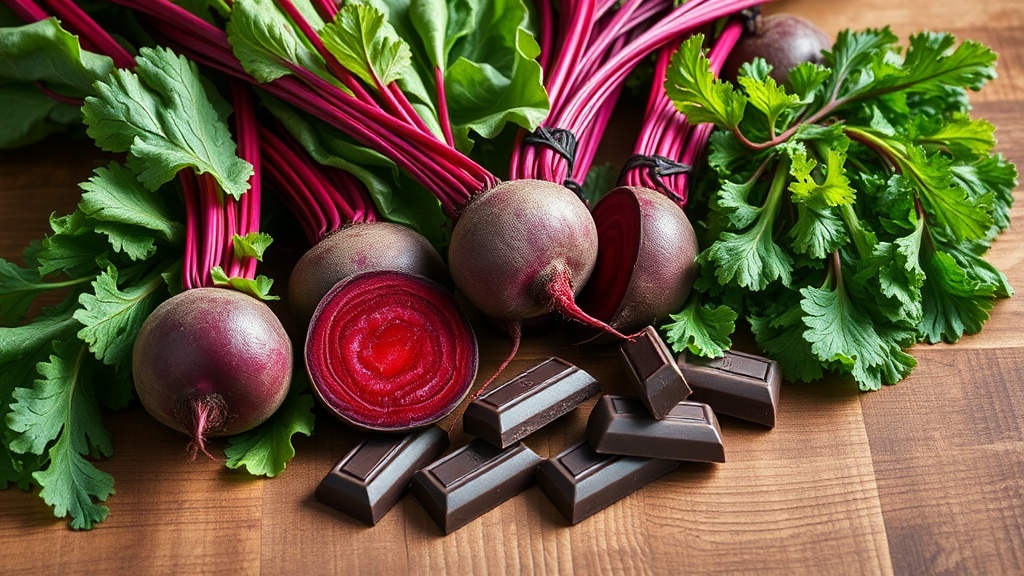
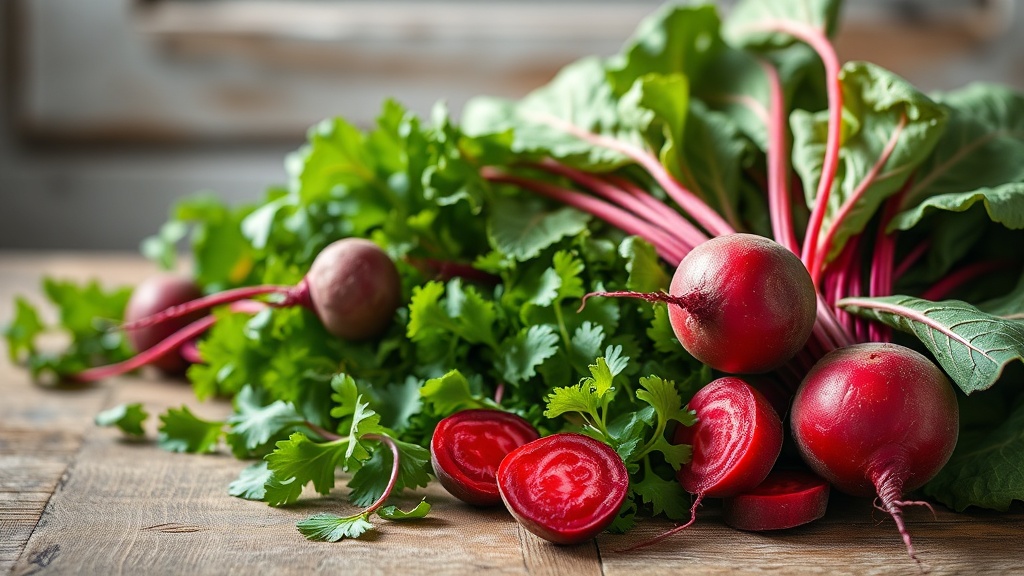
- Nitrate rich vegetables: beets, watercress, kale, arugula and spinach feed the nitrate to nitrite to NO pathway. Beet juice, in particular, is the champion.
- Ten minutes of sunlight: UVA rays release NO stored in the skin, which widens blood vessels and lowers blood pressure, independent of vitamin D. Practice in moderation, and never to the point of sunburn.
- Dark chocolate: cocoa flavanols stimulate the endothelium and NO production. Choose chocolate with a high cocoa content, in small amounts.
- Cold exposure: exposure to cold may stimulate circulation and endothelial function. This is the most emerging lead, and the evidence remains limited.
| Lever | How to use it | Main effect |
|---|---|---|
| Nasal breathing | Breathe through the nose at rest and during light effort | Carries sinus derived NO to the lungs |
| Humming | Hum or chant, as in the yogis’ “Om” | Can multiply nasal NO release nearly fifteenfold |
| Nitrate rich vegetables | Beets, watercress, kale, arugula, spinach | Feeds the nitrate to nitrite to NO pathway |
| Sunlight | About ten minutes, without burning | Releases NO stored in the skin |
| Dark chocolate | A small square of high cocoa chocolate | Cocoa flavanols stimulate the endothelium |
| Cold exposure | Brief, occasional exposure to cold | May support circulation and endothelial function |
In Practice: Combining the Levers
The strength of these levers lies in their simplicity and in how well they complement each other. A few habits worth adding to your routine:
- Adopt nasal breathing, both at rest and during moderate exercise, and try humming.
- Add nitrate rich vegetables to every meal, alternating beets and leafy greens.
- Get a little sunlight during gentler hours, with caution, and enjoy a square of dark chocolate.
- Move regularly: physical activity remains the most powerful natural stimulant of NO, and alternating heat and cold is also worth exploring carefully.
These habits pair well with good cardiorespiratory fitness and a diet rich in plants. They fit within the broader pillars of longevity, where every small step counts.
Frequently Asked Questions
What is nitric oxide for?
It is a molecule that widens blood vessels, improves circulation and helps maintain low blood pressure. It also supports physical performance and endothelial health. Its production declines with age, which is why stimulating it matters.
Does humming really increase NO?
Yes. Making the sinuses vibrate by humming or chanting, like the yogis’ “Om”, can multiply nasal NO release by nearly fifteenfold. It is a simple, free way to boost production.
Which foods boost nitric oxide?
Nitrate rich vegetables: beets, watercress, kale, arugula, spinach. Dark chocolate, thanks to its flavanols, also contributes. Beet juice is particularly well studied for its effect on blood pressure and exercise performance.
Does sunlight increase NO?
Yes, UVA rays release NO stored in the skin, which slightly lowers blood pressure, independent of vitamin D. A few minutes are enough, always in moderation and without causing sunburn.
Medical disclaimer. The information provided here is for informational purposes only and does not constitute medical advice. It does not replace a consultation. Ask a healthcare professional before changing your diet, taking dietary supplements or starting a new practice, especially if you have a medical condition, are pregnant or are under treatment. Dietary supplements do not replace a balanced diet or medical follow-up.