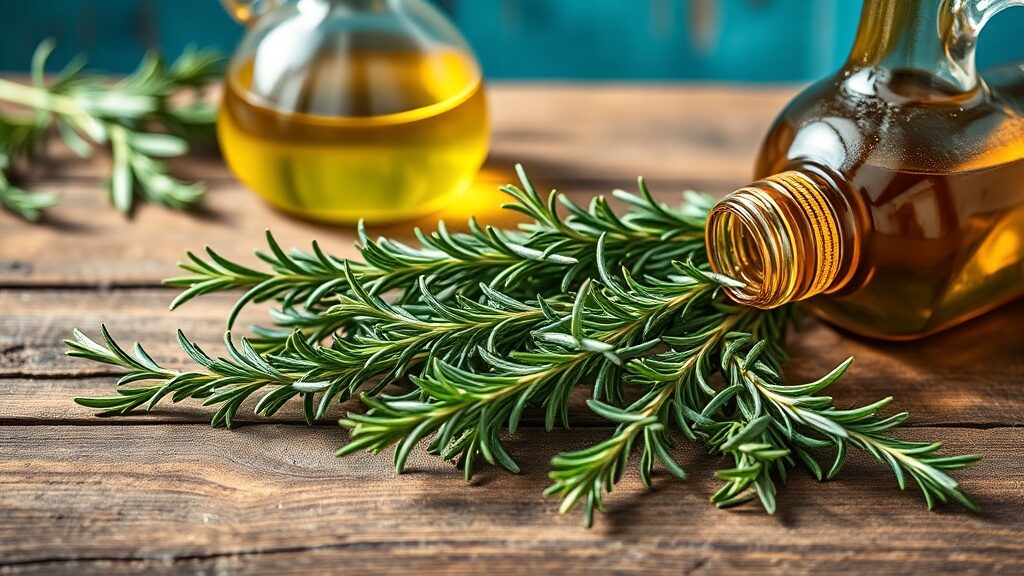
What if one of the most valuable plants for your health was already sitting in your kitchen? Rosemary is far more than a Mediterranean cooking herb: it is a genuine concentrate of active compounds, chief among them carnosic acid. Antioxidant, anti-inflammatory, brain protective: recent research uncovers properties that speak directly to longevity. Here is a clear-eyed look at an exceptional herb, without overstating its promise.
In brief – Rosemary is a Mediterranean herb rich in antioxidant compounds, notably carnosic acid, rosmarinic acid and ursolic acid, along with the aromatic compound 1,8-cineole. These molecules give it antioxidant, anti-inflammatory, digestive and antimicrobial properties, and its carnosic acid activates the Nrf2 pathway, a key cellular defense switch studied for its role in slowing cell aging. In animal studies, a stabilized carnosic acid derivative reduced amyloid plaques and improved memory, though human evidence on memory remains modest and preliminary. Used daily in cooking or as a tea at food level doses, it is a simple, safe way to add protective plant compounds to a longevity focused diet, while concentrated supplements and internal use of the essential oil call for medical advice, especially during pregnancy.
Rosemary: a concentrate of active compounds
What makes it so effective is its molecules. Behind its fragrance lies a range of compounds studied for their biological effects:
- Carnosic acid and carnosol: the plant’s star diterpenes, powerful antioxidants.
- Rosmarinic acid: anti-inflammatory and cell protective.
- Ursolic acid: a triterpene studied for its effects on muscle and metabolism.
- 1,8-cineole: the aromatic compound linked to alertness and memory.
These molecules are so stable that its extract is used as a natural antioxidant in the food industry, to keep fats from turning rancid.
| Compound | Family | Studied effect |
|---|---|---|
| Carnosic acid, carnosol | Diterpenes | Antioxidant, Nrf2 pathway activation |
| Rosmarinic acid | Phenolic acid | Anti-inflammatory, cell protective |
| Ursolic acid | Triterpene | Muscle and metabolic support |
| 1,8-cineole | Terpene (aromatic) | Alertness, memory |
The health benefits of rosemary
This richness translates into a number of benefits now being explored by science:
- An antioxidant shield: it neutralizes free radicals and strengthens cellular defenses.
- An anti-inflammatory effect: its compounds slow key pathways of chronic inflammation.
- A digestive ally: traditionally used to ease sluggish digestion.
- Antimicrobial action: it also helps protect food and support immunity.
- Circulatory support: traditionally credited with toning the body and supporting circulation.
These properties align with the spirit of a plant rich diet (PubMed data).
Rosemary, the brain and memory: what does the science say?
“There’s rosemary, that’s for remembrance,” Shakespeare has Ophelia say. This old reputation now has a scientific echo. A 2025 study found that a stabilized form of carnosic acid, diAcCA, reduced amyloid plaques and improved memory in mouse models of Alzheimer’s disease (PubMed data).
Let’s stay grounded, though: this is a drug derivative tested in animals, not the rosemary on your plate. In humans, the few trials on memory show modest, inconsistent results. The lead is exciting but still preliminary. In the meantime, its scent remains a pleasant boost for alertness and mental wellbeing.
Rosemary and longevity: the Nrf2 pathway
This is where the herb becomes especially interesting for healthy aging. Its carnosic acid activates a key cellular pathway called Nrf2, a genuine switch for our internal defenses. Once triggered, it boosts production of antioxidant enzymes that protect our cells from oxidative stress (PubMed data).
By activating our own protective systems rather than acting alone, it illustrates a principle central to longevity science: hormesis, the idea that mild stress makes the body more resilient. This boost to internal defenses also interests researchers studying age related inflammation, a recognized driver of aging. These mechanisms, still mostly demonstrated in the lab, make it a standout among the levers of longevity, in keeping with the Mediterranean traditions of the Blue Zones. The broader principles of a protective diet are outlined by the Harvard T.H. Chan School of Public Health.
In practice: using rosemary every day
Good news: adding it to meals is simple, tasty and safe. A few ideas:
- In cooking: fresh or dried, on roasted vegetables, meat, fish, or infused in olive oil.
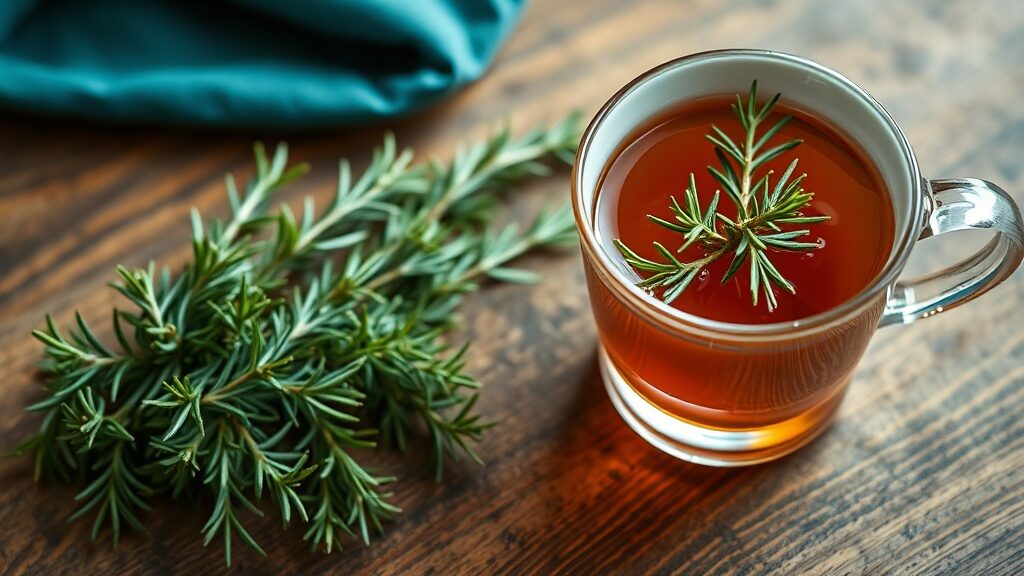
- As a tea: a few sprigs in hot water make a digestive, aromatic infusion.
- In flavored water or marinades: add a sprig to a marinade or a water pitcher for effortless variety.
- With regularity: daily use in small amounts matters more than occasional large doses.
- With caution at high doses: concentrated supplements and internal use of the essential oil require professional advice, particularly during pregnancy.
Used as an everyday herb, rosemary is one of the simplest and most enjoyable ways to add protective compounds to your diet.
Frequently asked questions
What are the main benefits of rosemary?
Rosemary is rich in antioxidants such as carnosic acid, with anti-inflammatory and cell protective effects. It supports digestion, has antimicrobial properties, and is the subject of promising research on the brain and aging.
Does rosemary really improve memory?
Tradition and some studies suggest an effect on alertness and memory, notably through its aroma. In humans, however, the evidence remains modest and preliminary. The most striking results come from animal studies that still need confirmation.
How should you use rosemary?
The simplest approach is to use it in cooking, fresh or dried, on vegetables, meat and fish, or as a tea. Regular use at culinary doses is what delivers the most benefit, without excess.
Does rosemary carry any risks?
At food level doses, it is very safe. Highly concentrated supplements and internal use of the essential oil, however, can pose problems, particularly during pregnancy. Medical advice is recommended in those cases.
Medical disclaimer. The information provided here is for informational purposes only and does not constitute medical advice. It does not replace a consultation. Ask a healthcare professional before changing your diet, taking dietary supplements or starting a new practice, especially if you have a medical condition, are pregnant or are under treatment. Dietary supplements do not replace a balanced diet or medical follow-up.