Blue zones are a handful of regions around the world where residents live exceptionally long, often past 100 years old, and remain healthy well into old age. Studying these places offers a concrete road map for our own longevity.
In brief – Blue zones are five regions of the world, Okinawa in Japan, Sardinia in Italy, Ikaria in Greece, the Nicoya Peninsula in Costa Rica and Loma Linda in California, where an unusually high share of residents live past 100 in good health. Research popularized by explorer Dan Buettner links this longevity to a consistent lifestyle rather than genetics, which accounts for only about 20 to 30% of the outcome. The pattern includes a mostly plant based diet built around legumes, natural daily movement like walking and gardening, a strong sense of purpose, close social ties and regular rest. None of these habits is remarkable on its own, but their steady combination over decades produces a measurable effect on healthy lifespan. The same principles, more plants, more movement, more connection, less stress, are broadly supported by mainstream nutrition and public health research.
What Are the Blue Zones?
The term “blue zones” was popularized by explorer Dan Buettner to describe five regions with record breaking longevity: Okinawa (Japan), Sardinia (Italy), Ikaria (Greece), the Nicoya Peninsula (Costa Rica) and Loma Linda (California). In these regions, the share of centenarians is several times higher than the world average, alongside a remarkably low rate of cardiovascular disease and dementia.
| Region | Country | What sets it apart |
|---|---|---|
| Okinawa | Japan | Ikigai, a clear sense of purpose |
| Sardinia | Italy | Elders stay active and valued within family life |
| Ikaria | Greece | One of Dan Buettner’s five original regions |
| Nicoya Peninsula | Costa Rica | The “plan de vida”, a reason to keep going |
| Loma Linda | United States (California) | One of Dan Buettner’s five original regions |
What Centenarians Have in Common
Despite very different cultures, people living in these regions share a surprisingly consistent way of life:
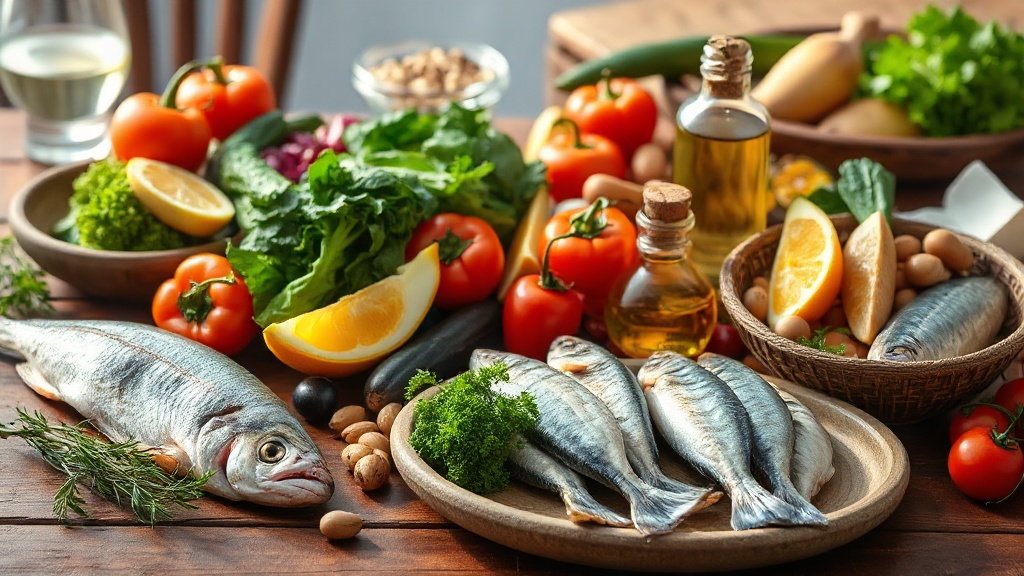
- A mostly plant based diet, rich in legumes, vegetables and whole grains, with little meat;
- Natural physical activity built into daily life (walking, gardening) rather than gym workouts;
- A sense of purpose: the “ikigai” in Okinawa, a reason to get up every morning;
- Strong social ties and an active family life well into old age;
- Stress management through rest, prayer or napping.
What the Science Really Says About Blue Zones
The lessons from the blue zones align with official recommendations. The World Health Organization notes that a diet rich in plants and low in ultra processed foods lowers the risk of chronic disease, the main obstacle to a long life.
Research backs the weight of lifestyle: see the work on blue zones and longevity and on plant based diets and mortality. The conclusion converges: genetics accounts for only about 20 to 30% of longevity, the rest depends on environment and habits.
In Practice: Putting These Lessons to Work
You do not need to move to Okinawa to benefit from these lessons. These principles pair well with the fundamentals covered in our 9 proven longevity strategies and our guide to anti aging nutrition. To go further, explore our full Longevity hub.
Protocol: Adopting This Lifestyle
- Fill three quarters of your plate with plants: vegetables, legumes, fruit, whole grains.
- Eat until about 80% full, following the Okinawan principle of “hara hachi bu”.
- Move naturally every day: walking, stairs, gardening.
- Nurture your social ties and surround yourself with people who have healthy habits.
- Give your days meaning and build in regular rest.
To get concrete longevity tips every week, subscribe to our newsletter.
Beyond Diet: The Role of Social Connection
While food often gets the attention, the most underrated factor is probably the social fabric. In Okinawa, “moai” are groups of friends who support each other for life. In Sardinia, respect for elders and their integration into family life keeps them active and valued. These networks reduce chronic stress, isolation and depression, three factors known to harm cardiovascular and brain health.
Modern science confirms that the quality of human relationships predicts longevity as strongly as some biological markers. Keeping deep friendships, engaging with your community or sharing regular family meals are habits within everyone’s reach that echo what makes these communities so effective.
The Limits of the Concept
This model is not a magic formula. Some researchers point out that the quality of historical civil records can introduce bias into centenarian counts, and that these populations benefit from a preserved environment and limited access to industrial food. Reproducing this lifestyle exactly in a big city remains a challenge. Still, the broad direction, more plants, more movement, more connection and less stress, rests on solid scientific consensus.
Eating Like a Centenarian, Meal by Meal
Looking at a typical day in these regions, a pattern emerges. Breakfast and lunch are the heartiest meals, while dinner is light and eaten early, several hours before bedtime. Portions are modest, and people stop before feeling completely full. Meat, when eaten, plays a side role rather than being the main dish: about once or twice a week, in small amounts.
Legumes, beans, lentils, chickpeas, fava beans, form the true cornerstone of the diet. Rich in fiber, plant protein and micronutrients, they are eaten almost daily. Whole grains, an abundance of seasonal vegetables, fruit, nuts, and, depending on the region, a little olive oil, red wine or green tea round out the picture. Ultra processed products and added sugars are nearly absent.
The Power 9: The Nine Shared Habits
Researchers have distilled the common threads of these communities into nine life principles:
- Move naturally without structured, intense exercise;
- Have a clear purpose (the Japanese “ikigai” or the Costa Rican “plan de vida”);
- Slow down and defuse stress through daily rituals;
- Eat until only about 80% full;
- Favor plants, legumes above all;
- Drink wine in moderation, usually with meals and among friends;
- Belong to a community or faith group;
- Put family first;
- Surround yourself with people who share healthy habits.
None of these principles is dramatic on its own. It is their accumulation, day after day and over decades, that produces the remarkable effect seen in these regions.
How to Build This Lifestyle at Home
You cannot choose where you are born, but you can shape your everyday environment to nudge yourself, naturally, toward the right choices. That is the core idea: rather than relying on willpower alone, you design your life to make healthy behavior easier than unhealthy behavior. Keeping processed food out of sight, leaving a fruit bowl on the table, choosing the stairs, walking for short trips, eating a light, early dinner: small decisions that, added together, recreate that spirit at home.
The social side matters just as much. Scheduling regular meals with family or friends, joining a club, an association or a walking group, cultivating deep relationships: these bonds support longevity as much as diet does. For more on this, our mental wellbeing guide covers concrete tools for stress management and social connection.
Myths and Realities About Centenarians
The fascination with centenarians comes with a few misconceptions. No, these populations do not owe their longevity to a miracle superfood or a secret supplement: what matters is the overall coherence of the lifestyle. Genetics does not explain everything either, twin studies put its contribution at only 20 to 30%. And when someone from one of these regions moves to a Western urban environment, their life expectancy tends to drift toward the local average, evidence of how much the environment matters.
One certainty remains: the core principles of this lifestyle, plant based food, gentle and consistent activity, purpose, social connection, managed stress, line up exactly with what longevity research validates elsewhere. That is why they are worth drawing on, without turning them into a cult of the number.
The Early, Light Dinner: A Shared Marker
One detail shows up in every one of these regions: the last meal of the day is modest and eaten early, often in the late afternoon or early evening. This habit gives the body several hours of overnight fasting before bed, which supports complete digestion, stable blood sugar overnight and better sleep quality. Our late, heavy dinners run counter to this wisdom. Moving your evening meal earlier and making it lighter is one of the simplest, and most powerful, habits to borrow from centenarians.
Wine, Coffee and Pleasure: Conviviality First
Unlike restrictive diets, this lifestyle leaves plenty of room for pleasure and sharing. In several of these regions, a glass of red wine accompanies meals, always in moderation and good company. Coffee and tea, rich in polyphenols, are also common. What matters is not so much any single food but the context: meals eaten slowly, with others, in good spirits. This social dimension of eating, often overlooked, plays a real part in the health benefits seen in these regions.
Frequently Asked Questions
What are the five identified blue zones?
Okinawa in Japan, Sardinia in Italy, Ikaria in Greece, the Nicoya Peninsula in Costa Rica and Loma Linda in California. These regions show an exceptional concentration of healthy centenarians.
Do you have to become vegetarian to live like people in these regions?
No. The diet there is mostly plant based but not strictly vegetarian. Meat is eaten occasionally, in small amounts. The key is cutting back on ultra processed foods and increasing vegetables and legumes.
Is blue zones longevity mainly genetic?
No. Studies estimate that genetics accounts for only 20 to 30% of longevity. Lifestyle, diet, activity, social ties, stress management, plays the larger role and remains within our control.
Can these principles work in a city?
Yes. You can adopt the key habits: cooking at home, walking more, nurturing relationships and giving your days meaning. These everyday choices matter the most.
Medical disclaimer. The information provided here is for informational purposes only and does not constitute medical advice. It does not replace a consultation. Ask a healthcare professional before changing your diet, taking dietary supplements or starting a new practice, especially if you have a medical condition, are pregnant or are under treatment. Dietary supplements do not replace a balanced diet or medical follow-up.