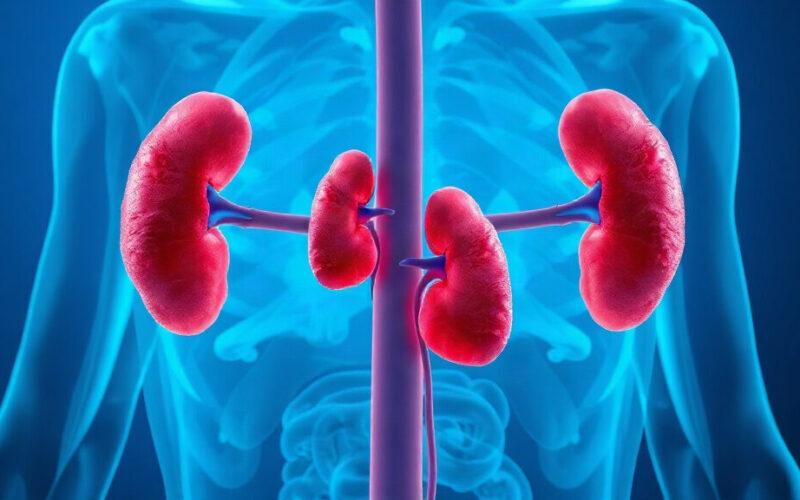
Chronic inflammation, also called inflammaging, is a fire that smolders silently in the body and speeds up the aging of our cells. Unlike acute inflammation, which is useful and short lived, this low grade inflammation builds up over months or even years without an obvious symptom. It is now considered one of the main drivers of age related disease. This article breaks down its mechanisms, its warning signs and proven ways to reduce it for good.
In brief – Chronic inflammation, or inflammaging, is a persistent, low intensity activation of the immune system that develops silently with age and drives cardiovascular disease, type 2 diabetes, neurodegenerative disorders and muscle frailty. It stems from cellular senescence, oxidative stress, gut dysbiosis, visceral fat and declining autophagy, and is measured through blood markers such as high sensitivity C-reactive protein (hs-CRP), IL-6 and TNF-alpha. The good news is that it responds well to lifestyle changes: an anti-inflammatory diet, regular movement, quality sleep, stress management and less visceral fat can lower inflammatory markers within weeks and protect long term health.
What is chronic inflammation?
Inflammation starts out as a normal defense response: faced with an injury or infection, the body mobilizes its immune cells, then switches the process off once the threat is gone. This persistent, low intensity activation of the immune system, by contrast, never really stops. It is called “low grade inflammation” because it stays quiet, without obvious redness or pain, while it wears down tissue over time.
The term inflammaging (a blend of “inflammation” and “aging”) was coined by immunologist Claudio Franceschi to describe this chronic, age related inflammation. It progresses silently and sets the stage for many diseases: cardiovascular conditions, type 2 diabetes, neurodegenerative disorders and muscle frailty.
Inflammaging: the mechanisms behind inflammatory aging
Several biological processes sustain chronic inflammation and reinforce one another as we age:
- Cellular senescence: aged cells stop dividing but stay active and release an inflammatory cocktail (the SASP, or senescence associated secretory phenotype) that spreads to nearby tissue.
- Oxidative stress: an excess of free radicals damages cells and keeps inflammatory signals switched on.
- Gut dysbiosis: an imbalanced microbiome and a leaky gut lining let bacterial fragments through, which keeps feeding inflammation.
- Visceral fat: abdominal fat tissue behaves like an organ, secreting pro-inflammatory molecules called cytokines.
- Declining autophagy: cellular recycling slows with age, letting waste accumulate that fuels the inflammatory fire.
What the science says about inflammaging
Research has firmly established the link between inflammaging and aging. In a foundational paper, Claudio Franceschi and Judith Campisi describe inflammaging as a major risk factor for illness and death in older adults, noting that most age related diseases share an inflammatory origin (Franceschi & Campisi, 2014). A landmark review published in Nature Medicine confirms that chronic systemic inflammation contributes to the world’s leading causes of disability and death (Furman et al., 2019).
Biologically, this inflammation is measured through blood markers such as high sensitivity C-reactive protein (hs-CRP), interleukin-6 (IL-6) and TNF-alpha. According to the National Institute on Aging, persistent inflammation gradually damages blood and immune stem cells, a finding that opens concrete avenues for slowing aging.
Chronic inflammation and longevity
Inflammaging sits at the crossroads of the major aging mechanisms. It disrupts sirtuins, the enzymes that protect DNA, and throws off the balance between mTOR (the growth pathway) and AMPK (the repair and recycling pathway). High inflammation also speeds up the shortening of telomeres, the protective caps on our chromosomes whose wear reflects biological age.
Lowering inflammation therefore acts directly on healthspan, the number of years lived in good health. The longest lived populations, such as those in the Blue Zones, typically show low inflammation levels, sustained by their lifestyle and diet.
Recognizing low grade inflammation: 7 signs
Low grade inflammation is sneaky, but certain signals should raise a flag. Here are 7 signs commonly associated with low grade inflammation:
- Persistent, unexplained fatigue despite adequate sleep.
- Diffuse, recurring joint or muscle pain.
- Chronic digestive issues (bloating, irregular bowel habits).
- Abdominal weight gain that is hard to lose.
- Repeated infections or slow recovery.
- Skin problems (eczema, redness, slow healing).
- Low mood, “brain fog” or trouble concentrating.
These signs alone are not enough for a diagnosis. Blood work targeting blood markers such as high sensitivity CRP remains the most reliable way to confirm persistent inflammation.
Key inflammatory markers at a glance
Three blood markers are most often used to track chronic, low grade inflammation over time:
| Marker | What it reflects | Level of concern |
|---|---|---|
| High sensitivity CRP (hs-CRP) | General inflammatory activity | Above 3 mg/L outside acute infection |
| Interleukin-6 (IL-6) | Cytokine driving the inflammatory cascade | Persistently elevated |
| TNF-alpha | Immune signaling linked to tissue damage | Persistently elevated |
Lowering inflammation: practical advice
The good news: low grade inflammation is largely modifiable through lifestyle. Here is a simple protocol, backed by scientific data:
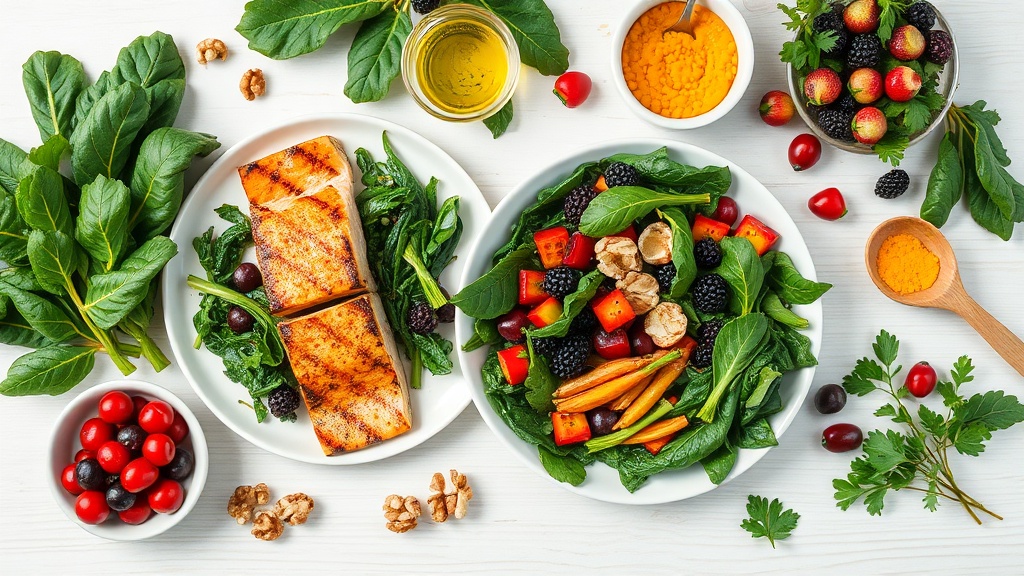
- Adopt an anti-inflammatory diet: favor colorful plants, fiber, olive oil and omega-3s, while limiting ultra-processed foods and fast acting sugars.
- Move regularly: moderate physical activity durably lowers inflammatory markers.
- Care for your gut microbiome: fiber, fermented foods and dietary diversity strengthen the gut barrier and limit inflammation linked to gut health.
- Get enough sleep: restorative sleep regulates inflammatory cytokines, while sleep deprivation drives them up.
- Manage chronic stress: heart rate coherence breathing, meditation and slow breathing lower cortisol, which fuels inflammation.
- Reduce visceral fat: losing waist circumference mechanically lowers the production of pro-inflammatory molecules.
Frequently asked questions
How do you measure chronic inflammation?
The most commonly used marker is high sensitivity C-reactive protein (hs-CRP), measured with a simple blood test. A level persistently above 3 mg/L, outside of any acute infection, points to low grade chronic inflammation. IL-6 and TNF-alpha can round out the assessment.
Which foods make inflammation worse?
Ultra-processed foods, fast acting sugars, excess red meat and processed meat, trans fats and too much alcohol all promote this kind of inflammation. Vegetables, fruit, fatty fish and spices such as turmeric, on the other hand, have a calming effect.
Can this type of inflammation be reversed?
For the most part, yes. Inflammatory markers respond quickly to lifestyle changes: a few weeks of an anti-inflammatory diet, regular exercise and better sleep are often enough to bring them down. If an underlying condition is present, medical follow up remains essential.
Are inflammaging and chronic inflammation the same thing?
Inflammaging specifically refers to the low grade chronic inflammation that sets in with age. It is a particular form of chronic inflammation, closely tied to biological aging and longevity.
Medical disclaimer. The information provided here is for informational purposes only and does not constitute medical advice. It does not replace a consultation. Ask a healthcare professional before changing your diet, taking dietary supplements or starting a new practice, especially if you have a medical condition, are pregnant or are under treatment. Dietary supplements do not replace a balanced diet or medical follow-up.