Zinc benefits for immunity, wound healing and protein synthesis rank among the most studied of any trace element. An estimated 17% of the world’s population has inadequate zinc intake, a figure that explains the ongoing interest in this mineral for prevention and occasional supplementation alike. Below is a review of the benefits confirmed by research, reference doses and the precautions to know before supplementing.
In brief – Zinc benefits the immune system, wound healing and cell division as an essential trace element that the body can neither manufacture nor store, so regular intake through meat, seafood, legumes and seeds is necessary. It acts as a cofactor for more than 300 enzymes involved in immunity, tissue repair and DNA replication. Clinical trials show that supplementation started within 24 hours of the first cold symptoms shortens the illness by roughly a third. National nutrition guidelines in France set adequate zinc intake between 7 and 14 mg per day depending on sex and diet, with a safety limit of 25 mg per day, beyond which the risk of copper deficiency rises.
What Is Zinc? A Quick Definition
Zinc is a trace metal present in nearly every cell of the human body, with total body content estimated at 2 to 3 grams in adults. Unlike iron, the body keeps no mobilizable reserve of zinc: a shortfall in intake quickly lowers circulating levels. Muscle and bone hold most of it, but its enzymatic activity is what explains its biological importance.
Zinc acts both as a structural catalyst for proteins (the well known “zinc fingers” that stabilize DNA and RNA) and as a messenger that regulates immune cell signaling. This dual role makes it a central mineral for growth, wound healing and the response to infection.
How Zinc Works and Where to Find It
Intestinal absorption of zinc depends heavily on what else is in the meal: phytates found in whole grains and legumes form complexes that limit its uptake, which is why nutrition guidelines vary by diet type. Animal protein, by contrast, improves absorption.
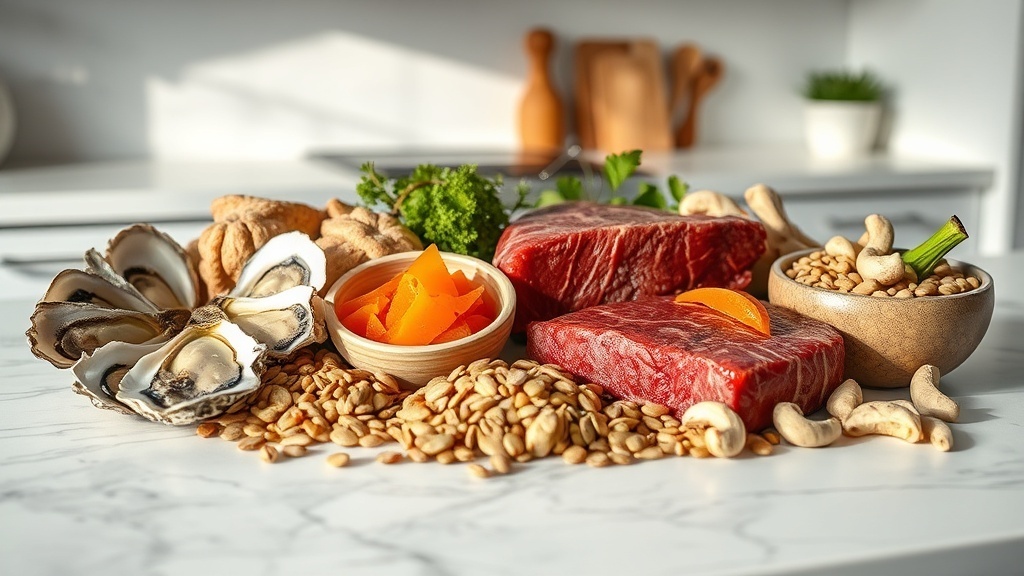
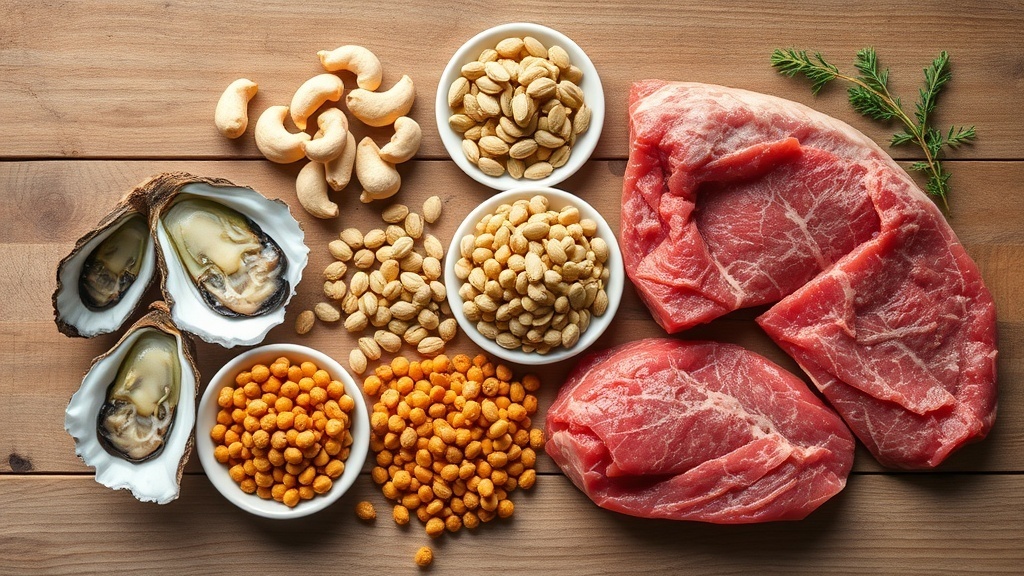
- Oysters: the most concentrated source, well above daily needs in a single average serving.
- Red meat and poultry: good bioavailability thanks to the absence of phytates.
- Legumes (lentils, chickpeas): decent content but lower absorption because of phytates.
- Pumpkin seeds and cashews: a concentrated plant source, useful for vegetarian diets.
- Dairy and eggs: a modest but steady contribution.
Vegetarians and vegans have theoretical zinc needs about 50% higher because of this lower bioavailability, a point that nutrition recommendations now take into account.
Zinc Benefits for Immunity: What the Research Shows
Zinc’s role in immunity rests on well documented mechanisms: it supports T-lymphocyte maturation and regulates inflammatory pathways, as detailed in a reference review published in Nutrients (Wessels et al., 2017). Even a moderate deficiency impairs the response to respiratory infections.
On the common cold specifically, a meta-analysis of seven randomized trials covering 575 participants found symptom duration cut by 33% in groups given zinc lozenges, with no significant difference between acetate and gluconate salts (Hemila, 2017). A more recent systematic review of 20 controlled trials put the average reduction at 2.25 days when zinc was given alone from the onset of symptoms, compared with no significant effect for vitamins A, D and E tested under the same conditions (Wang et al., 2020, n=20 trials).
These zinc benefits apply to treating a cold that has already started, not to continuous prevention: data on preventing infections in people who are not deficient remain more limited. The link between zinc status and immunity is well established, but it does not show that routine supplementation prevents infections in someone whose intake is already sufficient.
Choosing a Zinc Supplement: Forms and Uses
The form of zinc chosen mainly affects digestive tolerance and, for cold lozenges, how quickly it is released in the mouth. For everyday baseline intake, potassium and other minerals follow the same food-first logic before turning to a supplement; UltraSante’s Diet pillar page covers this plate-before-supplement hierarchy in more detail.
| Form | Bioavailability | Typical use | Digestive tolerance |
|---|---|---|---|
| Gluconate | Good | Cold lozenges, common supplements | Good |
| Acetate | Good, comparable to gluconate | Cold lozenges (the form used in clinical trials) | Good |
| Bisglycinate | High | Daily baseline supplementation | Very good, little stomach upset |
| Oxide | Low | Topical use (creams), poorly suited to oral use | Moderate orally |
| Picolinate | High | Daily baseline supplementation | Good |
People at higher risk of zinc deficiency include vegetarians, pregnant or breastfeeding women, older adults with a restricted diet, and those with chronic digestive disorders that affect intestinal absorption. Outside these situations, a varied diet generally covers needs without a supplement. To place this mineral within a broader approach to vitality, see also the article on selenium and immunity or the one on vitamin K2, two micronutrients that follow the same logic of targeted intake.
Zinc Benefits and Safe Dosage: A Practical Protocol
In France, national nutrition guidelines set adequate zinc intake between 7 and 14 mg per day for adults, depending on sex and the phytate content of the diet, with a safety limit of 25 mg per day. The NIH Office of Dietary Supplements lists comparable reference intakes and the same safety considerations for zinc.
- Favor food first; reserve supplementation for a confirmed shortfall or an active cold.
- For a cold, start within the first 24 hours of symptoms, at a dose close to that used in clinical trials (around 80 mg per day split across lozenges), for a short course of a few days.
- Avoid taking it on a completely empty stomach if nausea appears; a small amount of food alongside it eases digestive discomfort.
- Do not exceed 25 mg per day for extended use without medical advice, since chronic excess disrupts copper absorption.
- Space zinc doses apart from iron or calcium supplements, which compete for intestinal absorption.
Prolonged excess zinc, at doses of 100 to 300 mg per day well above the guidelines, causes secondary copper deficiency with anemia and neutropenia, along with a worsened lipid profile (Fosmire, 1990). Even at more moderate but chronic doses, monitoring copper status is recommended during prolonged supplementation.
Frequently Asked Questions About Zinc
Does Zinc Really Support Immunity?
Zinc benefits immune function by supporting T-cell maturation and regulating inflammatory pathways. A deficiency weakens the immune response to respiratory infections. In someone whose intake is already adequate, extra supplementation shows no proven immune benefit beyond treating an active cold early.
How Long Should You Take Zinc for a Cold?
Clinical trials test short courses, generally 5 to 10 days at most, started at the first symptoms. A meta-analysis reports an average 33% reduction in symptom duration with this protocol. Continuing beyond that window is not supported by the available data.
What Is the Difference Between Zinc Gluconate and Bisglycinate?
Zinc gluconate is the form most used in clinical trials on the common cold, with decent bioavailability. Bisglycinate offers better digestive tolerance and higher absorption, which makes it preferable for daily baseline supplementation rather than occasional use in lozenges.
Can You Take Too Much Zinc?
Yes. Beyond the safety limit of 25 mg per day, the risk of copper deficiency rises, with possible consequences for immunity and lipid levels. Doses of 100 mg per day or more, taken over time, have been linked to anemia and neutropenia caused by the resulting copper deficiency.
What Are the Signs of Zinc Deficiency?
Suggestive signs include slow wound healing, a reduced sense of taste or smell, hair loss, recurrent infections and skin lesions. These signs are not specific enough on their own to confirm a diagnosis; a blood test and medical advice remain necessary to confirm it.
Medical disclaimer. The information provided here is for informational purposes only and does not constitute medical advice. It does not replace a consultation. Ask a healthcare professional before changing your diet, taking dietary supplements or starting a new practice, especially if you have a medical condition, are pregnant or are under treatment. Dietary supplements do not replace a balanced diet or medical follow-up.