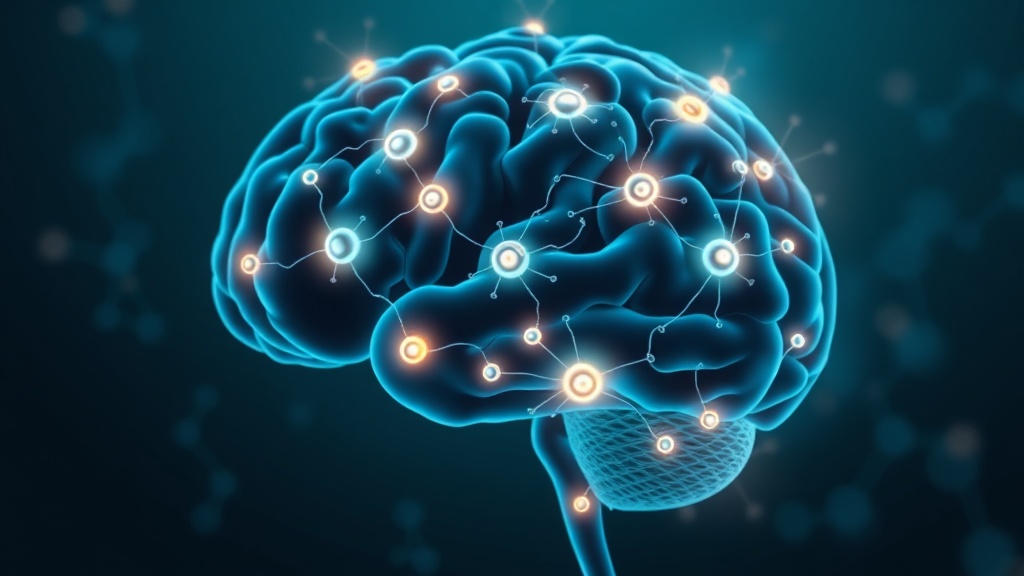
You can increase BDNF naturally through specific, well studied daily habits, and doing so is one of the most direct levers you have over long term brain health. BDNF (Brain-Derived Neurotrophic Factor) is one of the most fascinating molecules in modern neuroscience. Often nicknamed “fertilizer for the brain,” this key factor supports the growth, survival and connection of neurons throughout life. Understanding this mechanism means grasping one of the major levers of cognitive health, mood and brain longevity.
In brief – BDNF (Brain-Derived Neurotrophic Factor) is a protein that supports the growth, survival and connections of brain cells, and you can increase BDNF naturally through specific daily habits. Produced mainly in the hippocampus and cortex, it binds to the TrkB receptor and drives neuroplasticity, the brain’s ability to build and strengthen connections. Research links higher circulating levels to a larger hippocampal volume and sharper memory after aerobic exercise, while chronically low levels are regularly observed in depression, Alzheimer’s disease and Parkinson’s disease. Aerobic exercise is the most robust natural stimulant, and intermittent fasting, deep sleep, omega-3s, polyphenols, daylight exposure and mental novelty all contribute measurable gains. Chronic stress, refined sugar, social isolation and a sedentary lifestyle push levels the other way.
What is BDNF?
BDNF belongs to the neurotrophin family, alongside NGF (Nerve Growth Factor), NT-3 and NT-4. These signaling proteins orchestrate the development and maintenance of the nervous system. Encoded by a gene located on chromosome 11, BDNF is synthesized and released by neurons, mainly in the hippocampus (the brain’s memory center) and the cerebral cortex.
Once released, this neurotrophic factor binds to its high affinity receptor, TrkB. This binding triggers a cascade of signals that promote neuronal survival and strengthen synapses. A common genetic variant, known as Val66Met, also modulates how much BDNF is released in response to activity, and partly explains individual differences in memory and stress reactivity.
How BDNF works in the brain
The central role of this protein is to support neuroplasticity: the brain’s capacity to remodel itself by creating and reinforcing connections. In practice, BDNF acts on several fronts:
- Neuronal survival: it protects existing neurons against degeneration and oxidative stress.
- Neurogenesis: it promotes the birth of new neurons in the adult hippocampus.
- Synaptic plasticity: it strengthens long term potentiation (LTP), the cellular mechanism behind learning and memory.
- Mood regulation: it acts on serotonergic circuits involved in emotional balance.
- Energy metabolism: it helps control appetite and energy expenditure in the hypothalamus.
A high level is associated with a brain that is more adaptable, more resilient and better performing. A chronic deficit, on the other hand, compromises these essential functions.
The science behind ways to increase BDNF naturally
Research shows a solid link between this factor and brain health. Meta-analyses of the scientific literature show that aerobic exercise significantly raises circulating levels of this factor, with a measurable improvement in memory and hippocampal volume in adults (PubMed data).
On the metabolic side, work on caloric restriction and intermittent fasting indicates that ketone bodies, notably beta-hydroxybutyrate, stimulate BDNF expression in the brain (PubMed data). Conversely, low levels are regularly observed in depression, Alzheimer’s disease and Parkinson’s disease. This is one reason antidepressants, which raise this factor, take several weeks to work: the time needed to rebuild brain plasticity. MedlinePlus notes that neuroplasticity plays a role in these disorders, and its depression overview covers the main mechanisms and treatment options.

BDNF and everyday health: why it matters
Beyond the laboratory, this factor shapes very concrete parts of daily life: memory quality, learning capacity, mood stability and resistance to stress. Maintaining a good level of this factor is an investment in a brain that ages better.
Practices that support mental balance work partly through this pathway. Meditation, for example, is among the levers that have been studied: see our proven benefits of mindfulness meditation and our everyday mental wellbeing strategies. On the physical side, better cardiorespiratory fitness is closely tied to the production of this factor. The World Health Organization’s physical activity guidance outlines the levels that support this kind of benefit, and our guide to improving your VO2 max details the most effective protocols.
8 proven methods to increase BDNF naturally
Here are the most well documented levers for naturally boosting production of this neurotrophic factor:
- 1. Aerobic exercise: running, cycling, swimming or brisk walking. This is the most robust stimulant of this factor, through the release of lactate and irisin by working muscles.
- 2. Strength training and high intensity intervals: resistance work and HIIT complement endurance training and support brain plasticity.
- 3. Intermittent fasting: periods without caloric intake raise the ketone bodies that stimulate it.
- 4. Quality deep sleep: it is during slow wave sleep that the brain consolidates its circuits and restores this factor.
- 5. Omega-3s (DHA): found in fatty fish, they are direct building blocks of neuronal membranes and support BDNF signaling.
- 6. Polyphenols: curcumin, cocoa flavonoids, green tea catechins and resveratrol promote the expression of this factor.
- 7. Exposure to natural light: daylight and adequate vitamin D status contribute to BDNF regulation.
- 8. Learning and novelty: learning a language or an instrument, or simply varying your routines, engages neuroplasticity and maintains BDNF.
Conversely, chronic stress, excess refined sugar, social isolation and a sedentary lifestyle all lower this factor. Reducing these factors matters as much as adding positive stimuli.
BDNF-boosting habits at a glance
| Habit | How it helps | Evidence level |
|---|---|---|
| Aerobic exercise | Lactate and irisin release from working muscles | Strong |
| Deep sleep | Consolidates circuits and restores BDNF overnight | Strong |
| Intermittent fasting | Ketone bodies stimulate BDNF expression | Moderate |
| Omega-3s and polyphenols | Support neuronal membranes and gene expression | Moderate |
| Daylight exposure and novelty | Vitamin D status and cognitive engagement | Emerging |
Frequently asked questions about BDNF
How can I tell if my BDNF level is low?
There is no specific symptom. Declining memory, trouble concentrating, low mood or heightened sensitivity to stress can accompany a low level, especially with prolonged inactivity.
Can BDNF be measured with a blood test?
Circulating BDNF in blood or plasma can be measured, but this test is mostly used in research. It reflects brain levels imperfectly and is not a routine test in everyday clinical practice.
Are there supplements that increase BDNF?
Compounds such as omega-3s, curcumin and green tea polyphenols are being studied for a supportive effect. No supplement replaces regular exercise, which remains the strongest and best documented way to increase BDNF naturally.
How quickly does exercise raise BDNF?
A single aerobic session already raises BDNF transiently within minutes. For a lasting increase in baseline levels, expect several weeks of regular training, ideally three to five sessions a week.
Does BDNF play a role in depression?
Yes. Low BDNF levels are frequently associated with depressive states, and restoring this factor is one of the mechanisms through which physical activity and certain treatments improve mood.
Medical disclaimer. The information provided here is for informational purposes only and does not constitute medical advice. It does not replace a consultation. Ask a healthcare professional before changing your diet, taking dietary supplements or starting a new practice, especially if you have a medical condition, are pregnant or are under treatment. Dietary supplements do not replace a balanced diet or medical follow-up.