Heatwave and aging intersect in a dangerous way: for a body that is growing older, a spell of extreme heat is never just uncomfortable, it is a genuine physiological ordeal. Sweating becomes less efficient, the sense of thirst grows blunted, and the heart and kidneys work harder as the body loses part of its capacity to release heat with age. The June 2026 heatwave, which caused more than 2,000 additional deaths in a single week in France, was a grim reminder of this. Understanding why extreme heat threatens longevity, and how to guard against it, has become a major public health issue.
In brief – A heatwave is a prolonged spell of intense heat, day and night, that strains an aging body through weaker sweating, a blunted sense of thirst, and extra work for the heart and kidneys. Heatwave and aging combine in a dangerous way: people aged 65 and older account for more than 80% of deaths recorded during severe heat episodes, and the June 2026 heatwave caused more than 2,000 additional deaths in a single week in France. Physiology research confirms that thermoregulation weakens with age, sweating declines and cardiovascular responses slow. Six simple habits, regular fluids, a cooled home, wetting the skin, avoiding exertion during peak hours, lighter meals and checking on isolated relatives, meaningfully lower the risk. Heat stroke is a medical emergency that calls for immediate care.
Heatwave and Aging: What Does It Mean?
A heatwave is a prolonged spell of intense heat, day and night, generally defined by temperature thresholds reached for at least three consecutive days. What makes it dangerous is not only the peak temperature but its duration: at night, the body can no longer recover.
It is precisely this prolonged exposure that weighs on longevity. People aged 65 and older account for more than 80% of the deaths recorded during severe heat episodes. A heatwave acts as both a revealer and an accelerator of fragilities that are already present.
Why an Aging Body Struggles With Heat
With age, several thermoregulation mechanisms weaken. For the same heat load, a person over age 50 stores more heat than a younger adult. The main factors are:
- Reduced sweating: sweat glands become less responsive, reducing the evaporation that cools the body.
- Lower skin vasodilation: the skin releases heat outward less effectively.
- Blunted thirst: the sensation of thirst fades with age, delaying fluid intake just when needs are rising.
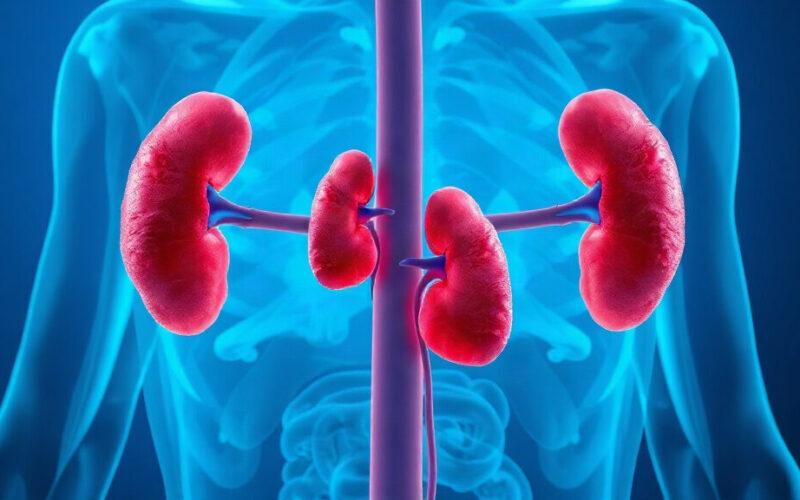
- Heart and kidneys under strain: maintaining body temperature places a cardiovascular load and raises the risk of dehydration and electrolyte imbalance.
- Medications and chronic conditions: certain treatments (diuretics, some psychiatric medications) and chronic diseases further impair regulation.
The result: during a heatwave, an older body’s thermal safety margin shrinks sharply, sometimes without any perceived warning sign.
What the Science Shows
Physiology research confirms that aging impairs thermal regulation: sweating declines, cardiovascular responses weaken and heat tolerance drops (Kenney, Journal of Applied Physiology, 2003, PMID 14600165). These deficits explain why heat related illness and death strike older adults first (Kenney, Sports Medicine, 1987, PMID 3324259).
On the epidemiological side, France’s public health agency, Santé publique France, estimates that heat accounts for 7 to 12% of deaths each year during heatwaves, with excess mortality concentrated among people over 75 (for warning signs and first aid, see the NHS guide to heat exhaustion and heatstroke). During the June 2026 episode, deaths at home rose by about 90%, underscoring how central isolation is to the risk faced by frail people.
| Indicator | Figure | What it means |
|---|---|---|
| Deaths among people 65 and older | More than 80% of heatwave deaths | Age is the strongest risk factor |
| Heat attributable mortality | 7 to 12% of deaths during heatwaves | Concentrated among adults over 75 |
| Home deaths, June 2026 heatwave | Up by about 90% | Isolation is a central risk factor |
| Recommended daily fluid intake | About 1.5 to 2 liters (50 to 68 fl oz) | Spread through the day, do not wait for thirst |
| Fan effectiveness limit | About 35°C (95°F) | Above this, a fan alone can worsen dehydration |
Chosen Heat or Endured Heat: An Important Difference
Not all heat exposure carries the same risk. A brief, controlled and voluntary session, such as time in a sauna, can trigger beneficial adaptations (hormesis) and has been linked to favorable effects on cardiovascular health.
A heatwave is the opposite: heat that is endured, prolonged, with no chance to recover and often combined with dehydration. The stress stops acting as a training signal and instead becomes an overload that drains the body’s reserves. Dose and control make all the difference.
Heatwave and Aging: A Stress That Speeds Up the Aging Process
Each episode of intense heat imposes cumulative stress, particularly among people with chronic diseases. A prolonged rise in body temperature increases cardiovascular vulnerability, promotes fluid and electrolyte imbalances, and worsens existing respiratory or kidney conditions.
For longevity, heatwave and aging interact on two levels: an acute risk (heat stroke, decompensation) and a background wear that erodes functional reserves. Shielding the body from extreme heat, like protecting deep sleep or limiting chronic inflammation, is one of the levers for aging well.
6 Habits to Protect Yourself During a Heatwave
The good news: simple habits meaningfully lower the risk. Here are six habits to adopt as soon as a heat warning is issued:
- Drink regularly without waiting to feel thirsty: the body loses water continuously, even at rest (see insensible perspiration).
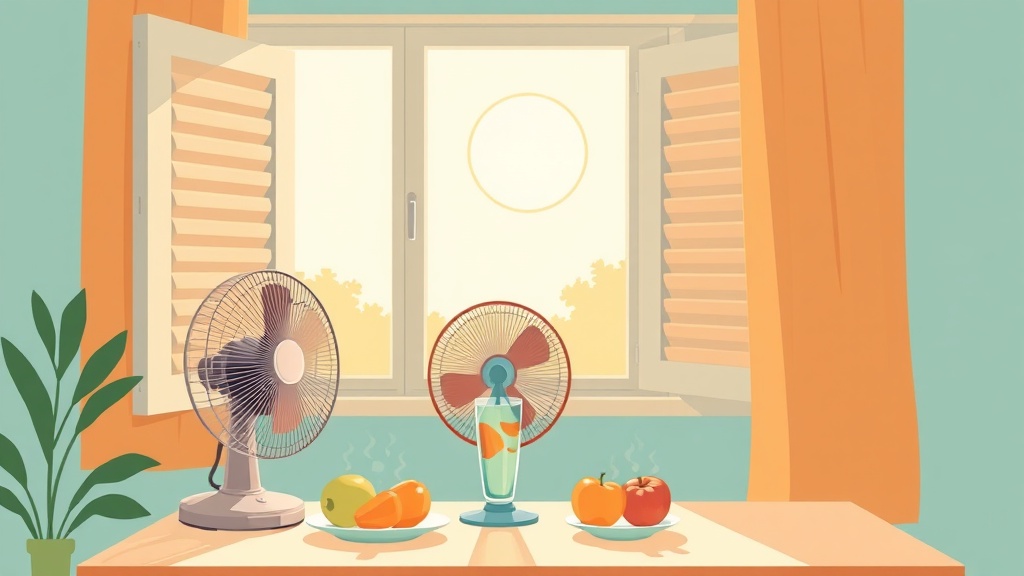
- Cool down your home: close shutters and windows during the day, air the rooms out at night, and retreat to the coolest room.
- Wet your skin several times a day (a misting spray, a damp cloth, a lukewarm shower) to help evaporation.
- Avoid exertion and sun exposure during the hottest hours, between 11 a.m. and 9 p.m.
- Adjust meals and alcohol: favor water rich fruits and vegetables, and limit alcohol, which dehydrates.
- Stay in touch: check on older or isolated relatives and neighbors every day.
Frequently Asked Questions About Heatwave and Aging
At what age does a heatwave become more dangerous?
The risk rises sharply after age 65, and even more after 75, because thermoregulation and the sensation of thirst weaken. But extreme heat can affect people of any age, especially during exertion or illness.
How much should you drink during a heatwave?
Generally around 1.5 to 2 liters (50 to 68 fl oz) of water a day, spread out rather than saved for when you feel thirsty. If you have heart or kidney disease, ask your doctor, since your needs may be different.
Is a fan enough when it is very hot?
Above about 35°C (95°F), a fan just circulates hot air and can worsen dehydration. It works better combined with wetting the skin and finding a cool place.
Can a heatwave have lasting effects on health?
Yes, especially in frail people: a heatwave can destabilize a chronic disease and leave prolonged fatigue behind. This is why prevention and medical follow up matter.
Medical disclaimer. This article is provided for informational purposes only and does not replace medical advice. During a heatwave, older adults, isolated individuals, people with chronic illness, pregnant women and very young children are especially at risk: at the first sign of doubt or of heat stroke, contact a healthcare professional or call emergency services (911 in the US, 999 in the UK, 112 across the EU) right away.