Every day, without you feeling it, your body releases water through your skin and lungs. This is insensible perspiration, one of the quietest and most underrated mechanisms in human physiology. It was while reviewing the naturopath Yves Rasir’s writing on the topic that we decided to trace this phenomenon back to its scientific roots. Far from a minor detail, this constant evaporation touches on skin health, thermoregulation and, more broadly, the art of aging well.
In brief – Insensible perspiration is the continuous, unnoticed loss of water through the skin and lungs, separate from visible sweat. In a resting adult, total insensible losses, skin and respiratory combined, are generally estimated between 400 and 800 milliliters (about 14 to 27 fluid ounces) a day. First measured systematically by the Italian physician Sanctorius in the 17th century, it is now recognized in dermatology as a marker of skin barrier integrity, assessed with a device called an evaporimeter. Activities that engage sweating, such as exercise or heat exposure, are linked to cardiovascular benefits in research on regular sauna use. Far from a flaw to correct, it reflects a well-functioning skin barrier and an efficient thermoregulation system, two markers relevant to healthy aging.
What is insensible perspiration?
Insensible perspiration refers to water loss that happens outside of any visible sweating. Unlike sweat that beads on the forehead during a heat wave, it cannot be seen, felt or noticed as moisture. Yet it is far from negligible: in a resting adult, total insensible losses, skin and respiratory combined, are generally estimated between 400 and 800 milliliters (roughly 14 to 27 fluid ounces) per day.
This evaporation follows two routes. The first passes through the skin, independent of the sweat glands. The second passes through the lungs: with every exhale, the air released carries water vapor, a phenomenon easy to observe by breathing on a cold window. Together, these two routes contribute to the body’s overall water balance.
How does perspiration work?
Behind this silent mechanism lie several essential functions:
- Thermal regulation: water evaporating from the body’s surface releases heat and helps keep internal temperature stable.
- Maintaining the skin barrier: healthy skin naturally limits water leakage, a sign of an intact protective barrier.
- Water balance: insensible perspiration accounts, by some estimates, for a notable share of daily water losses, alongside urine and stool.
- Respiratory exchange: pulmonary perspiration accompanies breathing and varies with exercise, altitude or dry air.
In dermatology, this water leakage is measured precisely with a device called an evaporimeter. On healthy skin, values typically range between 5 and 15 grams per square meter per hour. When the skin barrier is compromised, for example in eczema or psoriasis, these values can climb much higher, reflecting skin that has become more permeable.
| Measure | Typical range |
|---|---|
| Total insensible water loss (resting adult, skin and lungs) | 400 to 800 mL per day (about 14 to 27 fl oz) |
| Transepidermal water loss, healthy skin (evaporimeter) | 5 to 15 g per square meter per hour |
| Transepidermal water loss, impaired skin barrier (eczema, psoriasis) | Well above 15 g per square meter per hour |
Static medicine: a very old insight
The existence of insensible perspiration is not a recent discovery. As far back as antiquity, physicians noticed that a body weighed before and after a period of rest lost weight without producing urine, stool or visible sweat.
In the 17th century, the Italian physician Santorio Santorio, known as Sanctorius, formalized these observations with unprecedented rigor. For years, he systematically weighed his food, his drinks and his own body using a scale of his own design. His measurements led him to a striking conclusion for the time: a substantial part of what we ingest leaves the body in a completely imperceptible way. This approach, remembered as “static medicine,” makes Sanctorius a pioneer of measurement in physiology.
What the science says
Modern research has confirmed and refined these early insights. Insensible water loss through the skin, known as transepidermal water loss, is now a recognized marker of skin barrier integrity, widely studied in dermatology (PubMed data).
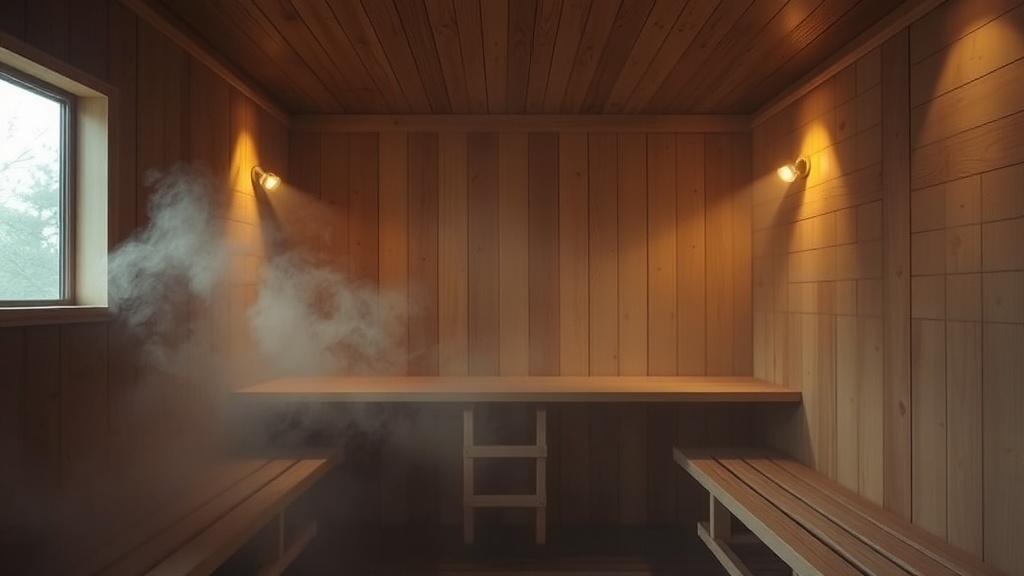
In addition, mechanisms that engage sweating, such as exercise or heat exposure, are linked to health benefits. Finnish studies on regular sauna use, for instance, report an association with better cardiovascular health and reduced mortality (PubMed data). The skin, the body’s largest organ, sits at the center of these balances, as noted on the National Institute on Aging’s skin and aging resource page.
Insensible perspiration and longevity
Why does this topic matter to people focused on healthy aging? Because insensible perspiration reflects the proper functioning of two systems central to longevity: healthy skin and efficient thermoregulation. A strong skin barrier protects against dehydration and outside aggressors, while a good capacity to regulate body temperature is a marker of physiological resilience.
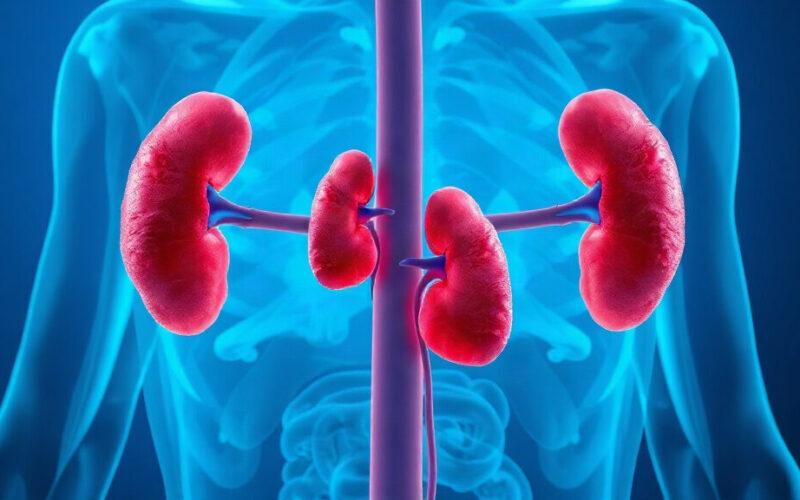
In the naturopathic tradition championed by Yves Rasir, the skin is seen as an “emunctory,” an elimination organ on par with the liver, kidneys, intestines and lungs. This view, which encourages supporting the body’s self-cleansing capacities, offers an interesting perspective, though it needs nuance: scientifically, detoxification is handled primarily by the liver and kidneys, and sweat mainly removes water and electrolytes rather than “toxins.” What remains beyond dispute, however, is the value of staying active and challenging the body. Maintaining your cardiorespiratory fitness and drawing inspiration from the active lifestyles observed in Blue Zones naturally support these balances, much like the movement habits highlighted on the Altered Intercellular Communication pillar page.
In practice: supporting your perspiration
A few simple habits help preserve this mechanism and skin health:
- Move regularly: physical activity stimulates circulation, sweating and thermoregulation.
- Care for your skin barrier: well-hydrated, protected skin limits excessive water leakage.
- Explore heat with caution: sauna or hot baths can bring benefits, provided you listen to your body and stay well hydrated.
- Breathe good-quality air: ventilating rooms and avoiding overly dry or polluted air supports the pulmonary route of perspiration.
- Stay well hydrated: replacing losses, visible or insensible, remains the basic rule.
Far from being a flaw to fix, insensible perspiration is a sign of proper function. Understanding it better means rediscovering the quiet intelligence of the human body.
Frequently asked questions
How much water do we lose through insensible perspiration?
In a resting adult, insensible losses are generally estimated between 400 and 800 milliliters (about 14 to 27 fluid ounces) a day, combining skin and lungs. This volume increases with heat, altitude, fever or physical exertion.
Are insensible perspiration and sweat the same thing?
No. Sweat is produced by the sweat glands and can be felt on the skin. Insensible perspiration is an invisible, odorless evaporation of water through the skin and exhaled air, without any involvement from the sweat glands.
Does sweating really eliminate toxins?
This is a common idea, but it needs nuance. Sweat is composed mainly of water and mineral salts. Detoxification of the body is handled primarily by the liver and kidneys, not the skin. Sweating nonetheless remains a sign of an active, well-regulated body.
Is sauna use good for longevity?
Studies, particularly from Finland, associate regular sauna use with better cardiovascular health. These benefits require a reasonable practice, good hydration and a doctor’s advice if you have a health condition.
Source that inspired this piece: the writing of naturopath Yves Rasir on perspiration. The analysis presented here relies on available scientific data and reflects UltraSante’s own interpretation.
Medical disclaimer. The information provided here is for informational purposes only and does not constitute medical advice. It does not replace a consultation. Ask a healthcare professional before changing your diet, taking dietary supplements or starting a new practice, especially if you have a medical condition, are pregnant or are under treatment. Dietary supplements do not replace a balanced diet or medical follow-up.