Could drinking enough water really slow aging? A large American study that followed adults for 25 years suggests a genuine link between hydration and longevity: people who stay well hydrated tend to show slower biological aging, fewer chronic diseases and a longer life expectancy. That puts an everyday habit, drinking a glass of water, in a new light. Here is what the science actually says about hydration and longevity, without overstating it.
In brief – Hydration and longevity are linked in a 25 year US study of more than 15,000 adults: participants with higher blood sodium, a sign of insufficient water intake, faced up to 50% higher odds of an accelerated biological age, a 39% higher risk of chronic disease and a 21% higher risk of premature death. Water supports blood circulation, kidney function, temperature control and brain performance, and thirst becomes a less reliable signal with age. These findings show an association, not proof that drinking more water alone extends life, and overhydration carries its own risks for the kidneys and blood sodium. A practical benchmark is about 1.5 to 2 liters (51 to 68 oz) of water a day, spread throughout the day, adjusted for heat, activity, fever or age.
Hydration: what are we talking about?
The human body is about 60% water. Hydration is the balance between the water we take in, through drinks and food, and the water we lose every day through urine, breathing, skin and stool. That daily loss adds up to roughly 2 to 2.5 liters (68 to 85 oz).
Water is essential to nearly every bodily function: blood circulation, temperature regulation, nutrient transport, waste removal. But one key signal fades with age: the sensation of thirst weakens, which leaves older adults exposed to a silent form of dehydration.
What the science shows
The most striking study followed more than 15,000 American adults, aged 45 to 66 at the start, for 25 years. Researchers used blood sodium level as a marker of hydration: the less a person drinks, the higher that level tends to climb. The result: above 142 mmol/L, the risk of having a biological age higher than actual age rose by up to 50%, the risk of developing a chronic disease by 39%, and the risk of dying prematurely by 21% (Dmitrieva et al., eBioMedicine, 2023).
The same team, working with the same cohort, showed that elevated sodium was also linked to a higher risk of heart failure (Dmitrieva et al., European Heart Journal, 2022). A consistent signal, though these remain statistical associations, not proof of cause and effect.
| Outcome | Increased risk |
|---|---|
| Biological age older than actual age | Up to 50% |
| Developing a chronic disease | 39% |
| Dying prematurely | 21% |
How hydration and longevity connect
Why would a simple water deficit affect longevity? Researchers point to several possible mechanisms:
- Cellular function: water is the medium for every biochemical reaction; blood that becomes too concentrated puts lasting stress on cells.
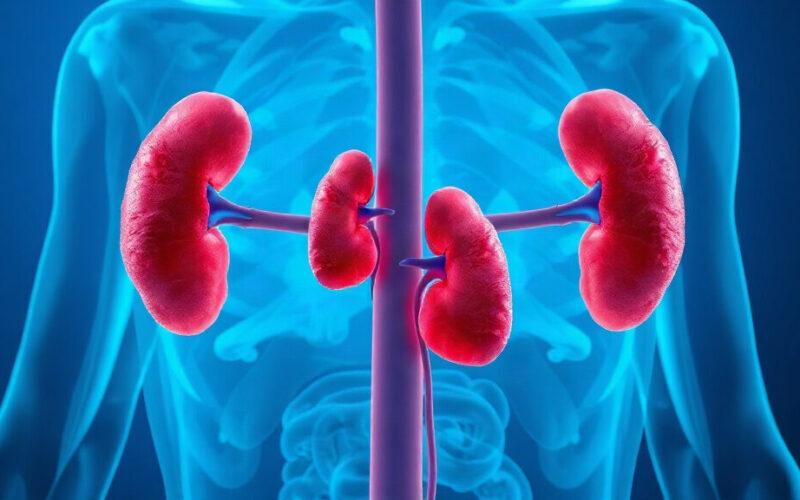
- Kidneys: a lack of water increases the kidneys’ workload and may speed the decline of kidney function.
- Cardiovascular system: dehydration thickens the blood and strains the heart, a factor linked to heart failure.
- Temperature regulation: water allows the body to release heat, a role that becomes crucial during a heat wave.
- Brain: even mild dehydration impairs concentration and mood.
Added up over decades, these effects could contribute to faster aging in the body’s organs.
Hydration and longevity: a marker, not a magic potion
A word of caution against overinterpreting this. These studies show an association: people who are less well hydrated tend to age less well, but elevated sodium can also reflect other underlying health problems. Drinking more, on its own, does not guarantee a longer life.
More is not always better, either. Drinking to excess is pointless, and can even be risky: the kidneys need rest, and overhydration can dangerously dilute blood sodium. The goal is not to drink as much as possible, but to stay properly hydrated, guided by how you feel and by reliable health markers.
How much water should you drink?
According to the European Food Safety Authority, adequate water intake guidance sits around 2 liters (68 oz) a day for women and 2.5 liters (85 oz) for men, counting both drinks and food (EFSA). In France, national nutrition guidelines use a simpler benchmark of about 1.5 liters (51 oz) of water a day, spread throughout the day, without waiting to feel thirsty. This reference point shifts with heat, physical activity, fever or age.
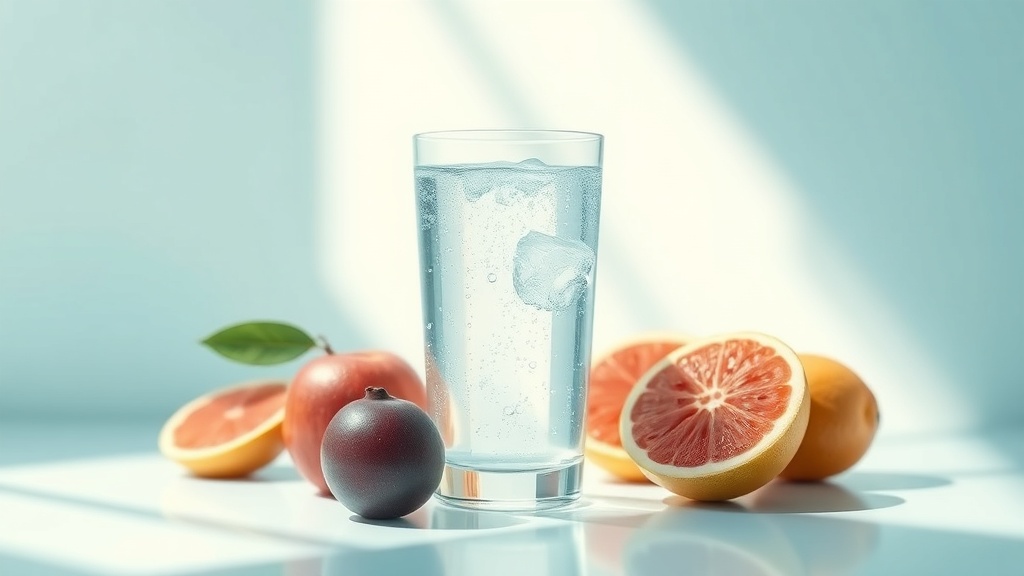
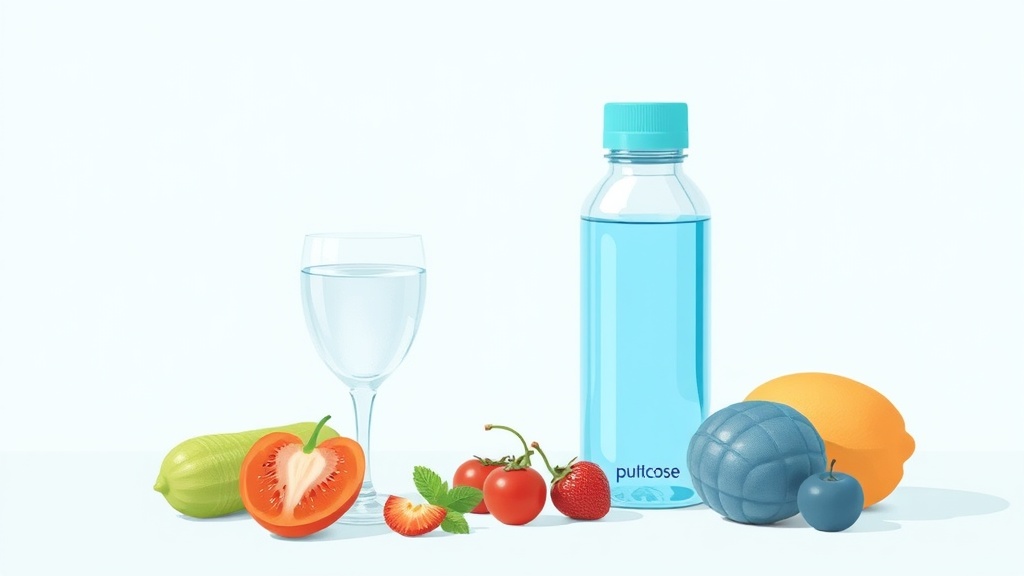
One more thing: hydration does not come from drinking water alone. Fruits, vegetables and dairy products provide a meaningful share, while invisible water losses are a reminder that the balance plays out continuously (see insensible water loss). Water remains the only truly essential drink; sugary drinks and alcohol do not count as good hydration.
6 keys to staying well hydrated every day
A few simple habits are enough to maintain good hydration without thinking about it constantly:
- Drink before you feel thirsty: thirst is already an early sign of dehydration.
- Spread it through the day: a glass on waking, with meals and between meals, rather than all at once.
- Keep water within reach: a visible water bottle or pitcher makes regular drinking easier.
- Lean on your plate: water rich fruits and vegetables add to your intake.
- Check your urine: pale urine is a good sign of adequate hydration.
- Pay extra attention with older adults and during hot weather, when the risk of dehydration is highest.
The point is not to force it, but to build a routine that protects the body for the long run.
Frequently asked questions
How much water should you drink a day?
The common benchmark is about 1.5 liters (51 oz) of water a day, on top of the water in food. That need rises with heat, fever, physical effort, or in older adults.
Does drinking a lot of water really make you younger?
No. The studies show an association between good hydration and slower aging, not a miracle effect. Staying well hydrated is one factor among many in a healthy lifestyle.
Can you drink too much water?
Yes. Excessive, rapid intake can dilute blood sodium and become dangerous. The goal is a regular, appropriate intake, never a maximal one.
Do coffee and tea count toward water intake?
Yes, in part: despite their mild diuretic effect, they contribute to overall intake. Water remains the reference drink though, without sugar or alcohol.
Medical disclaimer. This article is provided for informational purposes only and does not replace medical advice. Water needs vary from person to person: in case of heart or kidney failure, or with certain treatments (diuretics in particular), fluid restriction may actually be necessary instead. Do not change your fluid intake without your doctor’s advice.