Detox does not exist as a miracle product or cure: it is a set of ongoing physiological functions carried out by the liver, kidneys, lungs and skin. Since the 2000s, the wellness industry has sold cures meant to “cleanse” the body after periods of excess. What do the actual studies on these products show, and what do we know about how the body really eliminates waste?
In brief – Detox is not a product or a miracle cure, it is an umbrella term for the ongoing physiological work already carried out by the liver, kidneys, lungs and skin. A 2015 review in the Journal of Human Nutrition and Dietetics found no solid clinical trial evidence that any commercial detox diet (juice cleanses, herbal teas, patches, short fasting cures) removes toxins or produces lasting weight loss (Klein and Kiat, 2015). The liver and kidneys already perform this function continuously, with no outside intervention needed in a healthy person. The one scientifically documented mechanism that comes close is autophagy, a cellular cleanup process triggered by fasting and calorie restriction. For the most part, then, detox remains a marketing claim layered on top of a biological function the body already handles on its own.
Detox: definition and origin of the term
The word detox is shorthand for “detoxification,” borrowed from the medical vocabulary of withdrawal treatment (alcohol, drugs, medication), where it describes a supervised, monitored process. Wellness marketing repurposed the term in the 1990s and 2000s to sell juices, herbal teas, patches and cures meant to “purify” a body that medicine has never actually defined as clogged. No scientific body recognizes a toxic overload syndrome that would justify these cures in someone without a diagnosed liver or kidney condition or a confirmed poisoning.
The confusion comes from a shift in meaning: medical detoxification (treating an actual poisoning, from carbon monoxide, acetaminophen or alcohol) has nothing to do with commercial detox, which targets healthy people with no abnormal biological marker.
How the body actually eliminates toxins
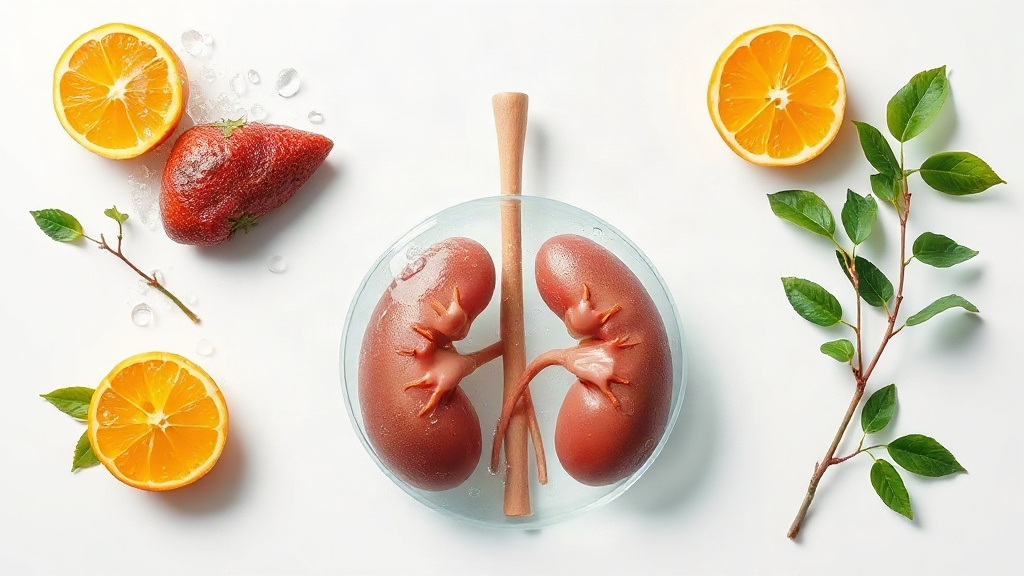
The body relies on four elimination pathways that stay active at all times, with no outside help:
- The liver converts fat-soluble substances (medication, alcohol, pollutants) into water-soluble compounds that can be excreted, through two enzymatic phases (cytochrome P450, then conjugation).
- The kidneys filter roughly 180 liters (about 47.5 gallons) of plasma a day and excrete nitrogen waste and soluble molecules in urine.
- The lungs release carbon dioxide and certain volatile organic compounds with every breath.
- The skin, through sweat, clears a marginal share of heavy metals in people who are heavily exposed, but this route stays secondary in someone who has not been contaminated (Sears et al., 2012).
At the cellular level, one distinct mechanism actually deserves the word cleanup: autophagy. This process, recognized by the 2016 Nobel Prize in Physiology or Medicine (Yoshinori Ohsumi), breaks down and recycles damaged cell components. It switches on mainly during fasting or calorie restriction, not after drinking a juice or an herbal tea.
What science says about detox cures
A critical review published in 2015 in the Journal of Human Nutrition and Dietetics examined every available trial on these commercial diets: none offered solid proof of increased toxin elimination, and the weight loss some people saw was attributed to calorie restriction alone, not a specific “detoxifying” effect (Klein & Kiat, 2015). The authors also noted documented side effects: fatigue, nutrient deficiencies and digestive trouble during extended cures.
On autophagy, a 2018 review in Ageing Research Reviews catalogs evidence that fasting and calorie restriction induce autophagy in animals and, to a lesser extent, in humans (Bagherniya et al., 2018). It is the mechanism that comes closest to genuine cellular cleanup, but it is not triggered by a three-day cure: the protocols studied involve fasting windows of 16 hours or more, repeated over time.
On sweating, a synthesis of 24 studies (Sears et al., 2012) shows that certain metals, such as cadmium, turn up at higher concentrations in sweat than in plasma in people who were already exposed. The sample stays small and does not reflect the general, unexposed population: an occasional sauna session does not “detox” a body with no prior overload. Public health guidance from the NHS underlines that no herbal tea, 24 hour fast or sauna session is enough on its own to clear out “all the toxins” built up after a period of excess (NHS).
In practice: when does detox actually make sense?
Supervised medical detoxification exists for specific situations: withdrawal from a substance, acute poisoning, or liver or kidney failure monitored by a physician. Outside those cases, no cure sold in a store or online replaces the normal work of the liver and kidneys.
The levers that genuinely support these organs are well documented, unlike commercial cures: a stable and varied diet, adequate hydration, regular sleep, and spacing out meals through intermittent fasting, which activates autophagy on firmer evidence than a green juice ever could. The liver, in particular, responds to the overall quality of the diet over several weeks, not to three days of a cure (see our article on the role of choline for the liver).
| Method | Scientific evidence | What actually works |
|---|---|---|
| Detox juice / 3 day cure | No convincing controlled trial (Klein and Kiat, 2015) | Temporary calorie restriction, no targeted elimination |
| Intermittent fasting / calorie restriction | Autophagy documented in animals and humans (Bagherniya et al., 2018) | Cellular recycling, not a “toxin” purge |
| Sauna / sweating | Measurable effect in people already exposed to heavy metals (Sears et al., 2012) | Marginal elimination, not relevant without prior exposure |
| Herbal teas / “wellness” patches | No clinical data | Hydration from the tea itself, placebo effect |
| Daily liver and kidney function | Established physiology | Continuous filtering and processing, no cure needed |
A reasonable protocol to support natural elimination
No protocol replaces the work of the liver and kidneys, but a few habits support these organs over time:
- Drink enough water throughout the day to support kidney filtration, without overdoing it to the point of needlessly diluting the blood.
- Limit alcohol, the main disruptor of liver function at repeated doses.
- Practice moderate intermittent fasting (a 12 to 16 hour window) to support autophagy, while avoiding prolonged fasts without medical supervision.
- Adopt a stable, varied diet rather than a one-off cure: consistency supports the liver, not a week of juice.
- Get enough sleep: deep sleep supports the clearance of metabolic waste from the central nervous system.
To learn more about the cellular cleanup and renewal mechanisms behind aging, our pillar page on loss of proteostasis covers autophagy and the other cell maintenance processes tied to aging.
Frequently asked questions about detox
Does a detox cure lead to lasting weight loss?
A detox cure sometimes sheds a few hundred grams of water or lean mass over a few days, but that loss usually comes back once the cure ends. The Klein and Kiat (2015) review found no evidence of lasting weight loss specifically attributable to a detoxifying effect rather than plain calorie restriction.
Does the liver need a cure to function properly?
No. A healthy liver filters and processes substances continuously, with no pause to trigger or “restart.” A varied diet, moderate alcohol intake and a stable weight support liver function better than a one-off cure lasting a few days.
What is the difference between commercial detox and autophagy?
Commercial detox sells a product meant to speed up an elimination process the body already handles. Autophagy is a real cellular mechanism, triggered by fasting and calorie restriction, that breaks down and recycles damaged cell components, documented by reviews such as Bagherniya et al. (2018).
Do sauna sessions or sweating eliminate toxins?
In someone exposed to heavy metals, sweat can contain measurable concentrations of certain metals such as cadmium (Sears et al., 2012). In someone with no such exposure, the effect stays marginal: sweating does not replace the work of the liver and kidneys.
Is there a safe detox to prepare for a medical test?
No detox cure reliably changes the results of a blood panel, and some restrictive cures can actually skew markers (blood sugar, liver enzymes) through prolonged fasting or dehydration. A panel is prepared by following the lab’s instructions, not by doing a cure beforehand.
Medical disclaimer. The information provided here is for informational purposes only and does not constitute medical advice. It does not replace a consultation. Ask a healthcare professional before changing your diet, taking dietary supplements or starting a new practice, especially if you have a medical condition, are pregnant or are under treatment. Dietary supplements do not replace a balanced diet or medical follow-up.