Menopause is not a disease, but a hormonal turning point that reshapes women’s health for the decades that follow. Hot flashes, broken sleep, weight gain, mood swings: these visible symptoms hide deeper stakes for bones and the heart. The good news is that lifestyle habits weigh heavily on how a woman goes through this stage, and especially on how she ages afterward. Here, without alarmist talk or any product to sell, are 8 proven levers that support healthy aging after menopause.
In brief – Menopause is the point twelve consecutive months after a woman’s last period, typically around age 50, and it reshapes health for the decades that follow. Falling estrogen affects thermoregulation, bone density, cardiovascular risk, body composition, sleep and mood, and the years right after menopause form a decisive window for the heart and skeleton. Healthy aging after menopause depends heavily on lifestyle: regular movement, resistance training, a Mediterranean style diet, adequate calcium and vitamin D, protected sleep, stress management, limiting alcohol and tobacco, and an informed conversation with a doctor about hormone therapy. None of these levers works alone, but combined they meaningfully change how a woman ages after this transition, without alarmist talk or a product to sell.
Menopause: a hormonal transition, not a disease
Menopause is defined as twelve consecutive months without a period, typically around age 50. This stage is preceded by a transition phase, perimenopause, which can last several years. The central mechanism is the progressive stop of ovarian estrogen and progesterone production. This hormonal decline explains most symptoms, but also quieter, deeper changes in the skeleton and the cardiovascular system.
Perimenopause deserves particular attention: it is often the most confusing period. Cycles become irregular and the first symptoms, hot flashes, sleep trouble, mood swings, appear while periods have not yet fully stopped. This phase can stretch over four to eight years before menopause itself. Recognizing it allows a woman to act early, rather than waiting for symptoms to fully set in, and to put the right lifestyle habits in place from the first signals instead of simply enduring the transition.
What changes in the body after 50
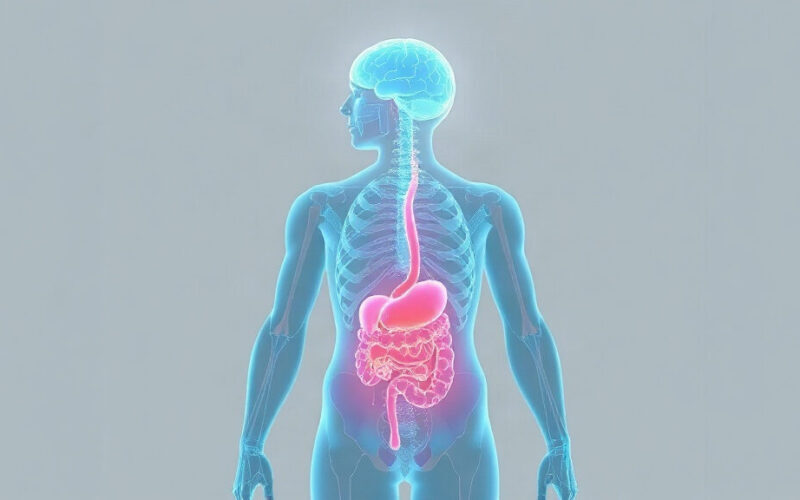
The drop in estrogen is not limited to hot flashes. It affects several systems at once:
- Thermoregulation: hot flashes and night sweats affect 70% to 80% of women; estrogen helped set the brain’s internal “thermostat”.
- Bones: bone loss accelerates, raising the risk of osteoporosis and fractures.
- Heart and arteries: the cardiovascular protection linked to estrogen declines, and the lipid profile tends to worsen.
- Weight and metabolism: fat mass redistributes toward the abdomen, while muscle mass declines.
- Sleep and mood: night waking, irritability and low mood are common.
What the science says about aging after menopause
Beyond discomfort, this transition marks a shift in long term risk. Review evidence shows that the loss of estrogen’s protection comes with a rise in cardiovascular and metabolic risk, particularly before age 60 (Climacteric review, 2023). A pooled analysis of six prospective studies also linked pronounced vasomotor symptoms to a less favorable cardiovascular profile (Zhu et al., 2020).
In other words, the years following menopause form a decisive window for protecting the heart and bones, and this is precisely where lifestyle makes the difference. For reference medical information on this stage and its treatments, the National Institute on Aging offers a complete overview.

8 proven levers for aging after menopause
No magic wand, but a cluster of habits with documented effectiveness. Taken together, they matter far more than any single one alone:
- Move regularly: the WHO recommends 150 to 300 minutes of moderate activity per week; exercise improves mood, sleep and cardiovascular health. Yoga and Pilates are particularly well suited.
- Strengthen muscles: resistance training slows muscle and bone loss, a major issue after 50.
- Adopt a Mediterranean style diet: it lowers blood pressure and triglycerides, and supports healthier aging.
- Secure calcium and vitamin D: this duo preserves bone density. Consider checking your status, as explained in our article on vitamin D.
- Protect your sleep: night waking worsens during this period; good sleep habits become a priority.
- Manage stress: anxiety amplifies hot flashes; techniques such as heart rate coherence help calm the nervous system.
- Limit alcohol and tobacco: both worsen symptoms and speed up bone loss.
- Talk with your doctor: hormone therapy or alternatives, the decision is made case by case, based on the balance of benefits and risks.
| Lever | Why it matters |
|---|---|
| Move regularly | 150 to 300 minutes a week improves mood, sleep and heart health |
| Strengthen muscles | Resistance training slows muscle and bone loss |
| Mediterranean style diet | Lowers blood pressure and triglycerides |
| Calcium and vitamin D | Preserves bone density |
| Protect sleep | Counters worsening night waking |
| Manage stress | Reduces the intensity of hot flashes |
| Limit alcohol and tobacco | Slows bone loss and eases symptoms |
| Talk with your doctor | Weighs hormone therapy against individual risk |
In practice: where to start
There is no need to change everything at once. A few concrete priorities are enough to start the momentum:
- Set an achievable activity goal: a daily brisk walk plus two strength sessions.
- Rebalance meals toward plants, legumes and healthy fats.
- Set up a regular bedtime routine in a cool bedroom.
- Check in with your doctor on bones (bone density scan) and heart health (lipid panel, blood pressure).
- Maintain social ties and activities that feel meaningful: they protect mood and motivation over the long run.
FAQ
At what age does menopause happen?
Menopause happens on average around age 50, with wide individual variation. It is confirmed after twelve consecutive months without a period, following a transition phase called perimenopause.
How can hot flashes be relieved naturally?
Several lifestyle levers help: regular physical activity, stress management, limiting alcohol, caffeine and spicy meals, and wearing breathable layered clothing. These measures reduce the frequency and intensity of episodes for many women.
Does menopause cause weight gain?
Falling estrogen favors fat redistribution toward the abdomen and muscle loss, which can push weight up even at the same calorie intake. Physical activity, especially strength training, and a diet rich in protein and plants limit this effect.
Should you take hormone therapy?
Menopausal hormone therapy can effectively relieve symptoms, but it carries benefits and risks that need individual evaluation. This decision should be made with a doctor, based on your profile and medical history.
Medical disclaimer. The information provided here is for informational purposes only and does not constitute medical advice. It does not replace a consultation. Ask a healthcare professional before changing your diet, taking dietary supplements or starting a new practice, especially if you have a medical condition, are pregnant or are under treatment. Dietary supplements do not replace a balanced diet or medical follow-up.