The benefits of laughter emerge within seconds, triggering a cascade of measurable physiological reactions, from cortisol to blood vessels. Since the late 1980s, psychoneuroimmunology researchers at Loma Linda (California) have measured these effects through blood tests. Japanese cardiologists have added vascular ultrasound data, in healthy adults as well as in clinic patients. Five effects now stand out from controlled trials published between 1989 and 2016, ranging from pain threshold to arterial dilation.
In brief – Laughter is an involuntary psychophysiological response, triggered by a humorous or social stimulus, that activates the respiratory, hormonal, immune and cardiovascular systems at the same time. In healthy adults, a 30 to 60 minute humorous episode lowers cortisol and adrenaline, transiently raises natural killer (NK) cell activity and improves artery dilation by 17% on average, one of the best documented benefits of laughter. Shared in a group, it also raises the pain tolerance threshold through endorphin release, a mechanism thought to strengthen social bonds. These effects, documented by five separate controlled trials between 1989 and 2016, remain transient: they last from a few minutes to about 24 hours after the episode and do not replace medical treatment or regular physical activity.
Definition: what are the benefits of laughter, physiologically?
Laughter is an involuntary motor and respiratory response triggered by a humorous or social stimulus, or sometimes by a purely physical one such as tickling. It combines jerky diaphragm contractions, forced exhalation in bursts and activation of the zygomaticus major muscle, which pulls up the corners of the mouth. Researchers distinguish two forms: the spontaneous type, known as Duchenne laughter, marked by an involuntary contraction of the orbicularis oculi muscle and crinkling around the eyes, and the social or voluntary type, produced consciously to punctuate an interaction. These two forms activate different brain circuits: the first engages the brainstem and the limbic system, the second draws more on the prefrontal cortex.

Mechanism: how a laughing fit acts on the body
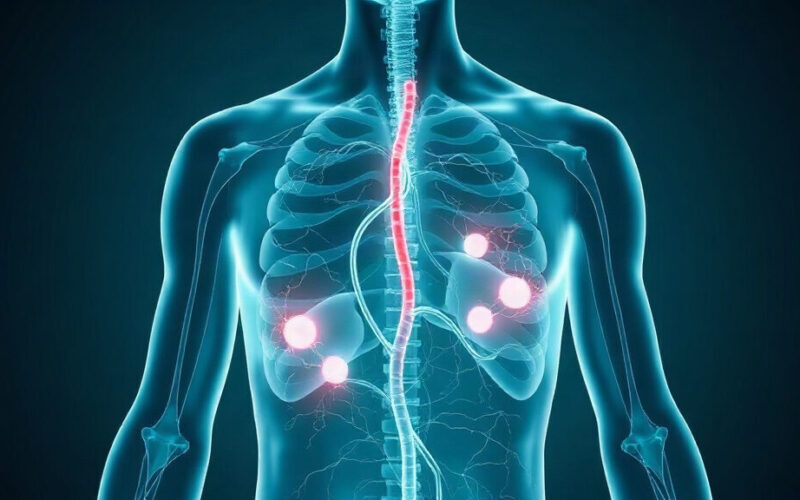
A roughly 30 minute episode of mirthful laughter is enough to change several systems in parallel, according to the protocols used in laboratory research. The chain starts in the limbic system, runs through the hypothalamic-pituitary-adrenal axis, then reaches the periphery of the body through hormonal and nervous pathways.
- Respiratory system: repeated diaphragm contractions, a transient rise in heart rate and ventilation.
- Hormonal system: a drop in cortisol, adrenaline and the dopamine metabolite DOPAC, a transient rise in growth hormone.
- Immune system: activation of natural killer (NK) cells, involved in antiviral and antitumor surveillance.
- Cardiovascular system: dilation of the arterial endothelium, improved arterial compliance.
- Endogenous opioid system: endorphin release, associated with a higher pain tolerance threshold.
What science says about the benefits of laughter
Five controlled trials, conducted between 1989 and 2016 on healthy adults or clinic patients, measure objective effects of laughter beyond subjective feelings.
1. Stress hormones. In 10 healthy men, watching a 60 minute humorous video lowered cortisol (p = 0.011) and adrenaline (p = 0.017) compared with a control group. Growth hormone first rose transiently, then fell as the humorous episode went on (Berk et al., 1989, PubMed).
2. Immunity. In 33 healthy women, the group exposed to a humorous video saw its stress decrease (p = 0.004). Its NK cell activity rose in proportion to the reported amusement score (r = 0.744, p = 0.001) (Bennett et al., 2003, PubMed).
3. Heart and blood vessels. In 17 adults aged 23 to 42, 30 minutes of comedy increased brachial artery flow-mediated dilation by 17%, compared with a 15% drop after a documentary. Carotid artery compliance gained 10% in the same trial (Sugawara et al., 2010, PubMed).
4. Pain threshold. Six experimental studies conducted in the laboratory and at live shows confirm this. A shared social episode of the Duchenne type raises the pain tolerance threshold through an opioid mechanism, independently of simply being in a good mood (Dunbar et al., 2012, PubMed).
5. Mental health. A literature review notes that laughter lowers cortisol and adrenaline, and modulates dopamine and serotonin. It also acts as a non-pharmacological adjunct treatment in managing stress and low mood (Yim, 2016, PubMed).
This research covers acute effects, measured within the hour following the episode. None establishes that regular practice extends lifespan. An association between good mood and cardiovascular health is not the same as demonstrated long-term causation, a caveat also noted for stress by the World Health Organization.
In practice: who can benefit from laughter, and in what setting?
Oncology and palliative care units sometimes include supervised laughter sessions as a complement to treatment, never as a replacement. People being followed for high cortisol report feeling better after regular sessions, without this replacing overall stress management. The vascular effects place this practice alongside other levers that activate the parasympathetic system, such as heart rate coherence. On the immune side, it adds to the levers already documented to support immunity with age, as part of the intercellular communication between the nervous, hormonal and immune systems.
| Type | Trigger | Main documented effect |
|---|---|---|
| Spontaneous (Duchenne) | Genuine humor, surprise | Contraction of the orbicularis oculi, strong endorphin release |
| Voluntary social | Group interaction, politeness | Strengthened social bond, more modest hormonal effect |
| Laughter yoga (simulated in groups) | Guided breathing exercises, without humorous content | Shift to a spontaneous reaction within minutes, respiratory relaxation |
Protocol: fitting laughter into daily life without forcing it
No standardized protocol sets a precise daily dose, but the studies cited use 20 to 60 minute sessions to observe a measurable effect. A few simple guidelines are enough to bring more laughter into daily life without forcing it.
- Watch a comedy show or film for 20 to 30 minutes, several times a week, rather than anxiety-inducing content in the evening.
- Favor in-person social interactions: this response is triggered almost always in the presence of others, rarely alone in front of a screen.
- Try a laughter yoga session in a club or online, especially after a period of prolonged stress.
- Avoid forcing it after recent abdominal surgery, or in case of an untreated hernia or severe urinary incontinence: the repeated diaphragm contractions can be uncomfortable in these situations.
Frequently asked questions about the benefits of laughter
What are the proven effects of laughter on stress?
In healthy adults, a roughly one hour humorous episode lowers cortisol and adrenaline within tens of minutes, with a stronger effect than in subjects who received no comic stimulus. This drop remains transient and does not replace long-term management of chronic stress.
Does laughter really strengthen the immune system?
Controlled trials show a transient increase in natural killer cell activity after a shared humorous episode, particularly in people who report a high level of amusement. This acute immune effect is not enough on its own to prevent an infection, it adds to the usual prevention measures.
Does laughter have a measurable effect on the heart and blood vessels?
Yes: in young adults, 30 minutes of comedy increases brachial artery dilation by about 17%, a marker of good endothelial health, compared with a drop after a neutral documentary. This vascular effect is transient and does not replace physical activity or the monitoring of an existing cardiovascular risk factor.
Do you have to laugh spontaneously to gain benefits?
The spontaneous form, known as Duchenne laughter, produces the strongest hormonal and pain-relieving effects in studies. The voluntary or simulated form, such as the one practiced in laughter yoga, often shifts into an authentic reaction within minutes through social contagion, which explains its value in groups despite an artificial initial trigger.
How long do you need to laugh each day to feel an effect?
Research protocols use 20 to 60 minute sessions of humorous content to measure a hormonal or vascular effect. No study sets a universal minimum daily dose: regular social interaction and genuinely funny content matter more than any precise duration to stick to.
Medical disclaimer. The information provided here is for informational purposes only and does not constitute medical advice. It does not replace a consultation. Ask a healthcare professional before changing your diet, taking dietary supplements or starting a new practice, especially if you have a medical condition, are pregnant or are under treatment. Dietary supplements do not replace a balanced diet or medical follow-up.