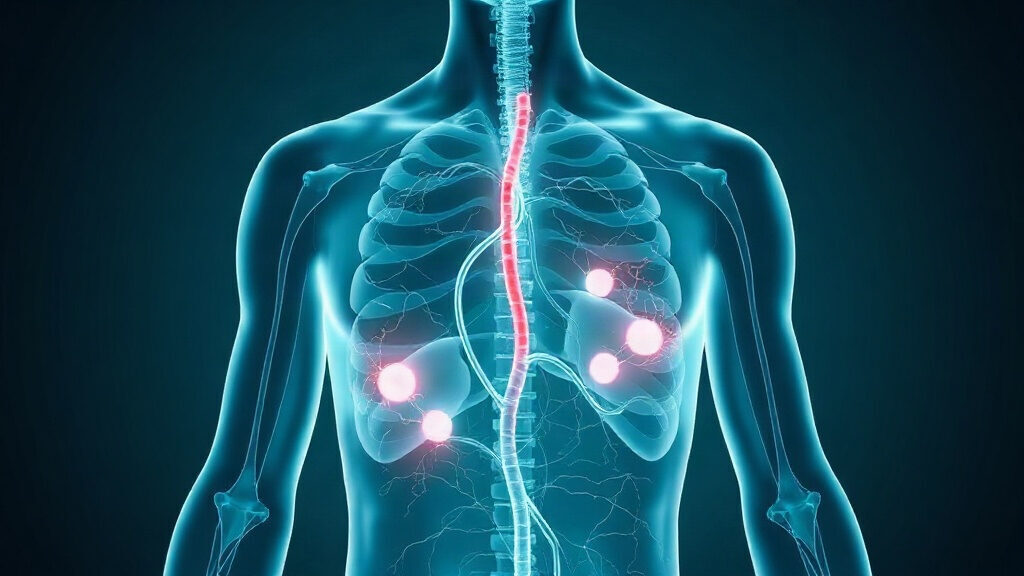
The lymphatic system drains nearly two to three liters (roughly half a gallon to three quarts) of interstitial fluid every day and carries the white blood cells tasked with spotting an intruder, a virus-infected cell or cellular waste. This network of vessels and nodes works silently, with no pump of its own, yet it determines how fast the immune response reacts to an infection. Understanding how it works helps explain why a lymph node swells, why movement matters, and where the science stops short of the promises made by “lymphatic detox” claims.
In brief – The lymphatic system is a network of vessels, nodes and organs (the spleen, thymus, tonsils and Peyer’s patches) that drains interstitial fluid from tissues and carries lymphocytes to the areas where they are needed. About 600 lymph nodes filter lymph before it rejoins the bloodstream, capturing bacteria, viruses and abnormal cells along the way and presenting them to immune cells. Unlike blood, lymph has no central pump: it moves through the contraction of lymphatic muscle and the movement of the body. With age, the vessels lose contractility, which slows immune surveillance and feeds the low-grade chronic inflammation typical of aging (immunosenescence).
Definition: What Is the Lymphatic System?
This network includes all the vessels, nodes and lymphoid organs that recycle interstitial fluid and transport immune cells. It complements blood circulation without duplicating it: blood irrigates tissues under pressure, while lymph collects what blood capillaries let filter through (proteins, digested fats, cellular debris) and gradually carries it back to two junction points with the subclavian veins.
Lymphoid organs fall into two categories. Primary organs, the bone marrow and thymus, produce and mature B and T lymphocytes. Secondary organs, the lymph nodes, spleen, tonsils and the intestine’s Peyer’s patches, are where these cells encounter an antigen and trigger a response.
Mechanism: How Does Lymph Circulate?
Lymph has no central pump comparable to the heart. Its progress depends on several mechanical relays that, combined, push the fluid upward through the body:
- The rhythmic contraction of the smooth muscle cells in lymphatic vessels (the lymphangions), which function as a series of small, independent pumps.
- Internal valves, which prevent backflow and enforce a one-way direction of flow.
- The contraction of skeletal muscles during walking or exercise, which compresses the superficial vessels.
- Breathing movements: the drop in chest pressure during inhalation draws lymph toward the thoracic duct.
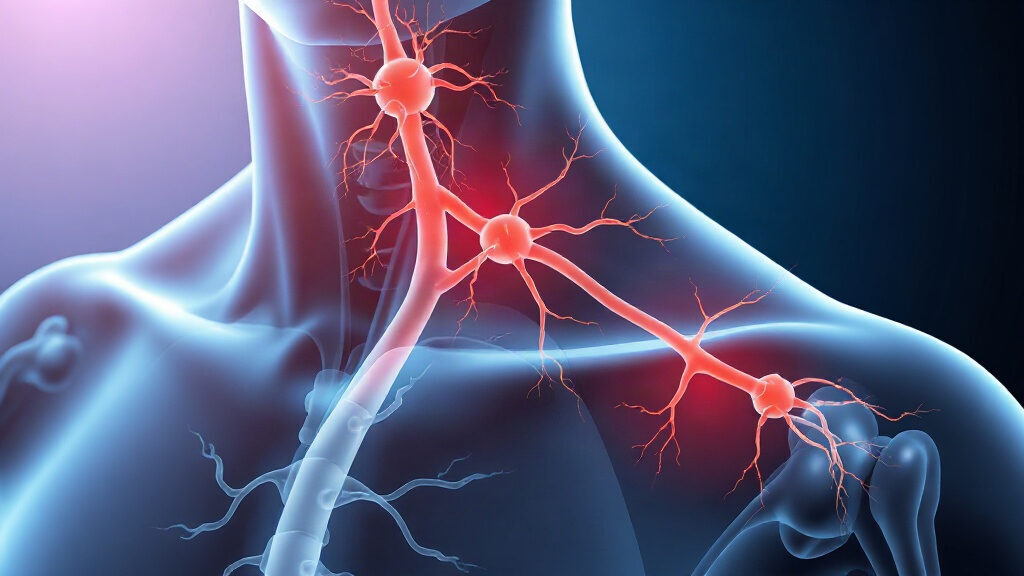
The thoracic duct, the main collector, empties filtered lymph into the left subclavian vein, where it finally rejoins the general blood circulation.
What the Science Says About the Lymphatic System and Immunity
A landmark review published in Annual Review of Immunology details how lymphatic vessels direct the traffic of dendritic cells and lymphocytes toward the nodes, where the adaptive immune response is built (Randolph et al., 2017). The lymphatic endothelium is not a simple pipe: it presents antigens itself and modulates the activity of the T cells that pass through it.
This function declines with age. A review published in the journal Aging describes reduced lymphangion contractility, a loss of vessel tightness and slower transport of immune cells, changes associated with osteoarthritis, Alzheimer’s disease and cardiovascular disease (Baranwal and Rutkowski, 2019). This slowdown feeds inflammaging, the low-grade chronic inflammation that accompanies aging.
A 2015 discovery overturned a decades-old dogma: the brain also has lymphatic vessels, housed in the meninges that surround it, capable of draining cerebrospinal fluid toward the deep cervical lymph nodes (Louveau et al., 2015). This meningeal network is being studied as a possible player in clearing the protein waste linked to neurodegenerative disease, a research lead that remains open and not proof of any treatment. A French Inserm team separately showed how lymph nodes form during embryonic development, with cells originating in the fetal liver migrating to build these immune sorting stations (Simic et al., 2020).
In Practice: When the Lymphatic System Draws Attention
A lymph node that swells in the neck, armpit or groin most often signals a local infection currently being handled by the immune system, not a serious disease in itself. Swelling that persists for more than two to three weeks, feels hard, is painless or comes with unexplained fever warrants medical attention. Lymphedema, the chronic swelling of a limb from lymph buildup, affects some people treated for breast cancer after axillary lymph node removal, among others.
The link between chronic inflammation and sluggish lymphatic flow runs both ways: poorly circulating lymph retains inflammatory mediators in tissues, sustaining the phenomenon. Gut-associated lymphoid tissue houses a large share of the body’s immune cells and is in constant dialogue with the gut microbiome, another pillar of intercellular communication that declines with age.
| Characteristic | Blood system | Lymphatic system |
|---|---|---|
| Driving force | Central cardiac pump | Muscle contraction and movement |
| Circuit | Closed, looped | Open, one-way toward the veins |
| Main content | Red blood cells, plasma | Lymphocytes, proteins, digested fats |
| Immune role | Transport of immune cells | Filtration, activation and antigen presentation |
| Filtration points | Spleen, liver | About 600 lymph nodes |
See also the article on immune aging and defenses to place this network within the body’s full set of defenses.
Protocol: Supporting Lymphatic Circulation Every Day
No single action “detoxifies” the lymphatic system in the marketing sense of the term, but several habits support its natural pumping mechanics:
- Walk regularly: the contraction of the calves and thighs is the main external driver of lymph flow in the legs.
- Avoid prolonged static positions, crossed legs and clothing that is too tight at the waist or limbs.
- Stay well hydrated, since lymph remains largely made up of water.
- Elevate the legs in the evening if they feel heavy, a simple step that helps venous and lymphatic return.
- See a doctor for persistent limb swelling rather than relying on unproven “drainage” devices.
Manual lymphatic drainage performed by a trained physical therapist has a recognized indication in managing confirmed lymphedema. Outside that specific medical context, no solid study shows that a cosmetic massage durably changes immunity.
Frequently Asked Questions
Is the lymphatic system linked to the immune system?
Yes, the lymphatic system forms the transport and filtration architecture of the immune system. Lymph nodes and the spleen house the lymphocytes that encounter antigens, while the vessels carry these cells to sites of infection. Without this network, immune cells would circulate too slowly to mount a coordinated response to a pathogen.
Why does a lymph node swell during an infection?
A lymph node grows larger when the lymphocytes inside it multiply to respond to an antigen picked up locally, for example during a sore throat or an infected wound. This swelling, usually soft and tender to pressure, subsides within one to two weeks once the infection is under control. It reflects an active immune response, not an abnormality in itself.
Does manual lymphatic drainage have proven benefits?
Manual lymphatic drainage has a recognized medical indication in managing lymphedema, particularly after breast cancer treatment involving lymph node removal. Outside that specific indication, no robust study shows that a cosmetic massage improves overall immunity or eliminates toxins.
How does the lymphatic system change with age?
With age, lymphatic vessels lose contractility and become more permeable, which slows the transport of immune cells toward the lymph nodes. This decline, documented in animals and partly in humans, contributes to the low-grade chronic inflammation and slower immune response seen in older adults.
Does the brain have a lymphatic system?
The brain does not contain classic lymphatic vessels within its tissue, but lymphatic vessels were identified in 2015 in the meninges that surround it. This meningeal network drains part of the cerebrospinal fluid toward the deep cervical lymph nodes and is being studied for its role in neurodegenerative disease.
Medical disclaimer. The information provided here is for informational purposes only and does not constitute medical advice. It does not replace a consultation. Ask a healthcare professional before changing your diet, taking dietary supplements or starting a new practice, especially if you have a medical condition, are pregnant or are under treatment. Dietary supplements do not replace a balanced diet or medical follow-up.