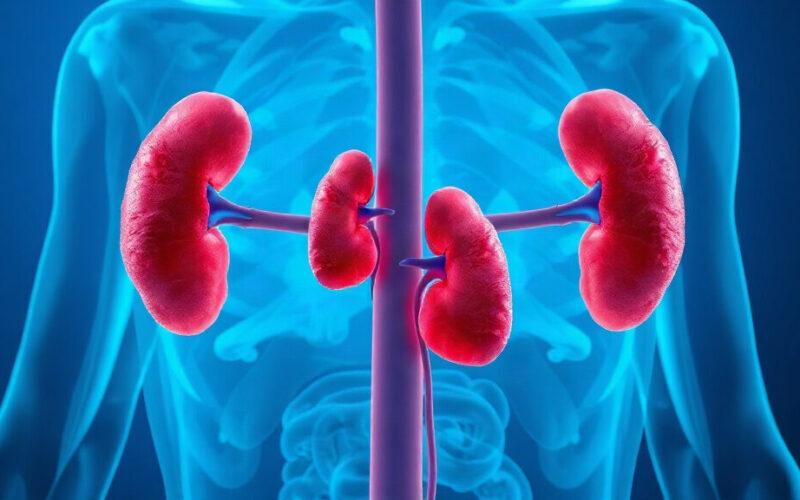
Preventive health rests on a simple but powerful idea: it is far more effective, and far less costly, to prevent disease than to treat it once it has taken hold. A few daily habits and regular checkups make it possible to catch risk factors early and gain years of healthy life.
In brief – Preventive health is the set of habits and medical checkups that catch risk factors before they turn into disease, protecting years of healthy life. It works on three levels: primary prevention (lifestyle choices that keep disease from starting), secondary prevention (screening before symptoms appear) and tertiary prevention (limiting complications once a condition is present). Diet, regular exercise, quality sleep, stress management, avoiding tobacco and moderating alcohol form the foundation, alongside checkups tailored to age and family history. Eight simple habits, from tracking blood pressure to keeping vaccinations current, turn preventive health into a practical daily routine rather than an abstract idea. Building this habit early reshapes a person’s health trajectory over an entire lifetime.
What Is Preventive Health?
This approach covers every action aimed at avoiding disease, catching it as early as possible and limiting its consequences. Three levels are usually distinguished: primary prevention (adjusting lifestyle to avoid falling ill), secondary prevention (screening before symptoms appear) and tertiary prevention (avoiding complications from a condition that is already present). It is the single most cost-effective way to protect long-term health.

The Main Pillars of Prevention
Most chronic diseases share the same risk factors, and each one is within a person’s control:
- Diet, the first lever for preventing cardiovascular and metabolic disease;
- Regular physical activity, which protects the heart, muscles and brain;
- Quality sleep, essential to the body’s daily repair;
- Stress management and mental health;
- Quitting tobacco and moderating alcohol;
- Medical follow-up and screenings tailored to age and history.
What the Science Actually Shows
Public health authorities agree on this point. According to the World Health Organization, most noncommunicable diseases (cardiovascular disease, diabetes, cancer) could be avoided by addressing a handful of risk factors. A structured preventive health approach measurably lowers premature mortality. For more detail, see the research on preventive health checkups and on cardiovascular risk screening.
In Practice: Building Smarter Follow-Up Care
Prevention is not just an annual checkup, it is an overall way of living. Its pillars reinforce one another, as shown in our guides on longevity strategies and on physical activity. Explore all of our coverage in the Preventive Health hub.
Protocol: 8 Preventive Health Habits
- Get a regular health checkup with your primary care doctor.
- Monitor your blood pressure, often silent but decisive for long-term health.
- Check your blood sugar and lipid panel according to current guidelines.
- Get screenings suited to your age (cancer, vision, hearing).
- Keep your vaccinations up to date.
- Move every day and eat well.
- Protect your sleep and manage your stress.
- Quit tobacco and limit alcohol.
Recommended Screenings by Age
Preventive needs change over time. Before 40, the focus stays on lifestyle habits, blood pressure and a baseline blood panel. Between 40 and 50, heart and blood sugar monitoring join the list, along with the start of certain cancer screenings. After 50, organized screening programs (colon, breast, prostate depending on the case) matter most, alongside bone health and vision.
| Life stage | Main focus |
|---|---|
| Before 40 | Lifestyle habits, blood pressure, baseline blood panel |
| 40 to 50 | Heart and blood sugar monitoring, early cancer screening |
| After 50 | Organized cancer screenings, bone health, vision |
This progressive approach allows problems to be addressed before they take hold. What matters most is building a trusting, ongoing relationship with a healthcare professional, who can tailor these recommendations to personal and family history.
Three Myths About Prevention, Debunked
Prevention still runs into a few misunderstandings. The first myth: prevention is only for older or already sick people. In reality, the earlier a person starts, the more the benefits accumulate over time. The second myth: feeling fine means no follow-up is needed. Yet many risk factors, such as high blood pressure or excess cholesterol, stay completely silent for years before causing damage. The third myth: prevention is expensive and time-consuming. The opposite is true, since it is one of the most cost-effective approaches available and avoiding a chronic disease saves years of treatment and complications.
Adopting a preventive mindset means changing perspective: no longer waiting for a symptom to act, but actively maintaining one’s health capital. This shift, simple as it sounds, reshapes a person’s health trajectory over an entire lifetime.
Frequently Asked Questions
At what age should preventive health become a priority?
As early as possible, since lifestyle habits form early in life. But it is never too late: adopting a preventive approach at 40, 50 or 60 brings measurable benefits. Regular follow-up throughout life is the ideal.
Is prevention only about medical tests?
No. Tests and screenings are one part, but prevention mostly rests on daily lifestyle choices. Diet, physical activity, sleep, stress management and avoiding tobacco matter even more.
How often should someone get a health checkup?
It depends on age, medical history and risk factors. A regular conversation with a primary care doctor helps set the right pace. Without a specific risk, a checkup every one to three years is a reasonable baseline.
Does prevention really help avoid serious illness?
A large share of chronic disease is linked to avoidable factors. Acting early on those factors and screening ahead of time measurably lowers the risk of severe illness and premature death, according to health authorities.
Medical disclaimer. The information provided here is for general purposes only and does not constitute medical advice. It does not replace a consultation. Ask a healthcare professional before changing your diet, taking dietary supplements or starting a new practice, especially if you have a medical condition, are pregnant or are under treatment. Dietary supplements do not replace a balanced diet or medical follow-up.