Gut microbiome longevity is shaped by one of the most sophisticated communication networks in the human body. Your gut is not simply a digestive tube: it is a silent conductor that sends signals to every vital organ, from your brain to your heart, from your skin to your muscles. And this conductor ages, or stays younger, right along with you.
Over the past decade, research has documented what clinicians had long observed without being able to explain: two people of the same age can carry gut microbiomes that differ by a full decade in composition and diversity. This microbial diversity is now recognized as one of the most robust markers of biological age, on par with epigenetic clocks.
In brief – Gut microbiome longevity describes how the trillions of bacteria, viruses, fungi and archaea living in your gut shape how you age, through at least nine documented pathways linking the gut to the brain, heart, muscles, skin, bone, liver, kidneys, lungs and fat tissue. Diversity declines with age, but the gut microbiome remains modifiable throughout life, unlike your fixed genome. Centenarians in good health tend to carry microbial profiles resembling those of much younger adults, and animal studies show the relationship runs both ways: an aged gut microbiome can worsen inflammation and cognition, while a younger one can improve them. Fiber diversity, fermented foods, regular movement, stress management and consistent eating windows are the best documented levers for supporting a favorable gut microbiome over the long term.
What is the gut microbiome?
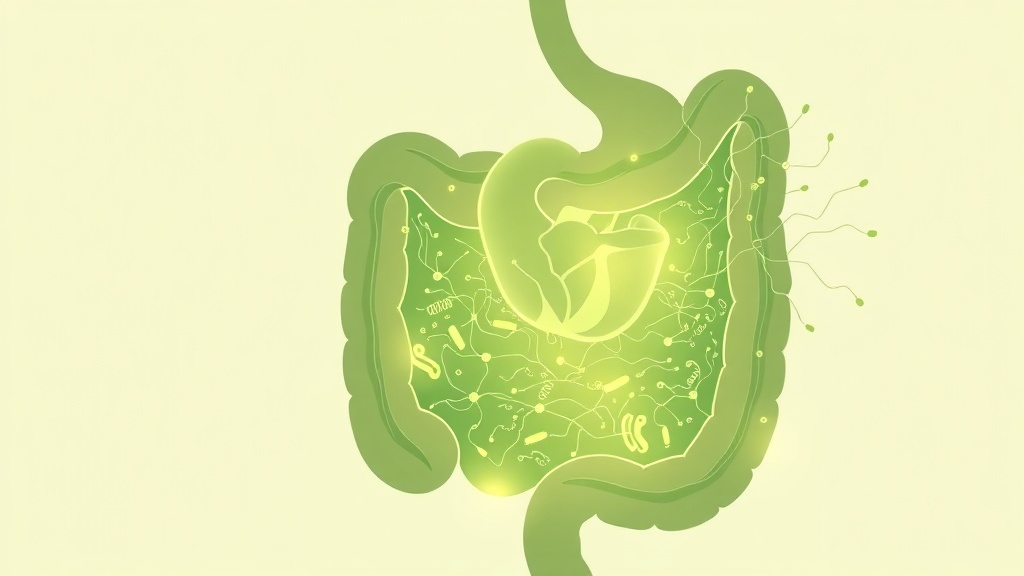
The gut microbiome refers to the full community of microorganisms, bacteria, viruses, fungi and archaea, that colonize your digestive tract, mainly the colon. Researchers estimate their number at 38 trillion, slightly more than the number of human cells in the body. Their collective genome, the microbiome, contains roughly a hundred times more genes than the human genome itself.
This colony is not static. It shifts with diet, stress, antibiotics, sleep patterns and time. That is precisely where the stakes for longevity lie: unlike your genome, which is fixed at birth, your gut microbiome is modifiable.
- At birth, microbial colonization is close to nil; it builds up over the first few years depending on the mode of delivery, breastfeeding and environment.
- In adulthood, the gut microbiome stabilizes but remains sensitive to every lifestyle change.
- In older age, diversity declines, pro-inflammatory species increase and butyrate producers, a short chain fatty acid essential to gut lining integrity, decrease.
How the gut communicates with every organ
Communication between the gut and the rest of the body travels along four main pathways. Understanding these pathways explains why optimizing your gut microbiome can produce effects you will feel in your brain, on your skin or in your muscles.
- Bacterial metabolites. Gut bacteria ferment dietary fiber and produce short chain fatty acids (SCFAs): butyrate, propionate, acetate. These molecules enter the bloodstream and reach distant organs, where they act as anti-inflammatory messengers, appetite regulators and modulators of gene expression.
- The vagus nerve. This neural “cable” links the brainstem to the gut through 100 million enteric neurons. Gut bacteria influence the signals carried by this nerve in real time, affecting mood, cognition and stress.
- The immune system. About 70% of immune cells reside in or around the gut. Dysbiosis (an imbalance in the gut microbiome) triggers low grade intestinal inflammation that spreads systemically and accelerates aging, a phenomenon researchers call “inflammaging”.
- Neurotransmitters and hormones. Certain bacteria synthesize or regulate the production of serotonin (90% of which is made in the gut), GABA, dopamine and other signaling molecules with far reaching systemic effects.
Gut microbiome longevity: what the science says in 2026
The scientific evidence linking the gut microbiome to longevity keeps solidifying every year. Two findings deserve particular attention for anyone who cares about their biological age.
A study of centenarians in excellent health identified distinct microbial profiles in these individuals: more secondary bile acid producing bacteria and fewer opportunistic pathobionts. A gut microbiome that resembles that of a 50 year old in someone who is 100 is one of the most striking correlates of healthy longevity.
Dr. Belghiti’s insight, What makes this data clinically relevant is causality. Fecal transplant experiments from old mice into young mice induce measurable cognitive and inflammatory deficits in the recipients. The reverse, transplanting a young gut microbiome into old mice, improves markers of immunosenescence. The bidirectionality is established.
Among the most cited studies: a cohort analysis published in the New England Journal of Medicine showed that microbiome alpha diversity is inversely correlated with all cause mortality. The reference Lynch & Pedersen, NEJM 2016 remains a pillar of this field. Cryan et al., Physiological Reviews 2019 mapped the full set of pathways in the gut-brain-microbiome axis. Claesson et al., Nature 2012 established the first robust link between microbial diversity, diet and frailty in older adults.
For a broader overview, Harvard’s Nutrition Source explains how a fiber rich, plant diverse diet is the most consistent lever for a favorable gut microbiome. The altered intercellular communication pillar explores how organ to organ signaling breakdowns like these accumulate with age.
The 9 gut-organ axes: what gut microbiome longevity means in practice
Science has documented nine pathways linking the gut to specific organs. The table below gives a quick overview before each axis is detailed.
| Axis | Organ affected | Key signal |
|---|---|---|
| Gut-brain | Brain | Vagus nerve, LPS, SCFAs |
| Gut-heart | Heart | TMAO |
| Gut-muscle | Muscle | Circulating LPS, permeability |
| Gut-skin | Skin | SCFAs, immune modulation |
| Gut-bone | Bone | Butyrate, mineral absorption |
| Gut-liver | Liver | Portal blood, bacterial toxins |
| Gut-kidney | Kidney | Uremic toxins |
| Gut-lung | Lung | SCFAs, immune signaling |
| Gut-fat tissue | Adipose tissue | Lipolysis, insulin sensitivity |
1. The gut-brain axis
Gut microbiome alterations are associated with Alzheimer’s disease, Parkinson’s disease, depression and multiple sclerosis. The key is maintaining a flora rich in butyrate producers, which preserve the gut lining and limit the passage of lipopolysaccharides (LPS), triggers of low grade brain inflammation.
2. The gut-heart axis
Certain bacteria metabolize choline and carnitine into TMAO (trimethylamine N oxide), a molecule associated with atherosclerosis. Cutting back on red meat and eating more plants changes bacterial composition within weeks, lowering circulating TMAO.
3. The gut-muscle axis
Gut dysbiosis increases mucosal permeability and circulating LPS levels, accelerating muscle breakdown. Age related sarcopenia has a gut component that is often overlooked. Trials have shown that targeted probiotic supplementation improves strength and endurance in older adults.
4. The gut-skin axis
Atopic dermatitis, psoriasis and acne are associated with specific dysbioses. Oral probiotics have demonstrated photoprotective and anti-aging effects on skin through SCFAs that modulate the skin’s immune response.
5. The gut-bone axis
Butyrate produced in the gut can migrate to bone marrow and influence bone metabolism. Certain bacteria promote the absorption of calcium and magnesium, playing an underappreciated role in osteoporosis prevention.
6. The gut-liver axis
The liver receives 70% of its blood supply directly from the gut. A compromised gut lining lets bacterial toxins through, triggering liver inflammation. Non alcoholic fatty liver disease is closely linked to gut dysbiosis.
7. The gut-kidney axis
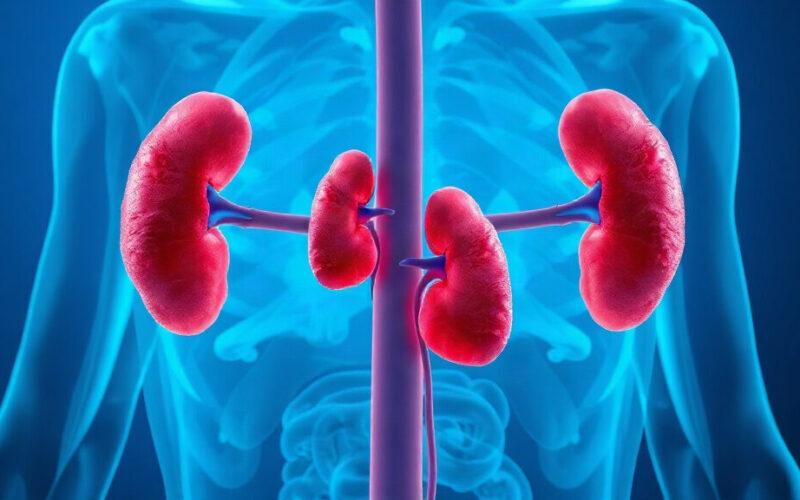
Excessive protein fermentation produces uremic toxins that accumulate over time. A fiber rich diet reduces their production and protects kidney function, a crucial point for people who eat large amounts of animal protein.
8. The gut-lung axis
SCFAs produced in the gut travel to the lungs, where they regulate the bronchial immune response. Gut microbial diversity is correlated with respiratory health and offers protection against asthma and lung infections.
9. The gut-fat tissue axis
Species such as Akkermansia muciniphila have documented anti-obesity effects in clinical trials. The gut microbiome regulates lipolysis, thermogenesis and insulin sensitivity, independent of caloric intake.
The chrono-microbiome: the angle everyone forgets
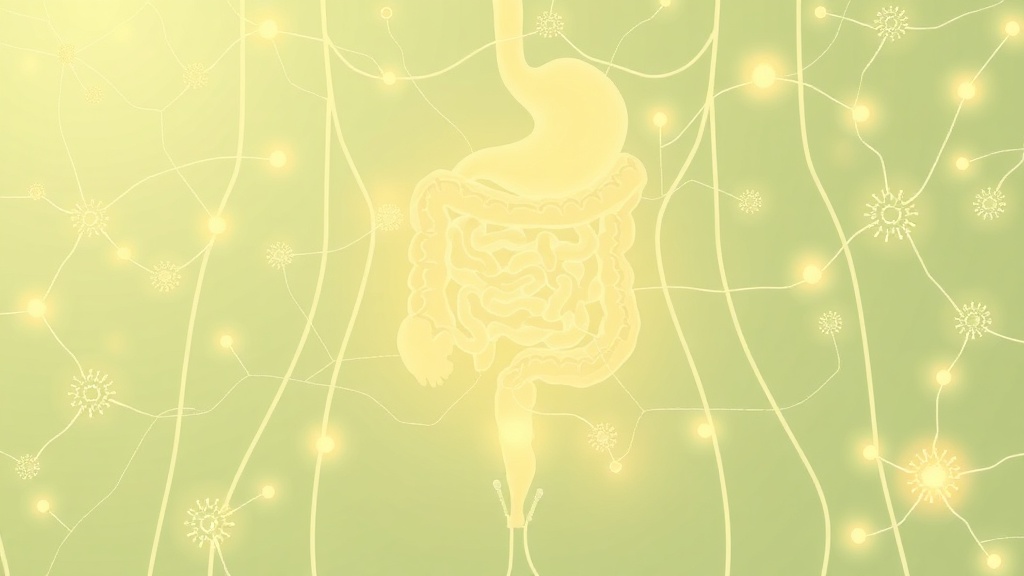
A major aspect often missing from overviews: your gut microbiome also has a circadian rhythm. Its composition fluctuates cyclically over 24 hours, and disrupting that rhythm, through late meals, night shift work or evening screen time, profoundly alters its makeup.
This connection ties directly into morning light and circadian rhythms: syncing your biological clocks also means protecting your gut microbiome. Likewise, intermittent fasting and fasting mimicking diet protocols have documented effects on microbial diversity, favoring butyrate producing species.
6 proven levers to support gut microbiome longevity
- Diversify fiber sources. Aim for 30 different plants a week. Plant diversity is the most robust predictor of microbial diversity.
- Add fermented foods. Yogurt, kefir, sauerkraut, kimchi, miso. A 2021 Stanford study found that a diet rich in fermented foods reduced 19 inflammatory markers in 10 weeks.
- Respect eating windows. Eating within an 8 to 12 hour window respects the gut microbiome’s circadian rhythm. Nighttime snacking disrupts the regeneration of the intestinal lining.
- Cut back on ultra-processed foods. Food emulsifiers degrade the intestinal mucus layer and increase permeability even at low, regular doses.
- Manage stress actively. Cortisol changes bacterial composition within hours. Paced breathing, meditation and walking in nature have measurable effects on the gut microbiome.
- Move regularly. Moderate exercise increases microbial diversity and the proportion of butyrate producers. Sedentary behavior, by contrast, depletes the gut microbiome.
Frequently asked questions
Can the gut microbiome reveal my biological age?
Yes, several machine learning models built from gut microbiome data predict biological age with an accuracy comparable to epigenetic clocks. Alpha diversity and the proportion of certain beneficial species are particularly informative. This approach is moving rapidly toward clinical practice.
How long does it take to meaningfully change your gut microbiome?
Compositional changes can be measured within 3 to 7 days of a major dietary shift. Lasting changes require several weeks to a few months of consistency. A brief return to a highly processed diet quickly undoes these gains.
Should you take probiotic supplements?
Probiotics are useful in specific situations, after antibiotic therapy, for irritable bowel syndrome or immune support. Outside of these indications, fermented food is more effective and diverse than a capsule supplement. If you have a medical condition, consult your doctor: each strain has specific effects.
Does intermittent fasting benefit the gut microbiome?
The evidence points in a consistently positive direction: intermittent fasting increases the proportion of butyrate producing species, reduces pro-inflammatory species and supports regeneration of the gut lining. The mechanism partly involves autophagy of intestinal epithelial cells.
What is the real link between stress and the gut microbiome?
Chronic stress increases intestinal permeability and alters digestive motility, creating an environment unfavorable to beneficial bacteria. In turn, dysbiosis amplifies the stress response by modulating serotonin and GABA. This vicious cycle can be interrupted from both ends: diet and stress management.
Medical disclaimer. The information provided here is for informational purposes only and does not constitute medical advice. It does not replace a consultation. Ask a healthcare professional before changing your diet, taking dietary supplements or starting a new practice, especially if you have a medical condition, are pregnant or are under treatment. Dietary supplements do not replace a balanced diet or medical follow-up.