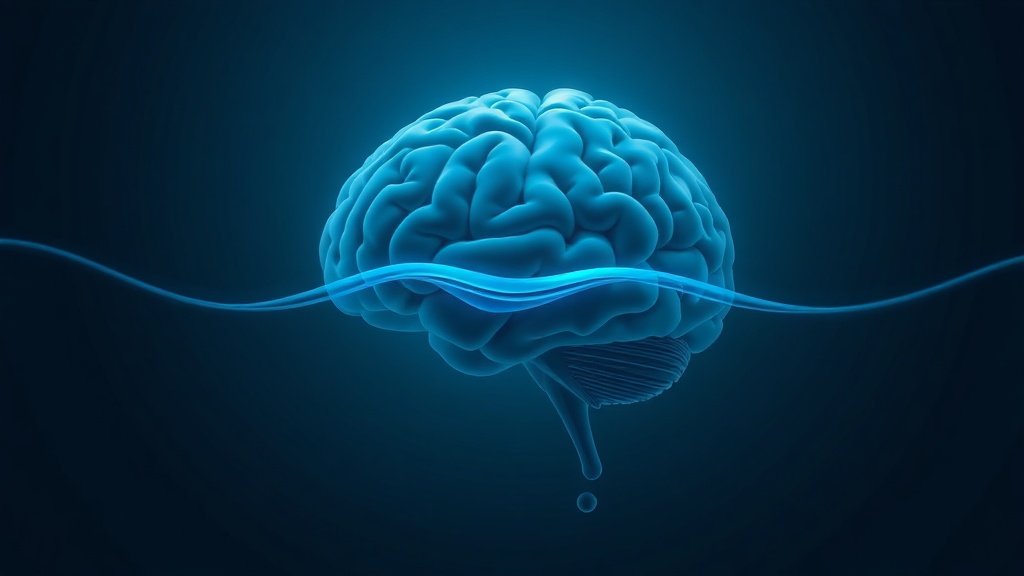
Every night, during deep sleep, the brain turns into a genuine cleaning station. A network of channels opens between nerve cells, cerebrospinal fluid flows through in rhythmic waves, and it carries away the metabolic waste built up during the day, including toxic proteins linked to neurodegenerative disease. This nightly brain cleaning, identified only recently, places this sleep stage at the center of brain health and longevity. Here is what the science shows and how to make the most of this precious stage.
In brief – Deep sleep is the stage of nightly rest when the brain’s glymphatic system opens channels between cells and flushes out metabolic waste, including proteins linked to neurodegenerative disease. This nocturnal brain cleaning was identified in the early 2010s and has since been confirmed in humans through direct brain imaging. During this stage, the space between neurons widens by about 60%, letting cerebrospinal fluid wash through brain tissue in rhythmic pulses tied to slow brain waves. Over the years, chronic deficits in this stage let toxic metabolites, including beta amyloid and tau, build up, a process linked to a higher risk of cognitive decline. Protecting the first hours of the night, when this stage is most abundant, is one of the most effective ways to support long term brain health and healthy aging.
What Is Deep Sleep?
Deep sleep, also called slow wave sleep or stage N3, is the most restorative phase of the night. On an electroencephalogram it shows up as large, slow delta waves (0.5 to 4 Hz). It is the stage in which the body is hardest to wake and brain activity becomes most synchronized.
A night is made of 4 to 5 cycles of about 90 minutes each. Slow wave sleep dominates the first cycles, which is why the first hours of the night are especially valuable. With age, this stage naturally shortens, a change that may contribute to brain aging.
Brain Cleaning: How the Glymphatic System Works
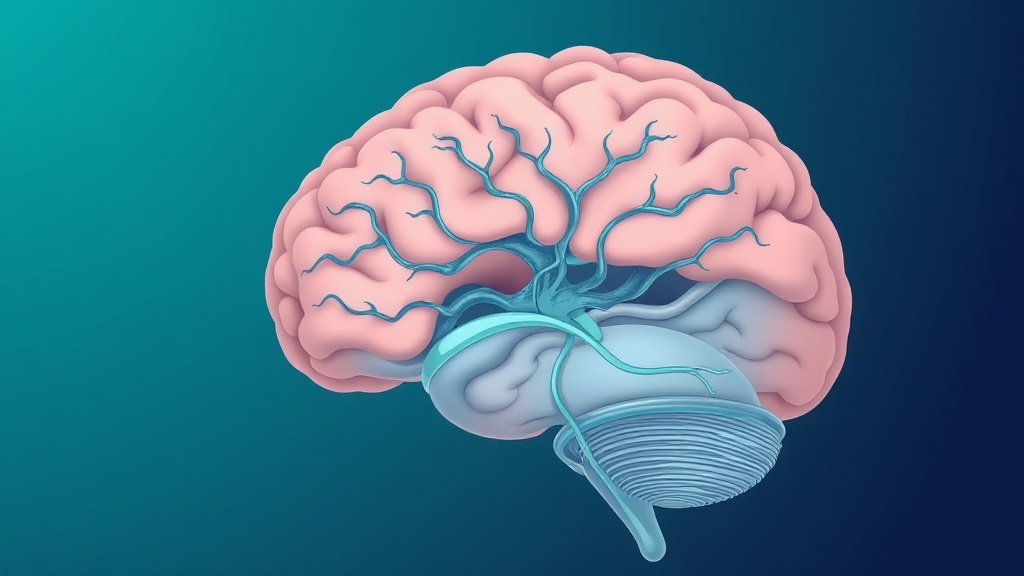
Brain cleaning relies on the glymphatic system, a drainage network unique to the brain that was identified in the 2010s. Unlike the rest of the body, the brain has no classic lymphatic vessels: it uses cerebrospinal fluid (CSF) to flush out its waste.
Several mechanisms switch on during this stage:
- Interstitial space widens: glial cells shrink, and the space between neurons grows by about 60%, letting fluid move more freely.
- CSF waves: cerebrospinal fluid pulses into brain tissue in rhythmic waves, synchronized with slow brain waves.
- Waste clearance: toxic metabolites, including beta amyloid peptide and tau protein, are pushed out into the bloodstream.
- Aquaporin 4 channels: these water channels on astrocytes help exchange fluid between the CSF and the interstitial fluid.
This mechanism works far more efficiently during sleep than while awake: the brain does its housekeeping literally at night.
What the Science Says
The foundational demonstration dates back to 2013. A team at the University of Rochester showed in mice that sleep comes with a 60% increase in interstitial space and a marked acceleration of beta amyloid clearance (Xie et al., Science, 2013). Sleep, then, is not simple rest but an active period of neurotoxic waste removal.
In 2019, a human brain imaging study confirmed the phenomenon: during slow wave sleep, large waves of cerebrospinal fluid flow into the brain, coupled with slow brain waves and changes in blood flow (Fultz et al., Science, 2019). The slow waves that define deep sleep act as the engine behind this cleaning process.
The NHS notes that poor sleep quality or quantity raises the risk of numerous health problems and that this stage is crucial for metabolism and the brain (NHS guidance on sleep and tiredness).
Deep Sleep and Longevity
The link between this sleep stage and longevity comes down to one word: clearance. By flushing out beta amyloid and tau protein every night, the glymphatic system delays the buildup of the aggregates involved in Alzheimer’s disease and other neurodegenerative diseases. A chronic deficit in this stage lets that waste accumulate.
This stage also shapes the major levers of healthspan: it regulates growth hormone secretion, modulates chronic low grade inflammation (inflammaging), and supports memory consolidation. Protecting this stage therefore means protecting both the brain and the body over the long run.
In Practice: How to Support This Sleep Stage
Deep sleep cannot be forced, but several factors encourage or sabotage it. The most effective levers act on regularity, temperature and light.
- Regularity: going to bed and waking up at fixed times stabilizes the biological clock and increases the share of slow wave sleep.
- Light: good morning light exposure sharpens the day and night contrast and helps you fall asleep.
- Coolness: a bedroom around 18°C (64°F) supports the drop in body temperature this restorative sleep needs.
- Alcohol and screens: evening alcohol and late blue light fragment and reduce slow wave sleep.
Some disorders sabotage this stage directly. Sleep apnea fragments the cycles and prevents the brain from reaching the deep stages; it is worth screening for if you snore and wake up tired. For trouble falling asleep, melatonin can help reset the biological clock.
| Lever | Action | Effect on sleep quality |
|---|---|---|
| Regularity | Fixed bed and wake times, including weekends | Stabilizes the biological clock, increases slow wave sleep |
| Morning light | 10 to 20 minutes of natural light after waking | Sharpens the day and night contrast |
| Room temperature | Cool bedroom around 18°C (64°F) | Supports the body temperature drop needed for restorative sleep |
| Alcohol and screens | Avoided in the hours before bed | Prevents fragmentation of slow wave sleep |
Protocol to Maximize Your Brain’s Nightly Cleanup
Here is a simple protocol to follow over a few weeks to increase the amount and quality of your restorative sleep:
- Set a constant bedtime, weekends included, with no more than a 30-minute swing.
- Get natural light exposure within an hour of waking, for 10 to 20 minutes.
- Stop caffeine after 2 p.m.: its long half-life eats into slow wave sleep early in the night.
- Avoid alcohol and heavy meals in the 3 hours before bed.
- Cool the bedroom (17 to 19°C, or 63 to 66°F), make it fully dark, and turn off screens 60 minutes before bed.
- Get regular physical activity during the day, which increases the drive for slow wave sleep.
Frequently Asked Questions
How much deep sleep do you need each night?
In adults, deep sleep makes up about 15 to 25% of the night, or 1 to 2 hours for a 7 to 8 hour night. This share declines with age.
Does a lack of this sleep stage raise the risk of Alzheimer’s disease?
Insufficient slow wave sleep reduces beta amyloid clearance and is associated with a higher risk of cognitive decline. Sleep is one prevention factor among several, not a single cause.
Does a nap support brain cleaning?
A short nap mostly brings light sleep. Glymphatic cleaning peaks during the slow wave sleep of the night, which is longer and more intense.
How can you tell if you are getting enough restorative sleep?
Waking up rested, without frequent night wakings, is a good sign. Wearable trackers give an imperfect but useful estimate for following a trend.
Medical disclaimer. The information provided here is for informational purposes only and does not constitute medical advice. It does not replace a consultation. Ask a healthcare professional before changing your diet, taking dietary supplements or starting a new practice, especially if you have a medical condition, are pregnant or are under treatment. Dietary supplements do not replace a balanced diet or medical follow-up.