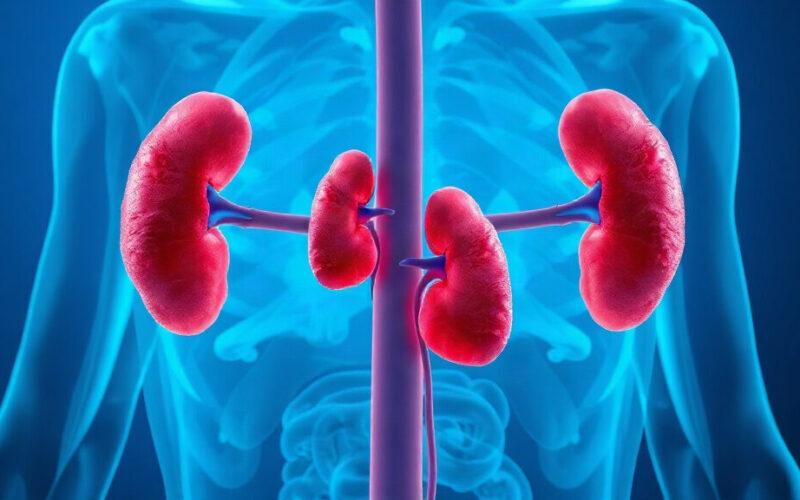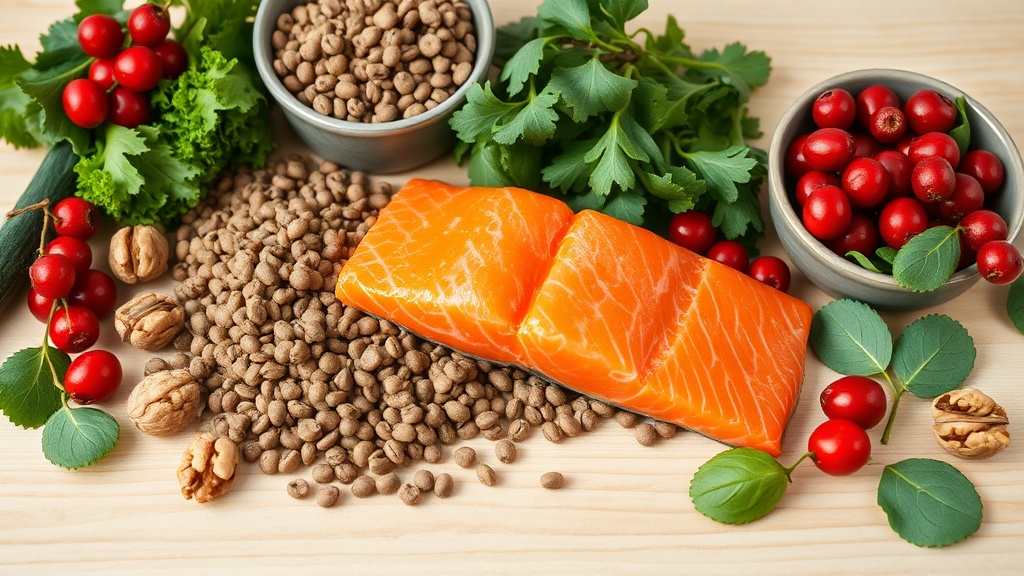
After age 50, what’s on your plate becomes one of the strongest levers for healthy aging. The body changes: muscle mass declines, protein and micronutrient needs rise, and the risk of chronic disease climbs. The good news is that a handful of longevity foods, eaten regularly, help protect muscle, heart and brain. None of them is exotic or expensive: all five are common, affordable staples that fit easily into a weekly grocery list. Here are the five foods worth prioritizing after 50 to support long-term health.
In brief – Five longevity foods stand out in the science for people over 50: fatty fish for the heart and brain, legumes (the strongest single dietary predictor of survival in one landmark study, cutting mortality risk 7 to 8% for every 20 g eaten daily), berries rich in protective antioxidants, nuts (linked to lower mortality in a study of nearly 120,000 people), and leafy greens for their vitamin K, folate and blood-pressure-friendly nitrates. None of these longevity foods works alone. Eaten together, several times a week, they help preserve muscle mass, cardiovascular health and cognitive function as the body’s needs shift with age.
Why longevity foods matter more after 50
Past age 50, several physiological shifts make it worth adjusting what’s on the plate:
- Muscle loss: sarcopenia sets in, raising the need for high-quality protein.
- Inflammation: low-grade chronic inflammation increases with age.
- Nutrient density: for the same number of calories, foods packed with micronutrients matter more.
These five food families check all three boxes and align with the recommendations for a healthy diet from the World Health Organization. Unlike a restrictive diet built around what to cut out, this approach focuses on what to add, which tends to be easier to sustain over the years.
1. Fatty fish
Salmon, mackerel, sardine and herring are rich in omega-3 fatty acids, which support the heart, the brain and the fight against inflammation. Two servings a week are enough to cover most needs and contribute to cardiovascular longevity.
2. Legumes
Lentils, chickpeas and beans are among the most consistent dietary markers of longevity. A study following several older populations found legumes to be the single strongest dietary predictor of survival, with mortality falling 7 to 8% for every 20 g eaten per day (Darmadi-Blackberry et al., Asia Pac J Clin Nutr, 2004). Rich in fiber and plant protein, they are filling and help stabilize blood sugar.
3. Berries
Blueberries, blackberries, strawberries and raspberries are packed with polyphenols and anthocyanins, antioxidants that protect blood vessels and neurons. Several studies link regular berry consumption to slower cognitive decline, a valuable asset for brain health in later decades.
4. Nuts
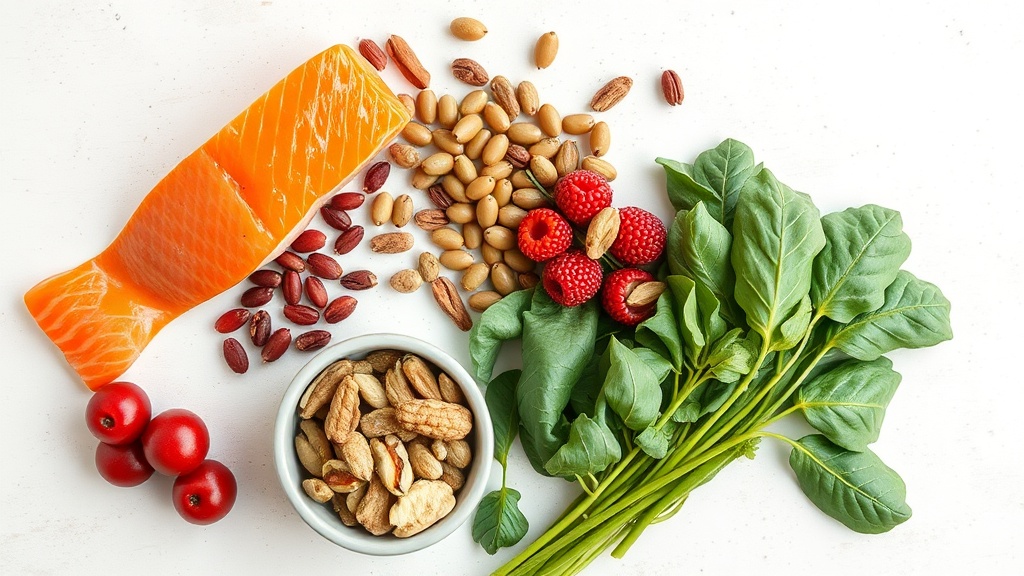
Almonds, walnuts and hazelnuts provide healthy fats, fiber and magnesium. A large study of nearly 120,000 people found that daily nut consumption was linked to lower mortality (Bao et al., New England Journal of Medicine, 2013). A small handful a day is enough; there is no need to overdo it, since nuts remain calorie-dense.
5. Leafy greens
Spinach, broccoli, kale and arugula are concentrated sources of vitamins (K, folate), fiber and nitrates that support healthy blood pressure. Low in calories and highly filling, they form the base of a longevity-focused plate. The goal: fill half the plate with them at each main meal.
Putting these longevity foods into practice
None of this requires overhauling your diet overnight. These longevity foods fit easily into an everyday routine:
- Fatty fish twice a week, in place of red meat.
- Legumes at least three times a week, as a main dish or a side.
- A handful of berries and a small handful of nuts every day.
- Leafy greens at every meal, raw or cooked.
This way of eating echoes the broader principles laid out in our 10 habits for a longer life, where diet ranks first. Dark chocolate can round out the picture in moderation. Swapping one processed snack for a handful of nuts or berries each day is often the easiest first step, and it tends to stick precisely because it does not feel like a sacrifice.
| Food family | Key nutrients | Suggested amount |
|---|---|---|
| Fatty fish | Omega-3 fatty acids | 2 servings a week |
| Legumes | Fiber, plant protein | 3 or more servings a week |
| Berries | Polyphenols, anthocyanins | A handful daily |
| Nuts | Healthy fats, magnesium | A small handful daily |
| Leafy greens | Vitamin K, folate, nitrates | Half the plate at main meals |
Frequently asked questions
Which foods should you prioritize after 50 for longevity?
Fatty fish, legumes, berries, nuts and leafy greens are among the longevity foods best supported by science for preventing chronic disease and supporting a longer, healthier life.
Do you need more protein after 50?
Yes, protein needs rise to help preserve muscle mass. Legumes, fish and eggs are excellent sources to spread across the day.
Are these foods enough on their own?
No. They are part of a broader lifestyle: physical activity, sleep and stress management matter just as much for long-term health. Diet works best as one piece of a wider set of habits rather than a fix on its own.
Are frozen berries just as good?
Yes. Frozen berries keep most of their antioxidants and are often more affordable and convenient year round.
Medical disclaimer. This article is provided for informational purposes only and does not replace medical advice. If you have a kidney or heart condition, a tree nut allergy, or are on anticoagulant medication (possible interactions with the vitamin K found in leafy greens), ask a healthcare professional for guidance.