Iodine and thyroid: this biological duo sets the pace of your metabolism. Without enough dietary iodine, the thyroid cannot produce its hormones T3 and T4, which regulate body temperature, cellular energy production and the rate at which the body burns calories. A large part of Europe remains in mild to moderate deficit, often without knowing it.
In brief – Iodine and thyroid function describe a mandatory biological relationship: this trace element is the raw material for the thyroid hormones T3 and T4, which drive basal metabolism. The thyroid gland captures circulating iodine and incorporates it into thyroglobulin; without a sufficient intake (150 mcg per day in adults), hormone production slows and metabolism becomes disrupted. A landmark review (Zimmermann, Endocrine Reviews, 2009) estimates that around 2 billion people worldwide have an insufficient iodine intake, with nearly half of Europeans in mild to moderate deficit. Conversely, excess iodine, from seaweed or poorly dosed supplements, can also disrupt the thyroid. Balance, not the highest possible dose, is what protects metabolism.
Definition: why iodine and thyroid function are linked
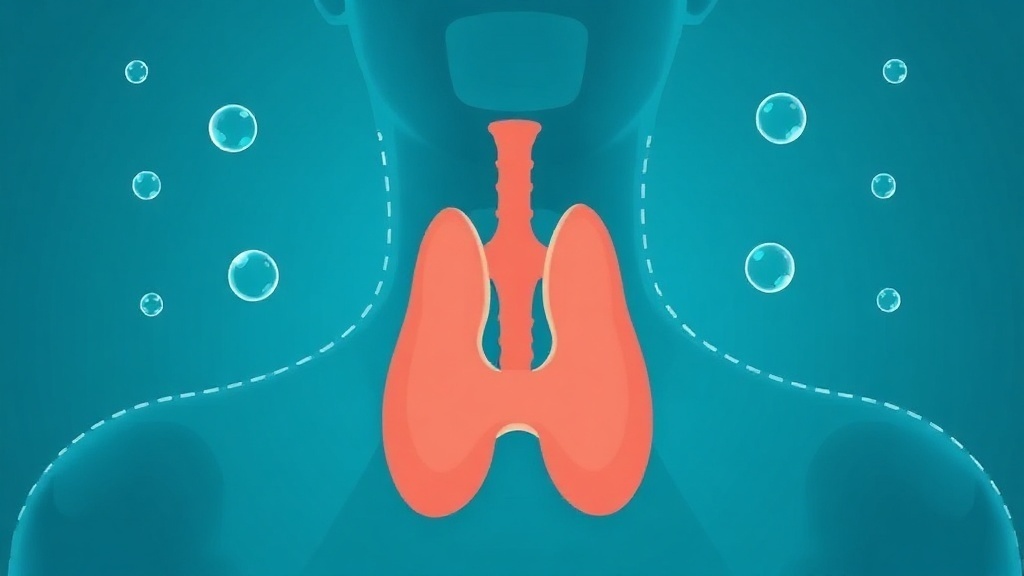
The thyroid is a small, butterfly-shaped gland at the base of the neck that secretes the hormones T3 (triiodothyronine) and T4 (thyroxine). Both hormones carry iodine in their name for good reason: each T4 molecule contains four iodine atoms, and each T3 molecule contains three. The iodine and thyroid connection is therefore not a marketing pairing but a biochemical reality: without iodine, hormone synthesis literally stops.
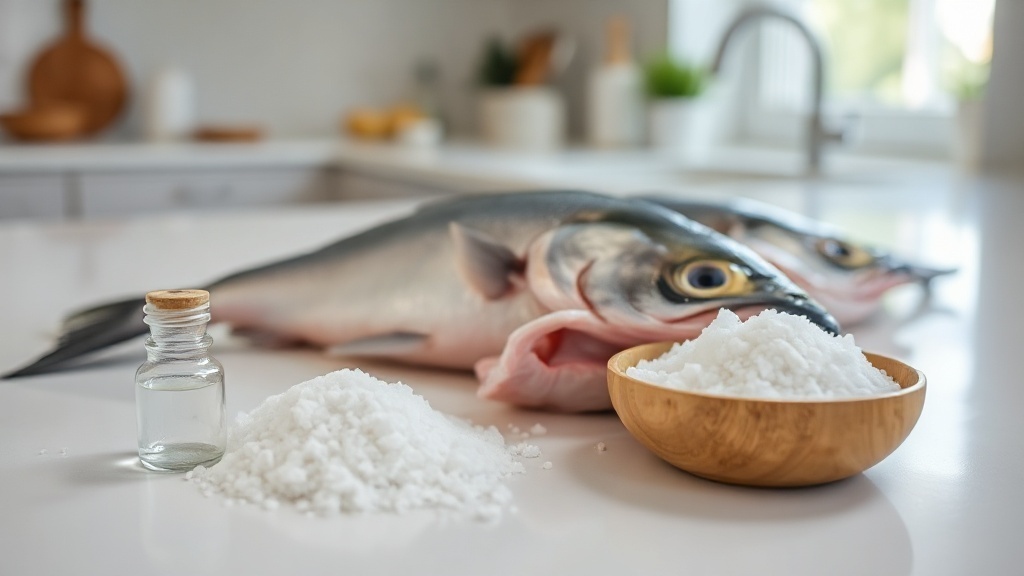
The body cannot make iodine: it must come from food (fish, seafood, dairy products, iodized salt, eggs) and is then actively captured by thyroid cells through a dedicated transporter, the sodium/iodine symporter (NIS).
Mechanism: how iodine becomes thyroid hormone
The thyroid concentrates blood iodine to 20 to 40 times its plasma level. Once captured, the gland incorporates it into a protein, thyroglobulin, to produce T3 and T4, which are then released into the bloodstream according to the body’s needs, under the control of pituitary TSH.
- Capture of circulating iodine by the thyroid’s sodium/iodine symporter (NIS).
- Oxidation and binding of iodine onto thyroglobulin (organification).
- Coupling of iodinated residues to form T3 and T4.
- Controlled release by TSH according to metabolic needs.
- Action of T3 and T4 on nearly every tissue: heart, muscles, brain, fat tissue.
This mechanism explains why chronic iodine deficiency shows up as fatigue, feeling cold and an overall metabolic slowdown: the hormonal machinery idles for lack of raw material. This balance therefore plays out at the cellular level, long before the first symptoms appear.
What the science says about iodine and thyroid function
The scientific literature on this topic is long-standing and solid, but it keeps being reassessed as dietary intakes shift. A landmark review by Zimmermann (2009) in Endocrine Reviews puts the number of people worldwide with insufficient iodine intake at around 2 billion, and the share of Europeans in mild to moderate deficiency at close to 50%, despite salt iodization (Zimmermann 2009, PubMed).
In pregnant women, needs rise sharply because the fetus depends entirely on maternal iodine for its own thyroid and neurological development. A French study conducted in the Lyon region on 228 pregnant women measured a median urinary iodine concentration of only 81 mcg/L, well below the 150 mcg/L adequacy threshold, and linked to significantly higher serum thyroglobulin than in non-pregnant women (16.2 mcg/L versus 11.7 mcg/L, p=0.02) (Raverot et al. 2012, PubMed). A Spanish study of 1,844 pregnant women also found that supplementation of 200 mcg per day or more was associated with a higher risk of elevated TSH compared with an intake below 100 mcg per day (adjusted OR 2.5, 95% CI 1.2 to 5.4) (Rebagliato et al. 2010, PubMed), a reminder that more is not always better.
Excess iodine is in fact a distinct problem from deficiency. A review by Farebrother, Zimmermann and Andersson (2019) catalogs the sources of excessive intake (over-iodized salt, seaweed such as kombu, dietary supplements) and their possible effects: hyperthyroidism, hypothyroidism, goiter or an autoimmune flare, particularly in people already weakened by a past deficiency (Farebrother et al. 2019, PubMed). The NIH Office of Dietary Supplements flags the same risk for seaweed-based supplements, noting that the European Food Safety Authority (EFSA) has set the safe upper intake level for adults at 600 mcg per day (NIH Office of Dietary Supplements, Iodine fact sheet).
In practice: intake, at-risk groups and diet
The recommended intake for an adult is 150 mcg of iodine per day, a threshold that rises during pregnancy or breastfeeding. Iodized salt remains the most effective public health strategy against deficiency, but it is not always enough: salt consumption has fallen, driven by cardiovascular guidelines, which mechanically lowers the population’s iodine intake.
| Profile | Recommended intake | Main sources |
|---|---|---|
| Adult | 150 mcg/day | Fish, dairy products, iodized salt, eggs |
| Pregnant woman | 200 mcg/day | Same sources, plus attention to whether needs are actually met |
| Breastfeeding woman | 200 mcg/day | Same, including the infant’s needs |
| Child (1 to 8 years) | 90 to 120 mcg/day | Dairy products, iodized salt in home cooking |
People who avoid dairy products, fish and iodized salt (strict vegan diets, sodium restrictions) are most exposed to deficiency. At the other extreme, heavy consumers of seaweed (excess kombu or wakame) or poorly dosed supplements risk an excess. Beyond iodine intake alone, this balance also depends on two cofactors: zinc and selenium both play a role in thyroid metabolism. The former helps convert T4 to T3, while the latter protects the gland from the oxidative stress generated by hormone synthesis, two topics covered in our zinc and selenium guides. To place this mechanism within the broader regulation of cellular energy, our article on insulin resistance covers another major metabolic axis worth watching.
Protocol: how to adjust iodine intake without overdoing it
No self-directed step replaces medical advice for a known or suspected thyroid disorder (persistent fatigue, unexplained weight gain or loss, a visible goiter). For the general population, a few simple guidelines are enough to maintain the balance, without tipping into deficiency or excess.
- Choose iodized salt for everyday cooking, without increasing the total amount used.
- Eat fish or seafood once or twice a week.
- Avoid self-supplementing with iodine without a blood test or prior medical advice.
- Limit regular consumption of raw seaweed high in iodine, kombu in particular.
- Get your thyroid (TSH) checked if symptoms persist, especially in early pregnancy.
The clinical picture of a thyroid short on iodine often stays subtle: fatigue, feeling cold, gradual weight gain, dry skin. These signs are not specific and do not replace a blood test, the only reliable way to confirm an imbalance between iodine and thyroid function.
Frequently asked questions
What is the link between iodine and thyroid function in weight loss?
Iodine does not directly cause weight loss. It allows the thyroid to produce T3 and T4, which regulate basal metabolism and therefore resting energy expenditure. Severe deficiency can slow this metabolism and favor weight gain, but a normal or excess intake does not speed up weight loss in someone whose iodine status is already adequate.
Which foods are rich in iodine?
The main sources are saltwater fish, seafood, seaweed (in moderation), dairy products and eggs, as well as iodized salt used in cooking. Land-based plant foods naturally contain very little iodine, which puts strictly vegan diets at risk of deficiency.
What are the signs of iodine deficiency?
The most common signs are fatigue, feeling cold, dry skin, gradual weight gain and, in more pronounced cases, a goiter (visible swelling of the neck). These symptoms remain non specific: only a blood TSH test can confirm an iodine-related thyroid disorder.
Can you take too much iodine?
Yes. Excess iodine, often linked to dietary supplements or heavy seaweed consumption, can trigger hyperthyroidism, hypothyroidism or an autoimmune flare, particularly in people already weakened by a past deficiency. The European Food Safety Authority sets the safety limit for adults at 600 mcg per day.
Is iodized salt enough to cover needs?
For a large part of the population, yes, provided intake is regular. But the general reduction of salt in the diet, driven by cardiovascular prevention, also lowers the associated iodine intake. That is why certain groups, pregnant women in particular, remain in deficit despite using iodized salt.
Medical disclaimer. The information provided here is for informational purposes only and does not constitute medical advice. It does not replace a consultation. Ask a healthcare professional before changing your diet, taking dietary supplements or starting a new practice, especially if you have a medical condition, are pregnant or are under treatment. Dietary supplements do not replace a balanced diet or medical follow-up.