Microplastics risks have moved from hypothesis to documented finding: several research teams detected these particles in human blood, placenta and brain tissue between 2022 and 2025. These plastic fragments, smaller than 5 millimeters (0.2 inches), come from the breakdown of packaging, synthetic textiles and everyday objects. This article reviews what published studies actually establish about the health risks, and which habits measurably reduce exposure.
In brief – Microplastics are plastic particles smaller than 5 millimeters (0.2 inches), ingested or inhaled through water, food and indoor air. A Dutch study detected plastic in the blood of 17 out of 22 donors (Leslie et al., 2022). An Italian study published in the New England Journal of Medicine found that patients carrying microplastics in their carotid artery plaques had a risk of heart attack, stroke or death 4.5 times higher over 34 months of follow up (Marfella et al., 2024). A US team found these particles in the frontal cortex of human brains, at higher concentrations in people with dementia (Nihart et al., 2025). The World Health Organization currently rates the risk from drinking water as low, while acknowledging a lack of data on cumulative exposure. These findings remain statistical associations, not proof of direct causation in humans, and the full scope of microplastics risks is still being defined.
Definition: What Exactly Are Microplastics?
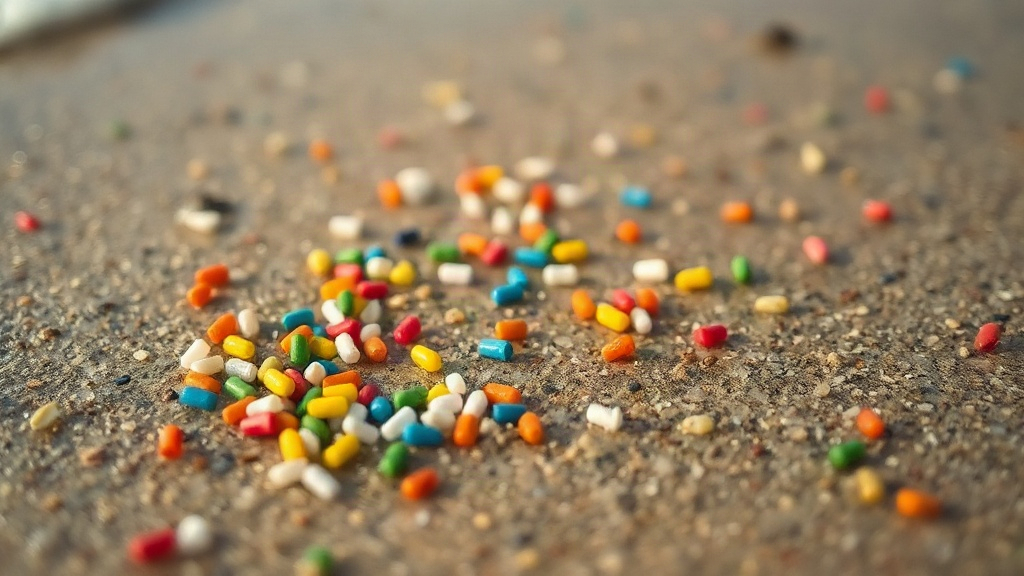
A microplastic is a fragment of plastic material smaller than 5 millimeters (0.2 inches) in size. Below 1 micrometer, the particle is called a nanoplastic, small enough to cross certain biological barriers such as the intestinal wall. So called primary microplastics are manufactured directly at this size (beads in exfoliating cosmetics, industrial pellets), while secondary ones come from the gradual breakdown of larger objects: bottles, food packaging, tires, and polyester or acrylic clothing. France’s food safety agency (Anses) has catalogued a cocktail of polymers, including polyethylene, polypropylene, PET and polystyrene, found in water, milk, tea bags, fruit, vegetables and seafood.
Mechanism and Exposure Sources
Human exposure to microplastics follows three main pathways: ingestion, inhalation and, more marginally, skin contact. Once inside the body, the finest particles can cross the intestinal or alveolar wall and circulate in the blood, which explains their detection in tissues far from the digestive tract.
- Tap water and bottled water: contamination through pipes, the bottle cap and the bottling process itself.
- Synthetic textiles: every wash of polyester or acrylic releases microfibers into wastewater.
- Heated containers: a plastic container microwaved or filled with very hot liquid releases more microplastics.
- Household dust: furniture, flooring and plastic objects degrade slowly and contribute to indoor air.
- Food packaging and tea bags: some nylon or PET tea bags release billions of particles per cup brewed at high temperature.
The biological mechanisms studied in the laboratory point to local oxidative stress, activation of immune cells on contact with microplastics, and possible transport of chemical substances adsorbed onto their surface. These pathways are documented mainly in vitro and in animals; their exact relevance to humans is still being evaluated.
Microplastics Risks: What the Science Shows
The strongest signal to date comes from a study by Marfella and colleagues, published in the New England Journal of Medicine in 2024: among 257 patients who underwent carotid plaque surgery, those in whom microplastics and nanoplastics were identified in the removed tissue had a 4.5 times higher risk of death, heart attack or stroke after 34 months of follow up (HR 4.53, 95% CI 2.00 to 10.27) (PMID 38446676). This is an observational association, not a controlled trial: the patients involved may share other unmeasured risk factors.
In 2022, Leslie and colleagues developed a pyrolysis method coupled with mass spectrometry to analyze the blood of 22 healthy adults. Seventeen of the 22 samples contained detectable plastic particles, with PET (bottles, textiles) and polystyrene as the most common polymers (Environment International, 2022, PMID 35367073). The study says nothing about the toxicity of these microplastics once in circulation, only about their presence.
More recently, Nihart and colleagues analyzed brain, liver and kidney samples collected in 2016 and in 2024. Microplastic concentrations in the frontal cortex were markedly higher in 2024, and higher still in people who had received a dementia diagnosis (Nature Medicine, 2025, PMID 39901044). The authors themselves stress that a causal link with dementia has not been demonstrated: older or sicker people may simply accumulate more particles over time, without those particles causing the disease.
Faced with these signals, the European Food Safety Authority notes that no study has yet measured the effect of the real, everyday cocktail of ingested microplastics on human health, and that toxicity data still come mainly from animal or cell models. The World Health Organization, for its part, concluded in 2019 that microplastics in drinking water posed only a low risk for now, while calling for plastic pollution to be reduced as a precaution and for the gaps in knowledge about cumulative exposure to be filled.
In Practice: Should You Worry Day to Day?
Scientific caution is warranted: the available studies show associations, not a complete causal chain between dietary microplastics exposure and disease. The table below summarizes the most documented exposure sources and the concrete habits that reduce them, without turning daily life into a list of prohibitions.
| Exposure source | Main vector | Reduction habit |
|---|---|---|
| Bottled plastic water | Cap, bottling process | Prefer filtered tap water or a filter jug |
| Plastic coated tea bags | Brewing at high temperature | Choose loose leaf tea or unbleached paper bags |
| Microwaved containers | Heat accelerated migration | Reheat food in glass or ceramic containers |
| Washed synthetic textiles | Microfibers released into wastewater | Use a microfiber filter bag or wash cold on a short cycle |
| Household dust | Wear of plastic objects and surfaces | Regular airing and vacuuming with a HEPA filter |
This topic overlaps with our article on paper and plastic cups, one of the most common exposure sources and one of the easiest to reduce day to day. The oxidative stress and immune activation mechanisms raised by these studies also connect to what is known about age related chronic inflammation, linked to the altered intercellular communication hallmark of aging. On the popular idea of purifying the body, our article on detox: what the science really shows already separates what the evidence supports from what belongs to marketing.
Protocol: Reducing Exposure Without Overreacting
No protocol can completely eliminate microplastics from a modern lifestyle. A few simple adjustments, consistent with the precautionary recommendations of France’s food safety agency (Anses) and the WHO, nonetheless reduce a measurable share of daily microplastics exposure.
- Filter tap water rather than routinely drinking water from plastic bottles.
- Avoid heating food or liquids in a plastic container, even one labeled microwave safe.
- Favor glass, stainless steel or ceramic for storing and carrying meals.
- Air out the home daily and dust surfaces regularly, since dust is an inhaled route of exposure.
- Reduce how often synthetic clothes are washed and favor short, low temperature cycles.
These habits follow the precautionary principle rather than treating a medically established risk: they reduce measured exposure, even though a causal link with a specific disease has not yet been demonstrated in humans.
Frequently Asked Questions About Microplastics Risks
What exactly is a microplastic?
A microplastic is a plastic fragment whose largest dimension is smaller than 5 millimeters (0.2 inches). It can be manufactured directly at this size, as with certain cosmetic beads, or come from the gradual breakdown of a larger object: a bottle, packaging, a tire or synthetic fabric. Below 1 micrometer, the particle is called a nanoplastic.
Do microplastics cause cancer or chronic disease?
No study has established a direct causal link between microplastics exposure and cancer in humans. Available data show statistical associations, such as the increased cardiovascular risk observed by Marfella and colleagues in patients with microplastics in their carotid plaques. The mechanisms proposed (oxidative stress, inflammation) are documented in the laboratory but not yet confirmed as a cause of disease in humans.
How can you reduce your exposure to microplastics day to day?
A few habits reduce a measurable share of exposure: filtering tap water, avoiding heating food in plastic, favoring glass or stainless steel, airing and dusting the home, and washing synthetic textiles less often at high temperatures. No single habit eliminates exposure completely in a modern environment.
What is the difference between microplastics and nanoplastics?
Microplastics range from 1 micrometer to 5 millimeters, while nanoplastics are smaller than 1 micrometer. This size difference changes their biological behavior: nanoplastics, being smaller, cross certain barriers more easily, such as the intestinal wall or the blood brain barrier, which explains their detection in tissues like the brain.
Medical disclaimer. The information provided here is for informational purposes only and does not constitute medical advice. It does not replace a consultation. Ask a healthcare professional before changing your diet, taking dietary supplements or starting a new practice, especially if you have a medical condition, are pregnant or are under treatment. Dietary supplements do not replace a balanced diet or medical follow-up.