L-theanine is an amino acid found in tea, sold in capsules to promote calm, focus and sleep. It occurs naturally in the leaves of Camellia sinensis: a cup of black tea provides about 20 mg, while supplements contain 100 to 400 mg. In 2026, a French meta-analysis of 31 trials took stock of its real effects. Here is what has been demonstrated, the dose used in studies and the precautions to know before taking it.
In brief – L-theanine is an amino acid unique to tea that promotes a state of wakeful relaxation, without drowsiness at the doses studied. A meta-analysis of 31 randomized trials published in 2026 (1,168 participants) shows a clear effect on attention: 200 mg taken 30 to 60 minutes before a task improves reaction time. The effect on acute stress remains modest and rests mainly on low-quality studies. For sleep, a meta-analysis of 18 trials finds a small to moderate improvement in perceived sleep, often with ingredient blends. In patients with generalized anxiety disorder, 8 weeks of treatment did no better than placebo. Trials use 200 to 400 mg per day and report no serious adverse effects. Data are lacking for pregnancy, breastfeeding and children.
L-theanine: definition and food sources
L-theanine, or gamma-glutamylethylamide, is a so-called non-proteinogenic amino acid: the body does not use it to build proteins. It is found almost exclusively in the leaves of the tea plant, where it contributes to the sweet, umami flavor of the brew. Its chemical structure resembles that of glutamate, the brain’s main excitatory messenger. This kinship explains why neuroscientists are so interested in the molecule.
Dietary intake remains low. A cup of black tea contains about 20 mg of L-theanine, according to a team that tested its effects at realistic dietary doses (Nobre et al., 2008). Green teas shaded before harvest, such as gyokuro or matcha, contain more, because sunlight converts part of the theanine into catechins. A 200 mg supplement of L-theanine is therefore equivalent to about ten cups.
On the label, the letter “L” refers to the natural form of the molecule, the one found in tea. L-theanine is also the form tested in the clinical trials presented below. Manufacturers usually obtain it by fermentation or by enzymatic synthesis, not by direct extraction from the leaves.
How L-theanine acts on the brain
L-theanine passes quickly from the digestive tract into the blood, then crosses the barrier that protects the brain to act on neurons. In a German crossover trial in 12 volunteers, blood levels peaked 48 minutes after 100 mg, whether the dose was taken as a capsule or in a cup of green tea (Scheid et al., 2012). The mechanisms described in human studies are as follows:
- Its resemblance to glutamate allows it to limit the binding of this neurotransmitter to its receptors, which dampens the excitation of neurons in the cortex.
- It increases alpha wave activity on the electroencephalogram, a rhythm associated with wakeful relaxation and selective attention.
- It blunts the activation of the sympathetic nervous system during acute stress, so the heart rate rises less.
- Part of the molecule is broken down into ethylamine and glutamic acid, two compounds that could also contribute to its effects.
The effect on alpha waves appears from 50 mg, the equivalent of two to three cups of tea. In the Nobre study, 16 volunteers on L-theanine showed a sharper rise in this activity than 19 volunteers on placebo, between 45 and 105 minutes after intake. The anti-stress effect was measured in 12 participants given a mental arithmetic task. L-theanine reduced the rise in heart rate and in salivary immunoglobulin A, two markers of the stress response (Kimura et al., 2007).
These mechanisms are plausible, but they rest on small samples. They explain why the molecule is described as calming without being sedating. It quiets nervous excitation, without the drowsiness that a sleeping pill causes.
What the science says about L-theanine
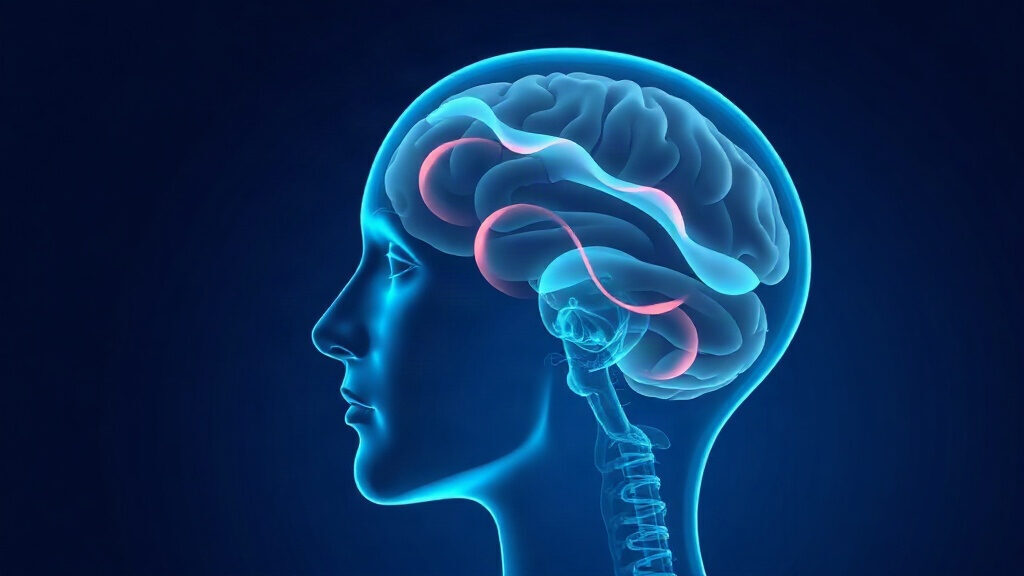
L-theanine reliably improves short-term attention, whereas its effects on stress, anxiety and sleep remain modest or uncertain. That is the conclusion of the most comprehensive meta-analysis to date, published in 2026 by a psychiatry team at AP-HM, the public hospital system of Marseille. It pools 31 randomized placebo-controlled trials and 1,168 participants (Gerolymos et al., 2026).
Attention and reaction time. A single 200 mg dose, taken 30 to 60 minutes before a test, improves choice reaction time with an effect size of 0.51, a medium effect by statistical conventions. In 30 Japanese adults with a mean age of 48, four weeks at 200 mg per day also improved verbal fluency and executive function (Hidese et al., 2019). In adults aged 50 to 69, a single dose shortened reaction time on the Stroop test (Baba et al., 2021). Both trials were funded by theanine producers or used tablets supplied by them.
Acute stress and perceived stress. The drop in stress after a single dose reaches an effect size of only 0.31, and the Marseille authors note that it depends mainly on studies at high risk of bias. A 28-day Canadian trial at 400 mg per day, in 30 moderately stressed adults, illustrates this well. The perceived stress score fell by 18.0% on theanine, but also by 17.9% on placebo, and salivary cortisol did not differ between the groups (Moulin et al., 2024). A systematic review of 9 trials estimates that 200 to 400 mg per day might help people facing a stressful situation, while calling for longer studies (Williams et al., 2020).
Generalized anxiety disorder. In 46 patients already taking an antidepressant, 450 to 900 mg per day for 8 weeks did no better than placebo on the Hamilton anxiety scale (p = 0.73), nor on insomnia severity (Sarris et al., 2019). Only satisfaction with sleep improved. The 2026 meta-analysis confirms that the effects on anxiety are inconsistent from one study to the next and non-significant overall.
Sleep. An Australian meta-analysis pooled 19 trials and 897 participants, with 18 trials analyzed together (Bulman et al., 2025). It found an improvement in perceived sleep quality (effect size 0.43), in daytime functioning (0.33) and, very slightly, in the time taken to fall asleep (0.15). The authors regret the lack of trials on L-theanine alone, as several studies tested combinations with GABA or milk peptides. In 98 boys aged 8 to 12 with ADHD, 400 mg per day for 6 weeks improved sleep efficiency measured at the wrist, without shortening the time taken to fall asleep (Lyon et al., 2011).
Combination with caffeine. The best-studied combination pairs L-theanine with caffeine, as in a cup of tea. A meta-analysis of 11 trials found moderate effects on alertness and on the ability to switch from one task to another within 2 hours of intake, with caffeine weighing more heavily than theanine in the result (Camfield et al., 2014). With 100 mg of L-theanine and 50 mg of caffeine, 27 volunteers were faster and more accurate on a task-switching exercise (Owen et al., 2008).
| Target effect | Main data | Level of evidence |
|---|---|---|
| Short-term attention | 31 trials, 200 mg single dose, effect size 0.51 | Strong |
| Alertness with caffeine | 11 trials, moderate effect for 2 hours | Moderate |
| Perceived sleep quality | 18 trials, effect size 0.43, often in combination | Low to moderate |
| Acute stress | Effect size 0.31, studies at high risk of bias | Low |
| Perceived stress over 28 days | 400 mg per day, same drop as placebo | Not demonstrated |
| Generalized anxiety disorder | 46 patients, 8 weeks, no effect on anxiety | Not demonstrated |
L-theanine in practice: who it is for and when
L-theanine is aimed first and foremost at healthy adults who want to stay focused in a demanding situation, or to ease the jitters that coffee can bring. It does not replace treatment for an anxiety disorder. In France, national health authority figures indicate that 15% of adults aged 18 to 65 have a severe anxiety disorder in a given year, and the US National Institute of Mental Health describes these conditions and how they are treated (NIMH, anxiety disorders).
For tea drinkers, the question of a supplement hardly arises. Several cups of green tea naturally provide theanine, caffeine and polyphenols, whose links with longevity are detailed in our article on green tea and EGCG. For coffee lovers prone to jitters, the combination of the two molecules has been tested in the lab, and our feature on coffee and longevity sets out sensible intake benchmarks.
Against chronic stress, L-theanine remains an add-on, not a strategy. Sleep, physical activity and cortisol regulation have far more evidence behind them, as our guide to high cortisol and how to lower it shows. These exchanges between the nervous system, hormones and immunity are grouped in our pillar on altered intercellular communication.
| Goal studied | Dose tested | Timing | Main result |
|---|---|---|---|
| Wakeful relaxation | 50 mg | 45 to 105 min before measurement | Rise in alpha waves |
| Short-term focus | 200 mg | 30 to 60 min before the task | Improved reaction time |
| Alertness with caffeine | 100 mg plus 50 mg of caffeine | 60 to 90 min before the task | Faster task switching |
| Stress and cognition over 4 weeks | 200 mg per day | Once daily | Improved verbal fluency |
| Perceived stress over 28 days | 400 mg per day | Once daily | No difference from placebo |
| Generalized anxiety over 8 weeks | 450 to 900 mg per day | Added to an antidepressant | No difference from placebo |
L-theanine dosage, timing and precautions
The best-documented dose is 200 mg of L-theanine, taken 30 to 60 minutes before you need to be focused or composed. Daily trials use 200 to 400 mg per day for 4 to 12 weeks, and the 2026 meta-analysis reports no serious adverse effects. The following guidelines follow from these studies:
- Start with 100 to 200 mg and observe the effect over several days before considering a higher dose.
- For an exam or a meeting, take the dose 30 to 60 minutes beforehand, possibly with a cup of tea.
- With caffeine, follow the EFSA benchmarks: no more than 200 mg of caffeine at a time and 400 mg per day for healthy adults (EFSA, caffeine).
- In the evening, avoid combining it with caffeine, as 100 mg of caffeine close to bedtime can already disturb sleep according to EFSA.
- Do not continue beyond 12 weeks, the longest duration tested in trials, without reviewing it with a healthcare professional.
- Choose a product that states the exact amount of L-theanine per capsule, rather than a blend of many herbs.
Some situations call for caution. No trial has assessed the molecule during pregnancy or breastfeeding. In 14 adults, L-theanine limited the rise in blood pressure triggered by a mental task in the most reactive participants (Yoto et al., 2012). This effect warrants medical advice if you take blood pressure medication. MedlinePlus, the consumer health service of the US National Institutes of Health, advises telling your healthcare provider about every dietary supplement you take, and any side effect should be reported to them as well (MedlinePlus, dietary supplements).
| Situation | What is known | Prudent approach |
|---|---|---|
| Pregnancy and breastfeeding | No clinical trial data | Avoid unless advised by a doctor |
| Children | One trial at 400 mg per day in boys with ADHD, well tolerated | Only on medical advice |
| Treatment for high blood pressure | Blood pressure response to stress blunted in 14 adults | Medical advice before starting |
| Anti-anxiety drug, sleeping pill or antidepressant | Interactions poorly studied | Talk to your doctor or pharmacist |
| Diagnosed anxiety disorder | No benefit over 8 weeks in 46 patients | Never stop your treatment |
One last point: the measured effects are modest and often short-lived. Theanine can help you get through a demanding moment, but it does not make up for a lack of sleep or for lasting overload.
Frequently asked questions about L-theanine
What is the difference between L-theanine and green tea?
Green tea contains L-theanine, but also caffeine and catechins such as EGCG. A cup provides about 20 mg of theanine, whereas clinical trials use 50 to 400 mg. Drinking tea therefore produces a milder effect, always combined with caffeine. A supplement isolates the molecule at a higher dose, without the other compounds of the leaf.
How much L-theanine should you take per day?
Attention trials use 200 mg in a single dose, 30 to 60 minutes before the task. Daily studies on stress and sleep test 200 to 400 mg per day for 4 to 12 weeks. Starting with 100 to 200 mg lets you assess your own response. Above 400 mg per day, the benefit is not better demonstrated in healthy adults.
How long does L-theanine take to work?
The molecule peaks in the blood about 48 minutes after a 100 mg dose, whether taken as a capsule or in tea. The effect on brain alpha waves appears between 45 and 105 minutes after 50 mg. Attention trials give 200 mg half an hour to an hour before the test. No waiting period of several weeks is needed for a one-off effect.
Does L-theanine help you sleep better?
A meta-analysis of 18 trials published in 2025 found a small to moderate improvement in perceived sleep, mainly in overall quality and next-day functioning. The time taken to fall asleep changes very little. Several trials combined other ingredients. Theanine does not induce sleep the way a sleeping pill does and does not replace treatment for chronic insomnia.
Can you take L-theanine with coffee?
Yes, it is the most studied combination. With 100 mg of theanine and 50 mg of caffeine, 27 volunteers were faster and more accurate on an attention test. A Japanese study in young women also suggests that theanine limits the lengthening of night-time awakenings caused by caffeine. The EFSA benchmarks still apply: no more than 400 mg of caffeine per day for adults.
Does L-theanine have side effects?
The meta-analysis of 31 trials published in 2026 reports no serious adverse effects. In a trial in children with ADHD, 400 mg per day was well tolerated for 6 weeks. However, data are lacking on prolonged use beyond 12 weeks and during pregnancy and breastfeeding. Medical advice is essential if you are being treated for high blood pressure, anxiety or insomnia.
Medical disclaimer. The information on this page is provided for informational purposes only and does not constitute medical advice. It does not replace a consultation. Ask a healthcare professional before changing your diet, taking dietary supplements or starting a new practice, especially if you have a medical condition, are pregnant or are under treatment. Dietary supplements do not replace a balanced diet or medical follow-up.