Oxidative stress describes an imbalance between the free radicals produced by cells and the antioxidant defenses meant to neutralize them. Popularized in the 1950s, this theory of aging touches every organ, from muscles to the brain. Yet it is not always harmful: a workout also triggers this imbalance, briefly and beneficially. The real question is not how to eliminate it, but when it turns into a problem and when it stays a simple adaptation signal.
In brief – Oxidative stress is an imbalance between the production of free radicals (reactive oxygen species) and the body’s antioxidant defenses, capable of damaging lipids, proteins and DNA when it persists over time. This imbalance is not an isolated biological accident: it accompanies normal processes such as cellular respiration and physical exercise, where it actually stimulates the body’s internal antioxidant defenses. Chronic imbalance, on the other hand, is associated with cardiovascular disease, neurodegenerative conditions and cellular aging. Taking antioxidant supplements as prevention has not proven effective, though: a Cochrane meta-analysis of nearly 300,000 participants even found higher mortality with beta-carotene and vitamin E. Diet, sleep and regular physical activity remain a better bet than a bottle of pills.
Definition: what is oxidative stress?
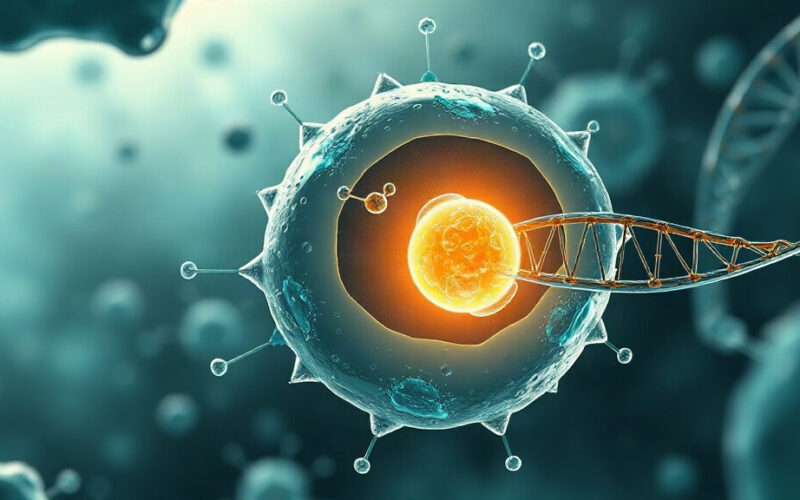
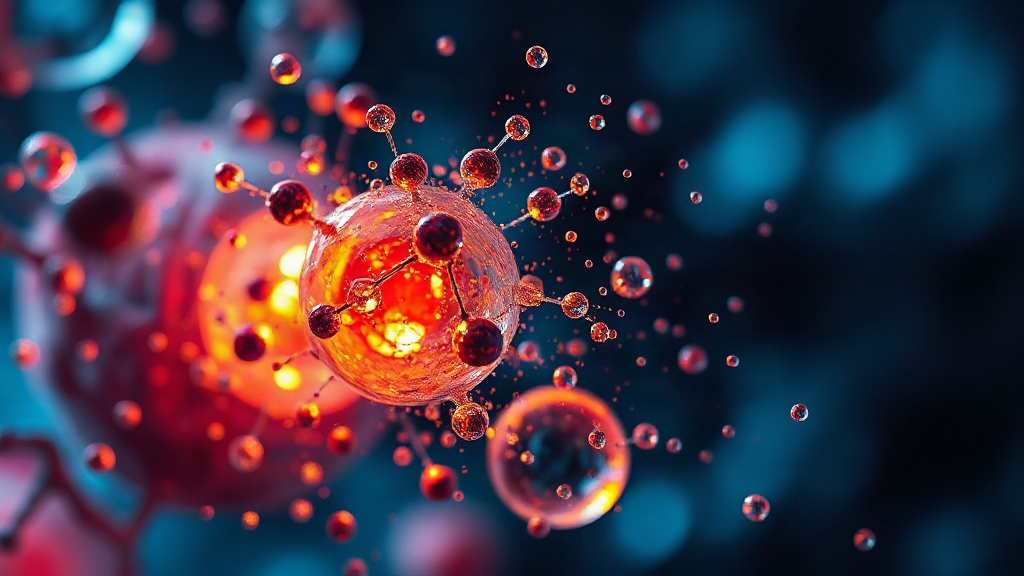
This imbalance occurs when reactive oxygen species (ROS), the superoxide radical, hydrogen peroxide, the hydroxyl radical, exceed the neutralizing capacity of the body’s antioxidant systems. These unstable molecules arise mainly in the mitochondrial respiratory chain during cellular energy production. In moderate amounts, they act as a signal, activating repair and defense genes. Beyond a certain threshold, they attack membrane lipids, oxidize proteins and fragment DNA.
The term was coined by biochemist Helmut Sies to describe this loss of balance, before being refined as a continuum rather than a simple on/off switch. Low-level exposure builds cellular resilience; prolonged, it wears tissues down.
Mechanism: where do free radicals come from?
Most free radicals come from mitochondrial respiration: every oxygen molecule consumed to produce energy generates a fraction of reactive byproducts. The rest comes from external sources and physiological processes that add to this background production.
- Inflammation and white blood cell activation, which release free radicals to destroy pathogens and damaged cells.
- Exposure to UV light, air pollution and tobacco smoke.
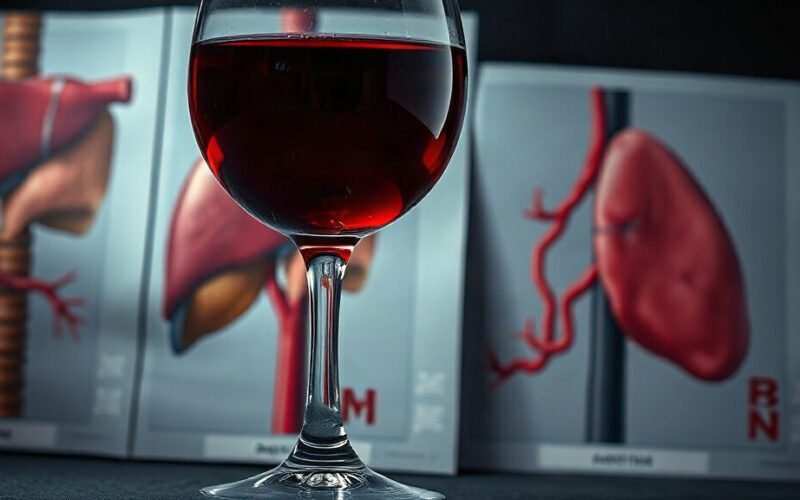
- Metabolism of alcohol and certain medications by the liver.
- Intense physical exercise, which transiently increases muscle oxygen consumption.
- Excess free iron or copper, which can catalyze oxidative reactions.
Against this production, the body has three lines of defense: internal antioxidant enzymes (superoxide dismutase, catalase, glutathione peroxidase), antioxidant molecules from food (vitamin C, polyphenols, carotenoids) and DNA repair mechanisms. The imbalance only progresses once one or more of these lines weaken.
What the science says about this imbalance and health
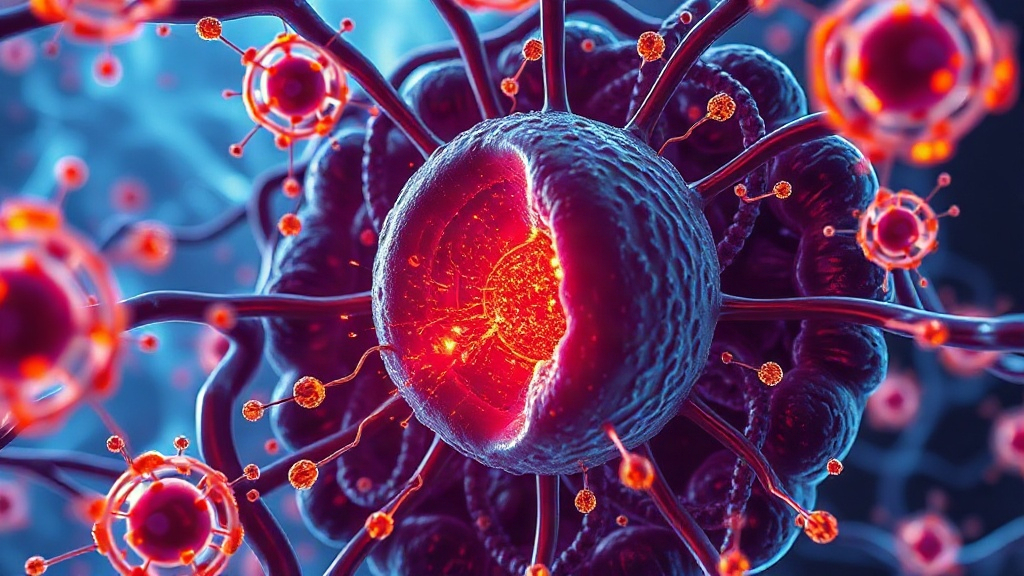
Chronic oxidative stress is associated with cardiovascular disease, chronic obstructive pulmonary disease, kidney failure, neurodegenerative conditions and certain cancers (Liguori et al., 2018). This association does not prove a direct causal link in every case: biological markers of this imbalance are mainly used to track the progression of an already established disease, not to predict it with certainty in a healthy person.
This imbalance is not uniformly harmful. A study from the University of Jena followed 39 healthy young men through four weeks of physical training: those given 1,000 mg of vitamin C and 400 IU of vitamin E per day did not improve their insulin sensitivity, unlike the group without supplements (Ristow et al., 2009). In that group, the imbalance generated by exercise had triggered a protective adaptation, blocked by the antioxidants, a mechanism called mitohormesis.
This nuance extends to prevention through supplements. A Cochrane meta-analysis of 78 trials and 296,707 participants found no benefit of antioxidants on mortality; among the trials at low risk of bias, beta-carotene (relative risk 1.05) and vitamin E (relative risk 1.03) even increased it (Bjelakovic et al., 2012). A Finnish trial of 29,133 smokers also observed an 18% increase in lung cancer incidence with beta-carotene, compared with the unsupplemented group (Alpha-Tocopherol Beta Carotene Study Group, 1994).
In practice: when should you actually worry?
A short-lived spike, the kind triggered by exercise or a heavy meal, resolves within hours thanks to the body’s natural defenses. Chronic imbalance builds up over months or years instead, fueled by smoking, a sedentary lifestyle, a diet low in plant foods or excess abdominal fat. It is this second case that warrants real attention, particularly in people being monitored for a cardiometabolic condition.
| Criterion | Acute form | Chronic form |
|---|---|---|
| Typical trigger | Exercise, digestion, brief UV exposure | Smoking, pollution, inactivity, obesity |
| Duration | A few hours | Months to years |
| Effect on defenses | Stimulates them (mitohormesis) | Gradually depletes them |
| Known health association | Improved insulin sensitivity | Cardiovascular and neurodegenerative disease |
This link with chronic inflammation is not trivial: the two phenomena feed each other, with excess free radicals activating inflammatory pathways, and inflammation in turn generating more free radicals. This same imbalance also speeds up telomere attrition, one of the cellular markers of aging. On the mitochondrial side, research into mitochondrial dysfunction is directly tied to where these free radicals originate.
Protocol: reducing excess oxidative stress day to day
Reducing this chronic imbalance relies on simple habits, better documented than taking isolated antioxidant supplements.
- Eat colorful fruits and vegetables every day, rich in natural polyphenols and carotenoids.
- Practice regular, moderate physical activity rather than extreme training repeated without recovery.
- Get enough sleep: insufficient sleep weakens the body’s antioxidant defenses.
- Limit tobacco, alcohol and exposure to air pollution where possible.
- Reserve any single high-dose antioxidant supplement (vitamin E, beta-carotene) for cases cleared by a doctor, particularly if you smoke or are undergoing treatment.
| Worsen the imbalance | Reduce the imbalance |
|---|---|
| Tobacco, air pollution | Colorful fruits and vegetables |
| Prolonged inactivity | Regular physical activity |
| Insufficient sleep | Restorative sleep |
| Excess alcohol | Varied diet and hydration |
Some plant compounds, such as curcumin, are being studied for their indirect antioxidant properties rather than for directly scavenging free radicals. Before taking any supplement, the National Center for Complementary and Integrative Health notes that antioxidants should not be combined with chemotherapy or radiotherapy, since these treatments themselves rely on producing free radicals to destroy tumor cells.
Frequently asked questions about oxidative stress
How can I tell if I have oxidative stress?
There is no reliable consumer test to measure oxidative stress day to day. The biomarkers used in research, such as carbonylated proteins or lipid oxidation products, require a blood draw analyzed in a specialized laboratory and are mainly used to monitor already diagnosed disease, not to screen a healthy person.
Does oxidative stress always cause disease?
No. A moderate, transient spike, such as that caused by exercise, stimulates the body’s antioxidant defenses instead of damaging it. It is persistence over time, sustained by smoking, inactivity or an unbalanced diet, that is associated with cardiovascular and neurodegenerative disease, not brief exposure.
Should you take antioxidant supplements to protect yourself?
The available evidence does not support it. A Cochrane meta-analysis of nearly 300,000 participants found no benefit of antioxidants on mortality, and even a higher risk with beta-carotene and vitamin E in the most reliable trials. A diet rich in plant foods is a better choice than a single high-dose supplement.
Which foods reduce oxidative stress?
Colorful fruits and vegetables naturally provide polyphenols, carotenoids and vitamin C, which support the body’s antioxidant defenses. Unlike high-dose supplements, these nutrients act in synergy with other compounds in the same food, without the adverse effects seen in some clinical trials of isolated supplements.
Does exercise increase oxidative stress?
Yes, transiently. Physical effort increases muscle oxygen consumption and therefore free radical production, but this brief rise triggers a protective adaptation called mitohormesis: internal antioxidant defenses get stronger. Taking high-dose antioxidants around a workout can block this benefit.
Medical disclaimer. The information provided here is for informational purposes only and does not constitute medical advice. It does not replace a consultation. Ask a healthcare professional before changing your diet, taking dietary supplements or starting a new practice, especially if you have a medical condition, are pregnant or are under treatment. Dietary supplements do not replace a balanced diet or medical follow-up.