Could rejuvenation start with your blood? Plasma dilution is one of the most intriguing ideas in longevity research. The concept is simple: by lowering the concentration of “pro-aging” factors that build up in blood plasma over time, scientists hope to restore some vigor to aging tissues. It is still a largely experimental hypothesis, but it also casts new light on a familiar, generous act: donating blood.
In brief – Plasma dilution is a longevity hypothesis suggesting that lowering the concentration of inflammatory, “pro-aging” molecules in blood plasma could help rejuvenate aging tissues. The idea grew out of parabiosis experiments, in which a young and an old mouse shared a blood circulation. More recent research suggests that diluting the old animal’s plasma, rather than adding anything from the young one, drives most of the benefit. In mice, partial plasma exchange has rejuvenated several organs, but robust human evidence is still lacking, and clinics selling “young blood” infusions are not backed by science. Ordinary blood donation is not a plasma exchange, but it does renew part of the blood and lower iron stores, which may explain some benefits seen in regular donors. Its one proven value, beyond any longevity angle, remains its capacity to save lives.
Where does the plasma dilution idea come from?
Plasma is the liquid portion of blood in which blood cells circulate. With age, it accumulates inflammatory molecules and signals that appear to speed up tissue aging. The plasma dilution hypothesis proposes reducing the concentration of these unwanted factors, rather than adding anything new to the mix.
The idea traces back to classic parabiosis experiments, in which researchers surgically joined the circulatory systems of a young and an old animal. For years, scientists assumed that “young blood” itself was doing the rejuvenating. More recent work suggests otherwise: most of the benefit may simply come from diluting the old plasma’s harmful factors, not from any special ingredient in young blood.
What the science shows
University research teams have shown, in mice, that replacing part of the plasma with a neutral solution can rejuvenate several tissues (PubMed data). The procedure, similar to the therapeutic plasma exchange used in medicine, appears to act as a partial reset of the body’s internal environment.
Even so, caution is warranted. These results mostly involve animals, and solid human evidence is still missing. The National Institute on Aging notes that most interventions studied for their effect on the biology of aging, plasma based approaches included, still need large, well controlled human trials before any conclusion can be drawn. Be wary especially of private clinics selling plasma exchange or “young blood” treatments marketed as anti-aging cures: these expensive procedures are not clinically validated and carry real risks. Plasma dilution remains, for now, a fascinating research lead, not a proven longevity therapy.
Blood donation: a form of renewal?
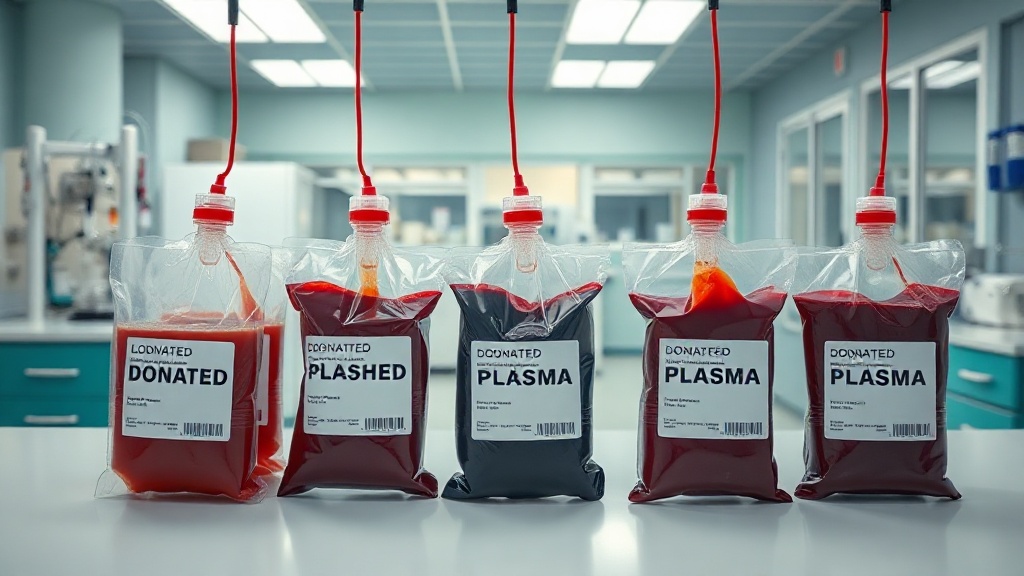
This is where blood donation enters the picture. Donating removes a volume of blood that the body then rebuilds: plasma is replenished within a day or two, and blood cells within a few weeks. It is tempting to see this as a natural, mild form of plasma dilution.
To be precise, blood donation is not a true plasma exchange. It works through two other mechanisms. First, it stimulates the production of fresh blood. Second, and more importantly, it lowers iron stores, and excess iron is linked to oxidative stress. This drop in iron is one of the leading hypotheses for some of the benefits seen in regular donors (PubMed data). That said, no personal longevity benefit from donating blood has been proven, partly because donors tend to be healthier than average to begin with.
The real, proven benefits of blood donation
Beyond the appealing plasma dilution hypothesis, blood donation carries concrete, undisputed benefits:
- It saves lives: this is its primary purpose. A single donation can help several patients.
- It comes with a free health check: every donation includes screening (blood pressure, hemoglobin) that can catch an abnormality early.
- It lowers iron stores: useful for people prone to iron overload.
- It brings a psychological benefit: the sense of purpose and altruism involved is well documented as a boost to wellbeing.
In other words, even if plasma dilution as an anti-aging tool still needs to be confirmed, blood donation itself is a win on every front: for others first and foremost, and perhaps a little for yourself too.
In practice: how and where to donate
Donating blood is simple, closely regulated, and safe. A few pointers to get started:
- Where: national blood services coordinate donation in most countries, such as NHS Blood and Transplant in the UK, the American Red Cross in the US, or the Etablissement Francais du Sang in France, at a fixed center or a mobile blood drive.
- Who: most healthy adults between 18 and 70 years old, subject to local eligibility criteria.
- How often: intervals between two donations are strictly regulated to protect your health. Do not try to donate more often than recommended.
- How to handle it well: stay hydrated, eat beforehand, and rest afterward, as you would after any physical effort.
At a glance, the two approaches sit at very different stages of evidence:
| Approach | Mechanism | Evidence in humans | Current status |
|---|---|---|---|
| Therapeutic plasma exchange (plasma dilution) | Replaces part of the plasma with a neutral solution to reduce pro-aging factors | Mostly animal studies; human data still limited | Experimental, not an approved anti-aging therapy |
| Blood donation | Stimulates new blood cell production and lowers iron stores | Associated with lower oxidative stress markers in regular donors | Widely available through national blood services |
This habit fits within a broader longevity-focused lifestyle, alongside good cardiovascular health, attention to the body’s natural renewal systems, and habits drawn from the Blue Zones.
Frequently asked questions
Does plasma dilution really slow aging?
In mice, diluting plasma has rejuvenated certain tissues. In humans, solid evidence is still missing. It is a promising research lead, not a validated longevity therapy. Be cautious of commercial “young blood” offers.
Does donating blood make you live longer?
This has not been demonstrated. Some benefits, like lower iron levels, are plausible, but the studies are partly biased because donors tend to be healthier to start with. Donating should remain, above all, an altruistic act, not a personal anti-aging strategy.
Is donating blood dangerous?
No, not for a healthy person donating through a regulated blood service. The draw is safe, the equipment is single-use, and a screening precedes every donation. Just stay hydrated and rest afterward.
What is the link between blood donation and plasma dilution?
Donating renews part of the blood and plasma, which echoes the idea of dilution. But the main mechanisms behind donation are the stimulation of new blood and the reduction of iron, rather than a genuine dilution of aging factors.
Medical disclaimer. The information provided here is for informational purposes only and does not constitute medical advice. It does not replace a consultation. Ask a healthcare professional before changing your diet, taking dietary supplements or starting a new practice, especially if you have a medical condition, are pregnant or are under treatment. Dietary supplements do not replace a balanced diet or medical follow-up.