Creatine supplementation has long been dismissed as a bodybuilder’s supplement, tucked away with gym bags and protein shakes. That reputation is a scientific injustice. Behind this cheap, extensively studied molecule lies one of the few tools that can act on both muscle and brain, two pillars of healthy aging. At 5 grams a day for the muscles and 5 grams a day for the brain, creatine stands out as a surprisingly complete longevity ally. Here is what the evidence shows.
In brief – Creatine supplementation is the daily intake of creatine, a molecule the body already makes and stores mostly in muscle, split between roughly 5 grams a day for muscle strength and mass and up to 5 grams more a day aimed at brain energy metabolism. Evidence for the muscle benefits is strong, especially in people over 50 facing sarcopenia, the age related loss of muscle that drives frailty and falls. The brain related benefits are newer but promising, particularly for people with lower baseline stores such as vegetarians or older adults. Creatine monohydrate is the best studied form and is considered safe for most healthy adults even over the long term, though anyone with kidney disease, who is pregnant or under treatment should check with a doctor first.
What is creatine?
Creatine is a small molecule naturally present in the body, synthesized by the liver, kidneys and pancreas from three amino acids. We make about one gram of it a day, and we get roughly the same amount from food, mainly meat and fish. That is why vegetarians and vegans often have lower stores.
Roughly 95% of the body’s creatine is stored in muscle as phosphocreatine. The rest sits mainly in the brain, an organ with very high energy demands. This dual location, in muscle and in the brain, explains why creatine matters for longevity on two fronts.
How does creatine work?
Its role is primarily energetic. Creatine acts as a fast reserve of energy that regenerates ATP, the energy currency of our cells. In practice:
- It recharges ATP: during brief, intense effort, phosphocreatine donates a phosphate group to reform ATP almost instantly.
- It supports energy hungry cells: muscle fibers and neurons, which both demand a lot of energy, benefit directly.
- It buffers spikes in demand: during metabolic stress, fatigue or sleep deprivation, this reserve becomes especially valuable.
- It supports cell hydration: creatine draws water into muscle cells, a signal that favors muscle building.
By raising phosphocreatine stores through supplementation, the body gains a greater capacity to produce energy on demand, exactly where it is needed most.
Creatine supplementation for muscle: 5 grams a day for strength and mass
The evidence is strongest for muscle. Creatine improves strength and power, and when combined with resistance training, it increases muscle mass. These effects, well documented in athletes, take on a different meaning with age.
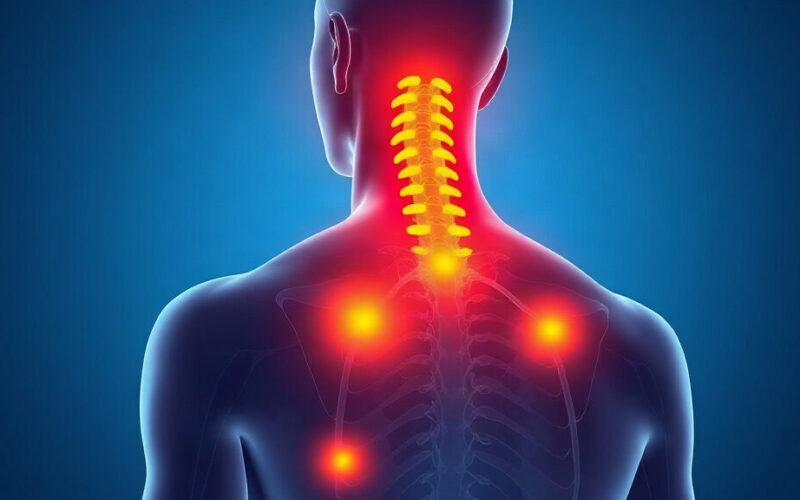
After age 50, the gradual loss of muscle known as sarcopenia is one of the main drivers of frailty, falls and loss of independence. By supporting strength and muscle mass, creatine becomes a valuable prevention tool, provided it is paired with regular physical activity. Maintaining cardiorespiratory fitness and freedom of movement matters here too: it amplifies the benefits of exercise, it does not replace them.
Creatine supplementation for the brain: 5 grams a day for cognitive function
This is the newest and most exciting side of the research. The brain uses a large amount of energy, and it too holds its own creatine reserves. These reserves can be called upon during demanding situations.
Studies suggest creatine supplementation may support certain cognitive functions, particularly when the brain is under strain: sleep loss, mental fatigue, aging. The benefits appear more pronounced in people with lower baseline stores, such as vegetarians or older adults. Because the brain absorbs creatine more slowly than muscle, a dedicated extra dose, hence the idea of adding 5 grams a day, is being studied specifically to support brain function. This energetic support complements other levers of cognitive health such as BDNF.
What the science says
The body of evidence is substantial. On the muscle side, reviews confirm its effectiveness for strength and mass, including in older adults engaged in resistance training programs (PubMed data).
On the brain side, the research is newer but promising: several studies are exploring the effect of creatine on memory, attention and resistance to mental fatigue (PubMed data). Its safety profile is also one of the best established among supplements, including over the long term (PubMed data). Guidance on preventing frailty, echoed by the NHS, stresses the importance of maintaining muscle mass with age.

Why creatine is a longevity ally
Bringing these two dimensions together clarifies its relevance for healthy aging. On one hand, it helps preserve muscle, whose decline largely determines independence and survival past a certain age. On the other, it supports a brain that is heavily energy dependent, at a stage of life when cognitive function becomes a priority.
Few supplements check both boxes with this level of evidence for muscle and this credible a potential for the brain. This supplement is obviously not a magic pill: it works best as part of an active lifestyle rich in movement, quality sleep and good nutrition, much like the habits observed in Blue Zones.
In practice: dosage, form and safety
Putting this into practice is simple, and that is one of its strengths. A few key points:
- The form: choose creatine monohydrate, the only form with strong, well documented evidence for effectiveness and safety. There is no need to pay more for “advanced” forms.
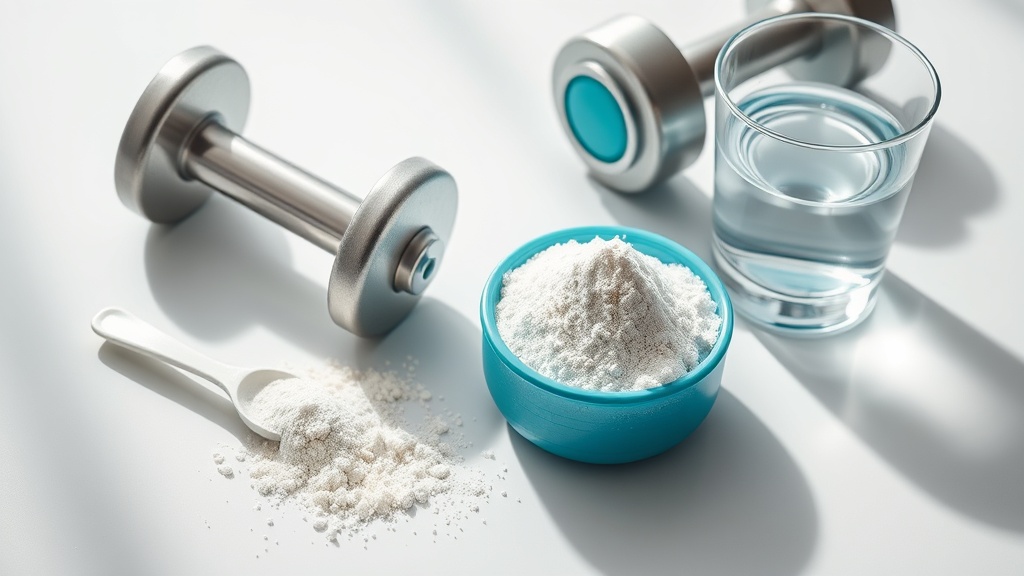
- The muscle dose: 5 grams a day is enough to saturate muscle stores, with no loading phase required.
- The brain dose: to also target brain function, a higher total intake, around 5 grams more, is under study and appears well tolerated.
- Timing: the time of day does not matter much, daily consistency is what counts, including on days without exercise.
- Safety: very well tolerated in healthy people. It can slightly raise blood creatinine, a marker, without reflecting kidney damage.
One caveat: anyone with kidney disease, who is pregnant, or on specific treatment should get medical advice first. For most healthy adults, creatine remains one of the supplements with the best benefit to risk ratio available.
| Target | Daily dose | Main benefit |
|---|---|---|
| Muscle | 5 grams | Strength, power and muscle mass, especially with resistance training |
| Brain | 5 grams more (about 10 grams total) | Support for cognition under strain: sleep loss, mental fatigue, aging |
Frequently asked questions
Is creatine dangerous for the kidneys?
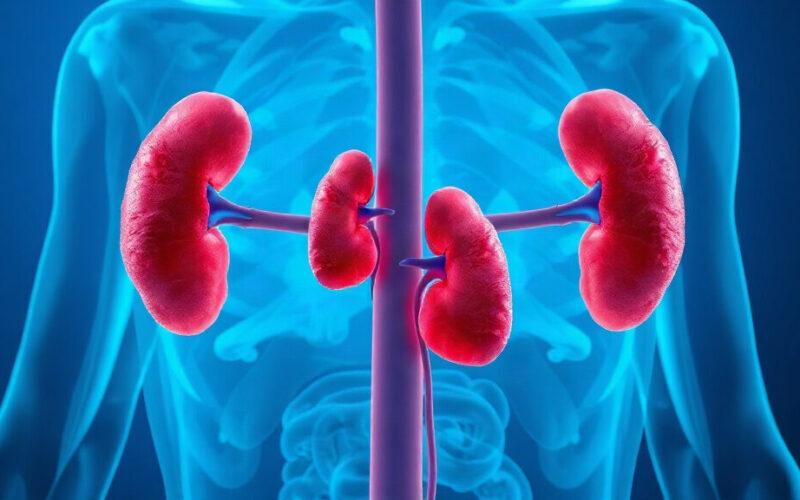
In healthy people, no. Long term studies have not shown kidney damage. Creatine can slightly raise blood creatinine, a simple marker, without indicating harm. Anyone with kidney disease should seek medical advice.
Do you need a loading phase?
It is not essential. Taking 5 grams a day consistently saturates stores gradually over three to four weeks. A loading phase only speeds up this process, sometimes at the cost of digestive discomfort.
Why 5 grams for muscle and 5 grams for the brain?
Muscle saturates with about 5 grams a day. The brain, which absorbs creatine more slowly, may need an additional amount to gain a cognitive benefit, hence the idea of adding 5 grams specifically for the brain. Creatine supplementation at this combined dose remains well tolerated in current research.
Can women and older adults take it?
Yes, and they are in fact among those who benefit the most. Women after menopause and older adults, who are often affected by muscle loss, get a real benefit from creatine combined with exercise.
Medical disclaimer. The information provided here is for informational purposes only and does not constitute medical advice. It does not replace a consultation. Ask a healthcare professional before changing your diet, taking dietary supplements or starting a new practice, especially if you have a medical condition, are pregnant or are under treatment. Dietary supplements do not replace a balanced diet or medical follow-up.