Psyllium husk is a soluble fiber drawn from the seed coat of Plantago ovata seeds, used for decades to regulate bowel movements. Grown mainly in India, this mucilage forms a viscous gel on contact with water in the gut. Randomized clinical trials show measurable effects on LDL cholesterol, postprandial blood sugar and irritable bowel syndrome symptoms. This piece breaks down the optimal dose, safety precautions and what the strongest PubMed studies confirm.
In brief – Psyllium husk is a soluble, viscous fiber extracted from the seed coat of Plantago ovata that forms a gel in the intestine and increases stool bulk. Clinical trials link regular intake of 10 to 15 g per day to an LDL cholesterol reduction of roughly 5% to 9%, improved postprandial blood sugar in people with prediabetes or type 2 diabetes, and greater relief of irritable bowel syndrome symptoms than wheat bran provides. Each dose should always be taken with a large glass of water to avoid any risk of digestive obstruction. These supplements replace neither a fiber-rich diet nor medical advice for chronic digestive disorders.
Definition: What Is Psyllium Husk?
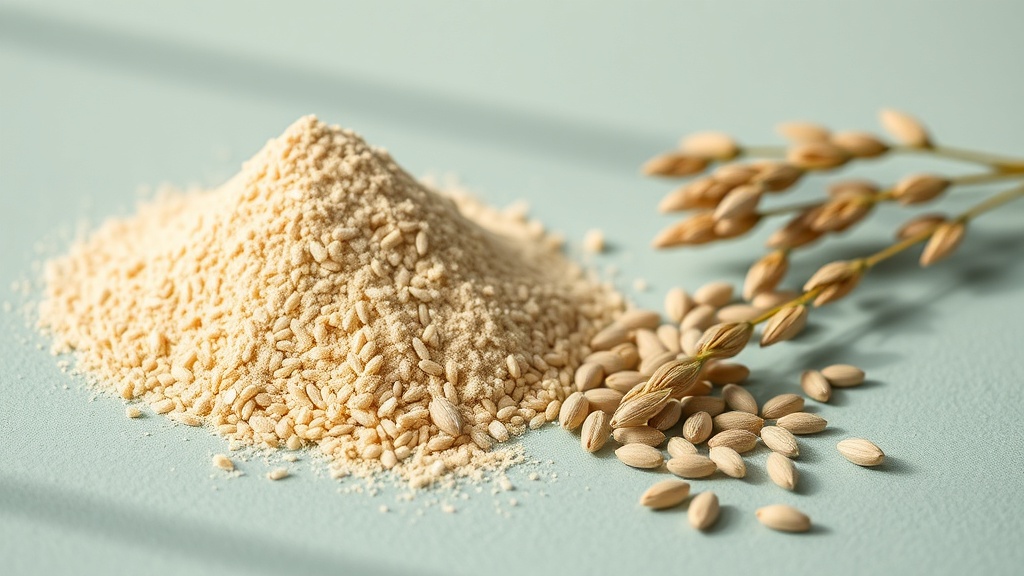
It is the seed coat, the outer covering, of Plantago ovata seeds, a plant in the plantain family grown mainly in Rajasthan, India. It is also sold as ispaghula or blond psyllium fiber. Unlike wheat bran, an insoluble fiber, psyllium is made mostly of soluble, highly viscous arabinoxylans: on contact with water it swells to up to ten times its volume and forms a mucilaginous gel.
This viscosity sets it apart from other soluble fibers such as inulin or oat beta-glucans, which gel far less. This physical property, not a pharmacological action, explains most of its demonstrated effects on digestion, blood sugar and blood lipids.
Composition and Mechanism of Action
Its active fraction is a complex polysaccharide rich in highly branched arabinoxylans that the colonic microbiota ferments only slowly compared with other soluble fibers. This low fermentability limits excess bloating while preserving the gelling effect along the full length of the colon.
- In the small intestine, this gel traps part of the cholesterol and bile acids, reducing their reabsorption and forcing the liver to draw on circulating cholesterol to synthesize new bile acids.
- The same gel slows gastric emptying and glucose diffusion across the intestinal wall, blunting the blood sugar spike after a meal.
- In the colon, the gel’s volume increases stool bulk and water content, which mechanically stimulates peristalsis without a stimulant laxative effect or dependency.
- A small fraction is fermented into short-chain fatty acids, including butyrate, the primary fuel for colon cells.
What the Science Says About Psyllium Husk
A meta-analysis of 12 controlled trials in 404 adults with high cholesterol measured a drop in total and LDL cholesterol among people taking it compared with a control group (Olson et al., Journal of Nutrition, 1997, PMID 9311953). The effect is dose-dependent and generally appears from 10 g per day taken for at least four weeks.
For blood sugar, a GRADE meta-analysis of 19 randomized trials (962 participants) reports a significant reduction in fasting glucose, HbA1c and the HOMA-IR index with psyllium compared with placebo, with no significant effect on insulin alone (Gholami et al., BMC Endocrine Disorders, 2024, PMID 38844885).
For chronic idiopathic constipation, a controlled trial found increased stool frequency and weight with supplementation, with no change in colonic or anorectal motility as measured by manometry (Ashraf et al., Alimentary Pharmacology & Therapeutics, 1995, PMID 8824651). In irritable bowel syndrome, a randomized placebo-controlled trial in 275 patients compared psyllium, wheat bran and placebo over twelve weeks: the symptom severity score dropped by 90 points with psyllium versus 58 points with wheat bran and 49 points with placebo (Bijkerk et al., BMJ, 2009, PMID 19713235).
These findings reflect statistical associations measured under controlled conditions, not a universal effect: their size varies with dose, duration of use and baseline metabolic profile. The NHS notes that the recommended fiber intake from all sources combined is around 30 g per day for adults, with it serving only as a supplement, not a substitute for a varied, plant-rich diet.
In Practice: Who Should Consider It, and When?
This fiber is best suited to adults with functional constipation, those looking to close a gap in dietary fiber intake, or as dietary support for mild to moderate high cholesterol confirmed by a lipid panel. It fits within the strategies covered on our Nutrition pillar page, and within a broader approach to gut microbiome health, where fiber diversity matters as much as total intake.
In people with irritable bowel syndrome, the choice of fiber changes the clinical response: because it ferments slowly, psyllium is better tolerated than inulin or fructans in those prone to bloating. This link between fiber and low-grade inflammation connects to the mechanisms described in our report on chronic inflammation, where diet ranks among the best-documented levers.
| Fiber | Type | Dominant effect | Digestive tolerance |
|---|---|---|---|
| Psyllium (Plantago ovata) | Soluble, highly viscous | Digestion + LDL cholesterol + blood sugar | Good, low fermentability |
| Wheat bran | Insoluble | Stool bulk | Variable, can irritate in irritable bowel syndrome |
| Glucomannan | Soluble, highly viscous | Satiety + cholesterol | Requires substantial hydration |
| Inulin / FOS | Soluble, fermentable | Prebiotic, gut microbiome | Frequent bloating at high doses |
This comparison connects with the angles explored in our review of the gut-organ axes of the gut microbiome, where the type of fiber consumed directly shapes colonic bacterial composition.
Protocol and Usage Tips
The typical dose used in clinical trials ranges from 5 g to 10 g of psyllium husk, taken one to three times a day, for a daily total of 10 to 15 g. The following practical tips limit side effects and maximize tolerance:
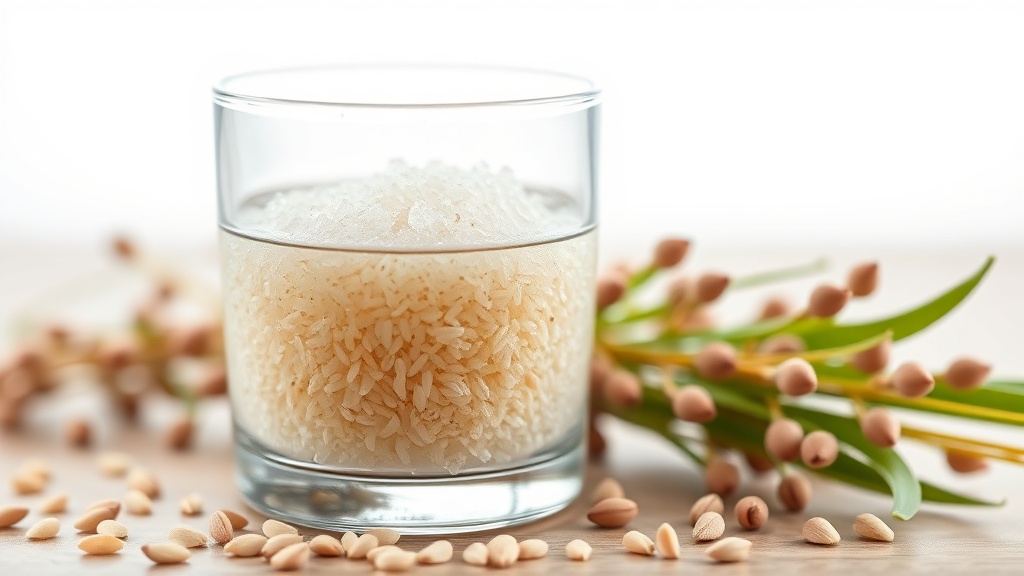
- Dissolve each dose in a large glass of water (at least 250 ml, about 8 fl oz) and drink it right away, before the mixture thickens.
- Increase the dose gradually over one to two weeks to limit gas and bloating at the start of use.
- Space intake at least two hours from any oral medication, since the gel can slow its digestive absorption.
- Take a dose before meals for the effect on postprandial blood sugar, or at bedtime for the effect on the next morning’s bowel movement.
- Maintain adequate fluid intake throughout the day, not just at the time of dosing.
This fiber is not advised for anyone with a history of esophageal or intestinal stricture or obstruction, megacolon, or known swallowing difficulty. Insufficient hydration when taking a dose carries a rare but documented risk of digestive obstruction. People with diabetes on medication should monitor their blood sugar more closely when starting, since the blood-sugar-lowering effect of psyllium can add to that of their medication.
Frequently Asked Questions About Psyllium Husk
What is the difference between blond and black psyllium?
Blond psyllium comes from Plantago ovata and is the most clinically studied form, with a seed coat rich in highly viscous soluble fiber. Black psyllium, from Plantago psyllium, contains more insoluble fiber and a less gelling mucilage. Supplements sold in pharmacies almost always use the blond variety, the one used in the trials cited in this piece.
How long before psyllium husk affects digestion?
Studies report improved stool frequency within the first week of regular use, with the maximal effect reached after three to four weeks. The cholesterol effect takes longer: meta-analyses measure significant reductions from four to eight weeks of continuous daily intake.
Does psyllium husk cause weight loss?
It is not a weight-loss product. Its gelling effect increases fullness and may slightly reduce spontaneous calorie intake at the next meal, but clinical trials show no clinically meaningful weight loss without broader dietary change. It is used as a supplement, never as a meal replacement.
Can you take psyllium husk every day long term?
Available clinical trials cover a few weeks to a few months, with good tolerance reported at doses of 10 to 15 g per day. Extended use is reasonable for chronic constipation, provided hydration stays adequate and intake is spaced from other medications. Medical advice is recommended beyond a few months of continuous use.
Medical disclaimer. The information provided here is for informational purposes only and does not constitute medical advice. It does not replace a consultation. Ask a healthcare professional before changing your diet, taking dietary supplements or starting a new practice, especially if you have a medical condition, are pregnant or are under treatment. Dietary supplements do not replace a balanced diet or medical follow-up.