Insulin resistance affects a large share of overweight adults and often progresses without any visible symptom before prediabetes appears. This mechanism reduces the ability of the liver, muscles and fat tissue to respond normally to insulin, the hormone that regulates blood sugar. Seven clinical signs help spot it early, and several lifestyle levers, validated by controlled trials, reduce its severity within a few months.
In brief – Insulin resistance is a metabolic disorder in which liver, muscle and fat tissue cells respond less efficiently to insulin, forcing the pancreas to release more of it to keep blood sugar normal. This mechanism precedes type 2 diabetes by several years and stays silent for a long time. Seven clinical signs point toward screening: a large waist circumference, acanthosis nigricans, post-meal fatigue, sugar cravings, high triglycerides, elevated blood pressure and borderline fasting glucose. The Diabetes Prevention Program trial showed that a 7% weight loss combined with 150 minutes of weekly physical activity cuts the risk of progressing to diabetes by 58%. Sleep, dietary fiber and strength training round out these proven levers.
What Is Insulin Resistance?
This metabolic disorder describes a drop in cell sensitivity to insulin, the hormone the pancreas secretes to move blood glucose into cells. The liver, skeletal muscle and fat tissue are the three tissues most affected, as the National Institute of Diabetes and Digestive and Kidney Diseases explains in its overview of prediabetes and insulin resistance. Faced with this resistance, the pancreas compensates by producing more insulin. This compensatory hyperinsulinemia wears out over time and opens the door to type 2 diabetes.
HOMA-IR remains the most widely used indicator to confirm it in routine practice. It is calculated from fasting glucose and fasting insulin levels. A value above 2.5 points to a likely disorder, to be confirmed with a full blood panel.
| Marker | Normal value | Zone to watch |
|---|---|---|
| Fasting glucose | Below 100 mg/dL (1.00 g/L) | 100 to 125 mg/dL (1.00 to 1.25 g/L, prediabetes) |
| HbA1c | Below 5.7% | 5.7% to 6.4% (prediabetes) |
| HOMA-IR | Below 2.0 to 2.5 | Above 2.5 (likely resistance) |
| Waist circumference (women / men) | Below 31 in / 37 in (80 cm / 94 cm) | Above 35 in / 40 in (88 cm / 102 cm) |
How This Metabolic Disorder Takes Hold
Three factors feed this resistance at the same time: excess visceral fat, physical inactivity and lack of sleep. Abdominal fat releases fatty acids and pro-inflammatory molecules that disrupt insulin signaling in the liver and muscle. A diet high in fast-digesting sugars and low in fiber amplifies these repeated blood sugar spikes.
- Excess visceral fat and the associated low-grade inflammation
- Prolonged physical inactivity, which reduces muscle glucose uptake
- Chronic sleep debt, under 6 hours a night
- A diet high in fast-digesting sugars and low in fiber
- A family history of type 2 diabetes
What the Science Says About Insulin Resistance
The randomized Diabetes Prevention Program trial followed 3,234 prediabetic adults for 2.8 years. A lifestyle intervention targeting 7% weight loss and 150 minutes of weekly physical activity cut the incidence of type 2 diabetes by 58%, compared with 31% under metformin (Knowler et al., 2002, PubMed).
A meta-analysis of more than 107,000 participants links short sleep, under 5 to 6 hours, to a 28% higher risk of type 2 diabetes, and difficulty falling asleep to a 57% higher risk (Cappuccio et al., 2010, PubMed).
Daily fiber intake above 25 g for women and 38 g for men is associated with a 20% to 30% lower risk of type 2 diabetes, according to the review by Weickert and Pfeiffer (2018, PubMed). These three levers, physical activity, sleep and fiber, act on distinct metabolic pathways and their effects add up.
In Practice: 7 Signs to Recognize Early
Seven clinical signs, often combined, point toward insulin resistance before any blood test. None is specific on its own, but their combination raises the likelihood of an underlying metabolic disorder.
| Sign | What it reveals |
|---|---|
| Large waist circumference | Visceral fat buildup, a key driver of this metabolic disorder |
| Acanthosis nigricans | Thickened, darkened skin on the neck or armpits, linked to higher insulin levels and HOMA-IR (Videira-Silva et al., 2019, PubMed) |
| Skin tags (small benign skin growths) | Frequently seen alongside acanthosis nigricans in affected people |
| Post-meal fatigue | Blood sugar spikes and drops linked to an altered insulin response |
| Recurring sugar cravings | A rapid drop in blood sugar after a post-meal spike |
| High triglycerides and low HDL | A lipid profile typical of metabolic syndrome |
| Elevated blood pressure | A frequent component of the associated metabolic syndrome |
A blood panel including fasting glucose, HbA1c and a lipid profile is the next step to confirm these clinical signs. Our guide to the blood markers worth monitoring details the values to ask your doctor about. This screening approach is part of a broader preventive health strategy, where early detection outweighs late correction.
Protocol: Proven Levers to Reverse It
Physical activity remains the best-documented lever against it: it boosts muscle glucose uptake from the very first sessions, independent of any weight loss.
- Walk for 30 minutes after meals to blunt the post-meal blood sugar spike
- Add 2 strength training sessions a week, which build the muscle mass that takes up glucose
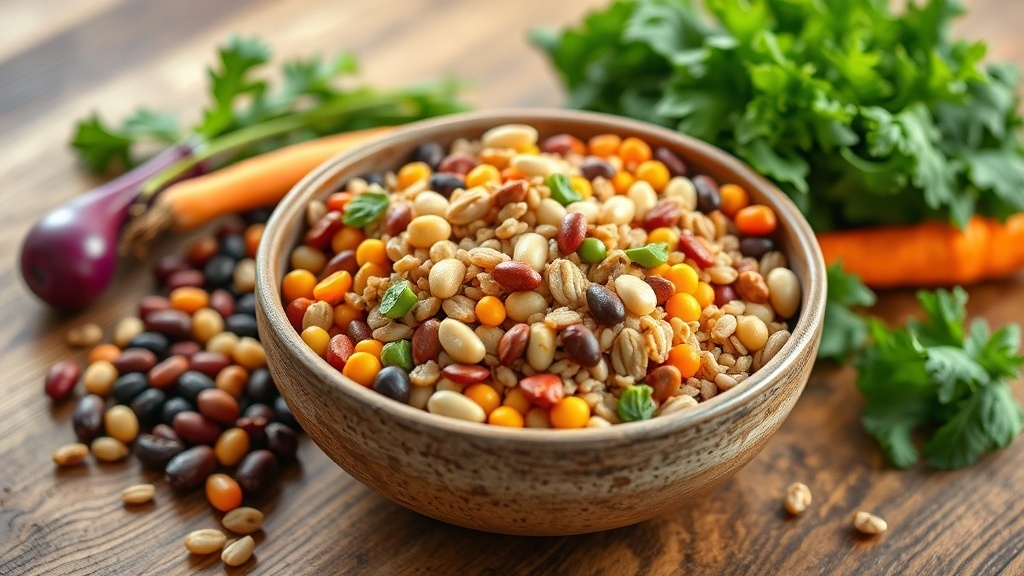
- Aim for 25 to 30 g of fiber a day: legumes, vegetables, whole grains
- Keep sleep steady around 7 to 8 hours, at regular times
- Reduce uninterrupted sitting time, with a standing break every hour
Our guide to strength training after 50 details a progression suited to building this muscle glucose uptake.
| Lever | Measured effect | Source |
|---|---|---|
| 7% weight loss + 150 min of activity a week | 58% lower incidence of type 2 diabetes over 2.8 years | Knowler et al., 2002 |
| Short sleep (5 to 6 hours or less) or poor sleep quality | 28% to 57% higher risk of type 2 diabetes, depending on the issue | Cappuccio et al., 2010 |
| Dietary fiber above 25 to 38 g a day | 20% to 30% lower risk of type 2 diabetes | Weickert & Pfeiffer, 2018 |
Intermittent fasting can complement these levers by reducing the daily window of exposure to insulin. It does not replace physical activity or medical follow-up for people already being treated for diabetes.
Frequently Asked Questions
Can insulin resistance be reversed?
In mild to moderate cases, it can improve with a 5% to 7% weight loss, regular physical activity and enough sleep, as shown by the Diabetes Prevention Program trial. It does not reverse instantly, but insulin sensitivity gradually improves within a few months if these changes are sustained over time.
What is the difference between insulin resistance and type 2 diabetes?
It precedes type 2 diabetes by several years. The pancreas first compensates by secreting more insulin to keep blood sugar normal. Type 2 diabetes appears once this compensation wears out and fasting glucose stays consistently above 126 mg/dL (1.26 g/L), according to standard diagnostic thresholds.
Which blood test detects insulin resistance?
HOMA-IR, calculated from fasting glucose and fasting insulin, remains the most widely used indicator in routine practice. A value above 2.5 points to a likely diagnosis. Fasting glucose, HbA1c and a lipid profile round out this screening.
Does intermittent fasting improve insulin sensitivity?
Some studies suggest a favorable effect of intermittent fasting on insulin sensitivity, by reducing how often daily blood sugar spikes occur. The evidence remains less robust than for physical activity and weight loss, and medical advice is needed for anyone already being treated for diabetes.
How does sleep affect insulin sensitivity?
Sleeping under 5 to 6 hours a night is linked to a 28% higher risk of type 2 diabetes, and difficulty falling asleep to a 57% higher risk, according to a meta-analysis of more than 107,000 participants. Keeping sleep duration and timing steady is one of the proven action levers here.
Medical disclaimer. The information provided here is for informational purposes only and does not constitute medical advice. It does not replace a consultation. Ask a healthcare professional before changing your diet, taking dietary supplements or starting a new practice, especially if you have a medical condition, are pregnant or are under treatment. Dietary supplements do not replace a balanced diet or medical follow-up.