Fisetin is a flavonoid found in strawberries and several other fruits that has drawn the attention of aging biologists since 2018, when a team from the Scripps Research Institute and the Mayo Clinic identified it as the most active of ten flavonoids tested in the lab for clearing senescent cells. Here is what the available studies show today, and where the human evidence currently stops.
In brief – Fisetin is a dietary flavonoid, found notably in strawberries, that belongs to the senolytic class of compounds studied for their ability to target senescent cells that accumulate with age. The founding study by Yousefzadeh and colleagues (2018) identified it as the most active of ten flavonoids tested in the lab, showing reduced senescence markers and improved tissue health in aged mice. In humans, the research is still at an early stage: a pilot bioavailability trial (2022) measured its oral absorption without establishing a validated dose or clinical effect on longevity. No health agency currently recommends this flavonoid for routine supplementation.
Definition
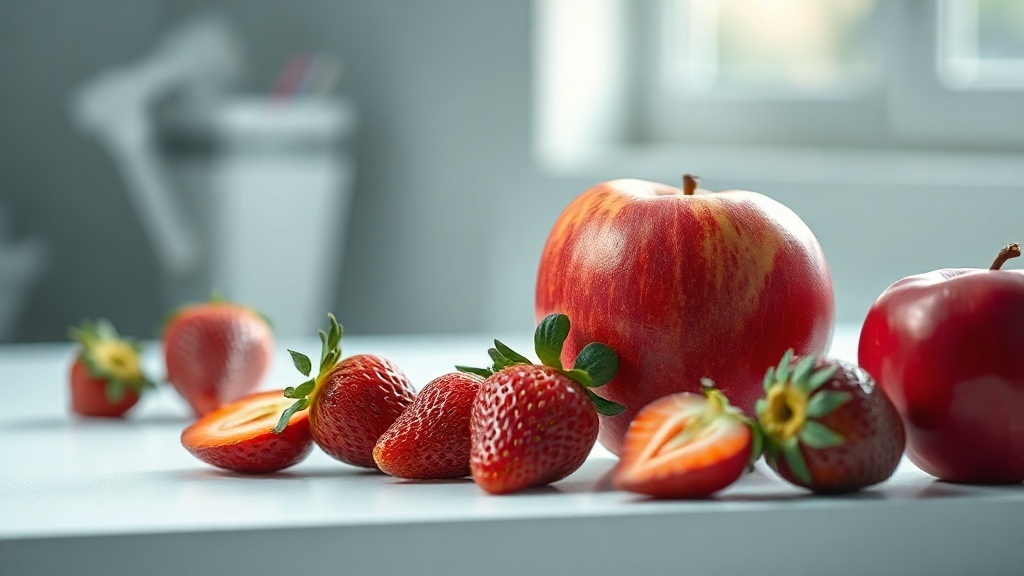
Fisetin belongs to the flavonol family, a subgroup of polyphenols found in many plants. It occurs in variable amounts in strawberries, apples, persimmons, onions and cucumbers, with strawberries ranking among the most concentrated sources identified to date. Pharmacologically, it falls into the senolytic category: molecules that promote the programmed death of senescent cells without harming surrounding healthy cells. This selectivity sets it apart from conventional chemotherapy, which targets cell proliferation rather than a specific senescent state.
Mechanism of action
Fisetin’s mechanism relies on interfering with the survival pathways specific to senescent cells, known as SCAPs (senescent cell anti-apoptotic pathways). These pathways normally protect senescent cells from programmed cell death; by blocking them, fisetin removes that protection and promotes their clearance. The study by Yousefzadeh and colleagues, published in EBioMedicine, identified several effects in mice:
- Reduced senescence markers (p16INK4a, p21) across several tissues after intermittent treatment
- A “hit-and-run” effect: a brief exposure is enough, unlike an anti-inflammatory drug taken continuously
- Decreased senescence-associated secretory phenotype (SASP), which accounts for part of the chronic inflammation linked to aging
- Partial restoration of tissue homeostasis in aged mice treated late in life
These effects were also observed in cultured human fat tissue explants, which sets this study apart from a simple mouse model, though without constituting proof of efficacy in living humans.
What the science shows
The strongest evidence on fisetin comes from the founding study by Yousefzadeh and colleagues (2018), which tested a panel of ten flavonoids on senescent mouse and human fibroblasts before selecting this compound for in vivo trials (PubMed, PMID 30279143). Late-life treatment of aged mice reduced age-related pathologies and extended median and maximum lifespan, without specifying a numerical magnitude that would transfer directly to humans.
A second limitation concerns bioavailability. A double-blind crossover study in 15 healthy volunteers measured the absorption of a single 1000 mg dose of unformulated fisetin: plasma exposure, measured as the area under the curve over 12 hours, reached only 12.67, compared with 341.4 for a hydrogel formulation tested in the same trial, a 26.9-fold increase (PubMed, PMID 36304817). Raw ingested fisetin is therefore poorly absorbed, which complicates extrapolating from the active doses used in the lab to a food intake or an unformulated supplement.
The review by Kirkland and Tchkonia (2020), which surveys the clinical translation of senolytics, places fisetin within a broader group of compounds under investigation, including the dasatinib/quercetin combination, for age-related frailty, cardiovascular disease or osteoporosis (PubMed, PMID 32686219). No large randomized controlled trial has established an effect on human longevity to date.
In practice
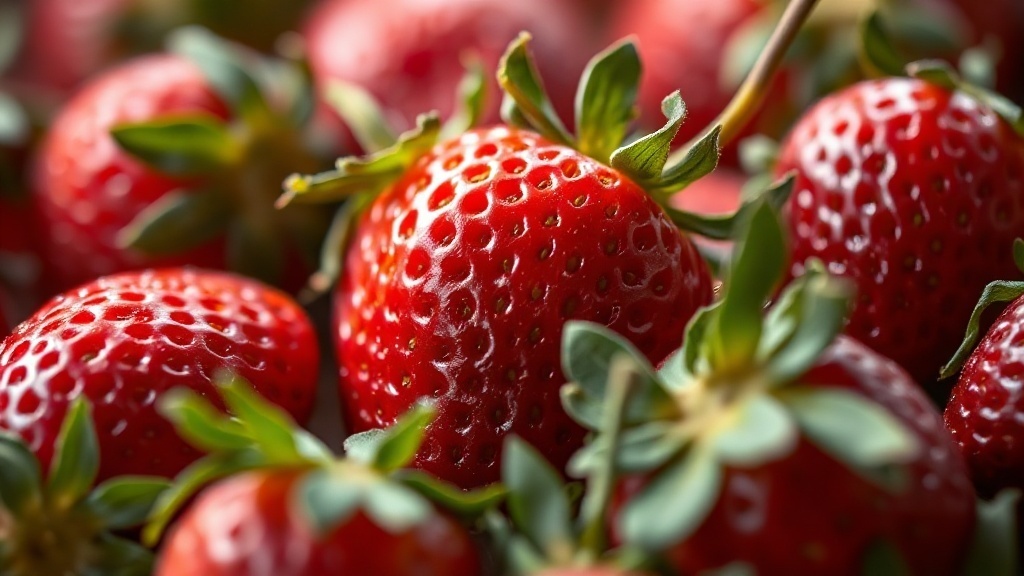
In the diet, fisetin is found mainly in strawberries, in amounts clearly higher than in other common fruits, as well as in apples, persimmons, onions and cucumbers. No supplement based on this flavonoid is approved by a European or North American health agency to slow aging; human trials so far focus on safety, bioavailability and targeted populations such as frail older patients, not on general public use.
Fisetin belongs to a family of flavonoids that UltraSante has already explored through the lens of cellular senescence, one of the recognized mechanisms of biological aging. It shares properties with apigenin, another flavonoid studied for its action on the secretory phenotype of senescent cells, and differs from spermidine, which works through a different mechanism, autophagy. Resveratrol, another widely studied polyphenol in longevity research, illustrates the same limitation as this compound: promising laboratory results, still incomplete human clinical translation.
| Compound | Main food source | Main mechanism | Stage of human research |
|---|---|---|---|
| Fisetin | Strawberries, apples, persimmons | Senolytic (selective clearance of senescent cells) | Pilot safety and bioavailability trials |
| Quercetin | Onions, capers, apples | Senolytic, used in combination with a drug (dasatinib) | Clinical trials in pulmonary fibrosis and diabetes |
| Apigenin | Parsley, celery, chamomile | Reduction of the senescence-associated secretory phenotype (SASP) | Preclinical studies |
| Spermidine | Wheat germ, fermented soy | Induction of cellular autophagy | Human observational cohorts |
Protocol and precautions
No fisetin supplementation protocol is approved by a health authority for preventive use in healthy adults. Ongoing clinical trials use high one-off doses, on the order of a gram, given over a limited number of days under medical supervision, a context very different from daily over-the-counter use. Before considering such a supplement, several points deserve attention:
- The lack of long-term human safety data, especially beyond a few weeks of use
- A possible interaction with anticoagulant or antiplatelet medication, as a precaution, given the absence of specific data
- Variability in the concentration and purity of supplements sold online, which is not standardized across manufacturers
- Pregnancy and breastfeeding, for which no specific study exists
Eating fresh strawberries, apples or persimmons remains the best-documented way to include this flavonoid in the diet, without the dosing uncertainties that come with supplements. The National Center for Complementary and Integrative Health notes that dietary supplements are not risk-free and recommends medical advice before any prolonged use, especially for people on medication.
Frequently asked questions
What is fisetin?
Fisetin is a flavonoid found in several fruits and vegetables, particularly strawberries. Researchers classify it among the senolytics, compounds studied for their ability to selectively target senescent cells that accumulate with age. It has been the subject of preclinical studies and early human trials since 2018, without definitive clinical validation to date.
Is fisetin a proven senolytic in humans?
Not yet, definitively. Most of the evidence comes from studies on mice and cultured human tissue. Trials conducted directly in humans focus mainly on safety and bioavailability, with small sample sizes. No large randomized controlled trial has demonstrated an effect of fisetin on human longevity.
Which foods contain the most fisetin?
Strawberries rank among the most concentrated sources identified to date, followed by apples, persimmons, onions and cucumbers. Amounts vary widely depending on the variety, ripeness and growing method. A varied, plant-rich diet remains the most reliable way to consume it regularly.
Can fisetin replace medical treatment?
No. No health authority recognizes fisetin as a treatment for aging or any age-related disease. Ongoing clinical trials remain exploratory and involve specific populations under medical supervision. A dietary supplement never replaces medical follow-up or a prescribed treatment.
What is the difference between fisetin and quercetin?
Both are flavonols classified among the senolytics and present in everyday foods. Fisetin proved the most active of ten flavonoids tested in the founding 2018 study, while quercetin is mainly studied in combination with a drug, dasatinib, in clinical trials for pulmonary fibrosis or diabetes.
Medical disclaimer. The information provided here is for informational purposes only and does not constitute medical advice. It does not replace a consultation. Ask a healthcare professional before changing your diet, taking dietary supplements or starting a new practice, especially if you have a medical condition, are pregnant or are under treatment. Dietary supplements do not replace a balanced diet or medical follow-up.