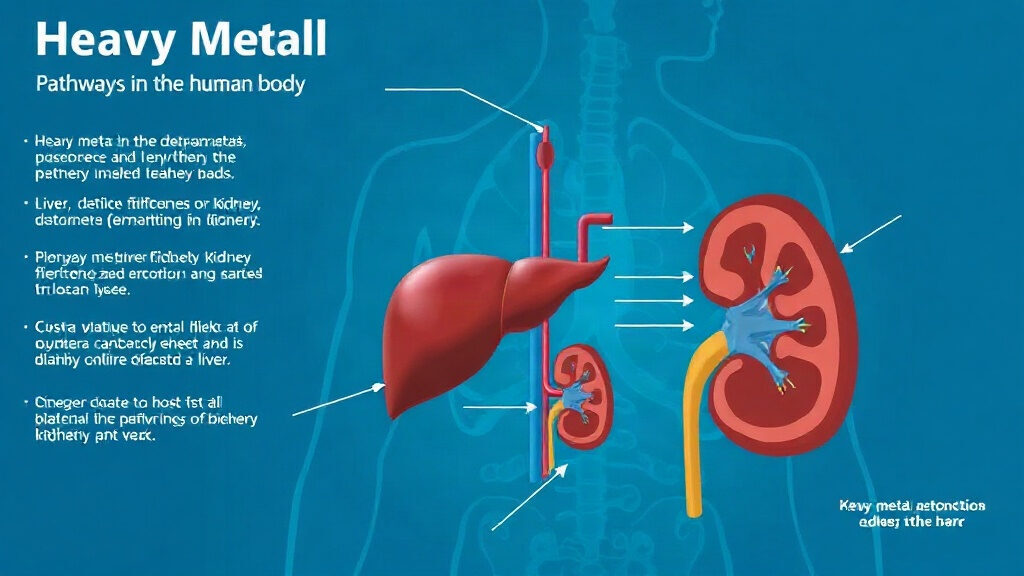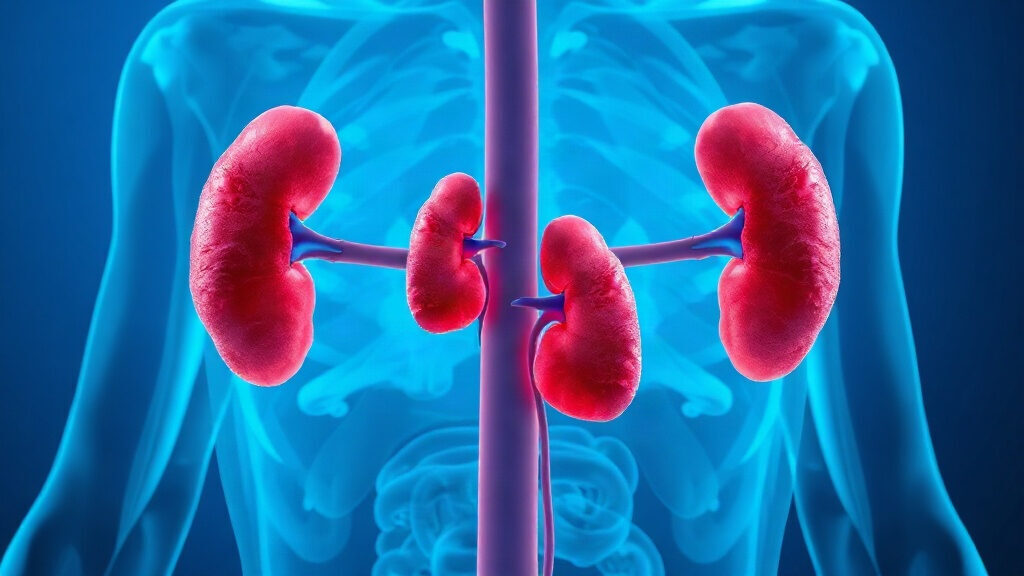
Heavy metals (lead, mercury, cadmium, arsenic) build up in the body through food, water, air and everyday objects, and the body relies on precise clearance circuits, mostly renal and biliary, to get rid of them. How long has this exposure existed? As long as human metallurgy itself. Who is affected? The whole population, to varying degrees depending on diet and environment. Where do these metals settle? Mainly the kidneys, liver, bones and nervous system. How does the body actually clear them, without the supplements and foot baths sold as miracle solutions? Toxicology data give a clear answer.
In brief – Heavy metals are elements such as lead, mercury, cadmium and arsenic that build up in tissues and disrupt cell function by inactivating key enzymes and generating oxidative stress. The body clears them through two main routes: renal filtration, which removes mostly cadmium in the urine, and biliary excretion into the stool, which handles methylmercury with the help of glutathione produced by the liver. A protein called metallothionein sequesters part of the metal load in the liver and kidneys to limit its toxicity while it awaits clearance. Hair and nails also fix a fraction of mercury, which serves as an exposure marker, not a useful elimination route. No food, supplement or foot bath sold as a detox for these elements has scientifically demonstrated increased elimination in a healthy person. Only a confirmed intoxication, verified by a blood or urine test, justifies a medically supervised chelation treatment.
Definition: What Heavy Metals Are and Why They Build Up
The term heavy metals covers a heterogeneous group of metallic elements, including lead, mercury, cadmium, arsenic and chromium, grouped less by a shared chemical property than by a common trait: toxicity at low doses and the capacity to accumulate in biological tissues. A toxicology review published in Frontiers in Pharmacology details their shared mechanisms of action, in particular the generation of reactive oxygen species and the inactivation of enzymes that contain sulfur-based groups (Balali-Mood et al., 2021).
- Lead comes from old paint, pipes and contaminated soil; it mainly affects the nervous system and hemoglobin synthesis.
- Mercury, in its methylated organic form, accumulates in predatory fish (tuna, swordfish) and targets the brain.
- Cadmium comes from tobacco and certain farm soils; it accumulates mainly in the kidneys, with a half-life measured in decades.
- Inorganic arsenic is found in contaminated groundwater and some rice, with a documented long-term cancer risk.
Unlike substances that are quickly metabolized, these elements do not break down: the body redistributes them, stores them temporarily or excretes them, but never chemically destroys them.
Mechanism: How the Body Captures, Stores and Prepares Elimination
When a heavy metal is absorbed through the digestive tract or the lungs, the first line of cellular defense is a protein called metallothionein. Rich in cysteine, it binds cadmium, mercury and zinc in the liver and kidneys, neutralizing part of their reactivity while they await transport to the excretory organs.
- Glutathione, produced by the liver from three amino acids, binds to organic mercury and facilitates its passage into bile.
- Liver and kidney metallothioneins temporarily store cadmium and limit damage to mitochondria and DNA.
- Specific biliary transporters move metal-glutathione complexes into the intestine, where they leave the body in the stool.
An experimental study in rats with a congenital defect in biliary glutathione excretion measured a methylmercury half-life of 46 to 54 days, compared with 18 to 22 days in healthy animals (Ballatori et al., 1995). This result establishes that the glutathione-dependent biliary route directly determines the elimination rate of organic mercury.
What the Science Says About the Real Elimination Pathways
Two routes dominate excretion in humans: renal filtration into the urine and biliary secretion into the stool. Their relative share depends on the metal involved, its chemical form and its tissue affinity.
- Cadmium is eliminated almost exclusively through urine, but very slowly: its renal half-life exceeds 10 years, which explains its progressive buildup with age, notably in smokers.
- Methylmercury mostly follows the fecal route. An analysis of human excretion confirmed that this biliary-fecal pathway accounts for a share that is quantitatively comparable to, or even greater than, urinary excretion for this compound (Ishihara, 2000).
- Lead partly deposits in bone, where it can remain for decades before being slowly released back into the blood, particularly during bone demineralization.
Hair and nails capture a fraction of mercury as they grow, which makes them a biological marker of past exposure used in environmental toxicology, but this deposit remains marginal compared with the renal and biliary routes: cutting your hair does not remove a meaningful body burden.
In Practice: Confirmed Intoxication vs. Everyday Background Exposure
The toxicity of heavy metals depends above all on the dose and duration of exposure, not on a binary toxic/non-toxic threshold. Lead poisoning, or plumbism, remains a recognized public health concern even where exposure has fallen since the ban on leaded gasoline and paint, MedlinePlus notes. In France, exposure has followed the same downward trend since those bans took effect, though cases still occur (MedlinePlus, Lead Poisoning). Background chronic exposure through food or air differs sharply from acute intoxication that requires medical care.
| Situation | Signs or context | Appropriate response |
|---|---|---|
| Background dietary exposure (fish, rice, tap water) | No symptoms, diffuse and cumulative exposure | Diversify food sources, limit large predatory fish |
| Suspected lead poisoning (older housing, young child) | Developmental issues, anemia, fatigue | Blood lead level test prescribed by a doctor, source investigation |
| Occupational exposure (welding, batteries, mining) | Mandatory occupational health monitoring | Regular blood and urine tests overseen by occupational health services |
| Confirmed acute intoxication | Blood or urine concentration above reference thresholds | Hospital chelation treatment (EDTA, DMSA) under strict medical supervision |
The liver plays a central role in this clearance, through the glutathione pathway detailed in our article on glutathione. Other environmental pollutants, such as microplastics or air pollution, draw on comparable liver and kidney detoxification pathways, which explains why these exposures often accumulate in the same person.
Protocol: What Actually Supports Elimination, and What Is Just Marketing
No solid clinical data support supplements marketed as natural chelators (chlorella, cilantro, clay) in a person without a diagnosed intoxication. A review of chelation therapy even describes it as one of the most misused interventions in clinical toxicology when it is used outside confirmed poisoning, with an unfavorable benefit-risk ratio in unsupervised use (Kosnett, 2010). Another review of chelation mechanisms confirms that pharmaceutical agents such as EDTA, DMSA or DMPS have a demonstrated place in confirmed intoxication, but not in preventive self-medication (Sears, 2013).
- Maintaining adequate glutathione status depends on sufficient protein and sulfur-rich vegetables (broccoli, cabbage, garlic), not a miracle supplement.
- Limiting exposure sources (large predatory fish, tobacco, unfiltered water in at-risk areas) reduces the load the body has to handle, and remains the most solid lever available.
- Adequate hydration supports renal filtration of cadmium, without speeding up an elimination process that is inherently slow.
Our article on detox and what the science actually says details why most commercial detox cures deliver nothing measurable to a liver and kidneys that are already working normally.
Frequently Asked Questions
How Long Does the Body Take to Eliminate Heavy Metals?
It depends entirely on the metal involved. Cadmium has a renal half-life of several decades, while methylmercury clears within a few weeks through the biliary route. Lead, for its part, can remain stored in bone for decades before being gradually released.
Do Detox Foot Baths Really Remove Heavy Metals?
No, no study has shown that an ionic foot bath removes heavy metals from the body. The discoloration of the water seen during the session comes from an oxidation reaction at the electrodes, regardless of whether a foot is actually in the basin.
What Is the Difference Between Medical Chelation and Store-Bought Natural Detox?
Medical chelation uses molecules such as EDTA or DMSA, prescribed and monitored by a doctor for intoxication confirmed by a blood test. Heavy metal detox products sold without a prescription have not shown comparable efficacy and can create a false sense of security in someone who is genuinely exposed.
How Can You Tell If You Are Exposed to Heavy Metals?
Only a biological test prescribed by a doctor (blood lead level, blood or urine mercury, urinary cadmium) can confirm significant exposure. Hair tests sold online without medical oversight are not standardized and should not be used as the basis for treatment.
Why Does Cadmium Stay in the Body Longer Than Mercury?
Cadmium binds strongly to renal metallothioneins, which considerably slows its release and filtration. Methylmercury, by contrast, benefits from an active exit route through bile and liver glutathione, which markedly shortens its presence in the body.
Medical disclaimer. The information provided here is for informational purposes only and does not constitute medical advice. It does not replace a consultation. Ask a healthcare professional before changing your diet, taking dietary supplements or starting a new practice, especially if you have a medical condition, are pregnant or are under treatment. Dietary supplements do not replace a balanced diet or medical follow-up.