How much protein intake does a person actually need each day to age well? The question sounds simple, yet it is one of the most debated topics in longevity nutrition. On one side, researchers urge moderation; on the other, experts recommend intakes that are far higher. To complicate matters further, two common calculation mistakes distort most estimates before the debate even starts. Here is that debate, worked through with real numbers.
In brief – Protein intake for longevity splits nutrition science into two camps: one urges moderation, around 0.8 g per kilogram of body weight, to limit growth pathways such as mTOR and IGF-1; the other recommends about 2 g per kilogram of lean body mass to prevent age-related muscle loss, or sarcopenia. Two calculation errors distort most estimates: a 150 g (5.3 oz) steak contains only 30 to 40 g of actual protein, since meat and fish are only 20 to 25% protein by weight, and a “2 g/kg lean mass” target for someone with 25% body fat works out to roughly 1.5 g/kg of total body weight, not 2. A reasonable middle ground favored by many longevity specialists sits between 1.2 and 1.6 g per kilogram of ideal weight, rising after age 65 to protect muscle, paired with resistance exercise and plant-based or fish-based sources.
The big debate: how much protein intake is right?
Two schools of thought face off, each backed by solid arguments. Understanding both helps place the debate in context.
The moderation camp, led by researchers such as Valter Longo and Steven Gundry, warns against excess protein, especially animal protein, in midlife. Their reasoning: a high intake activates cell-growth pathways such as mTOR and IGF-1, which are linked to aging and to certain cancers. They favor a moderate, largely plant-based intake of around 0.8 g per kilogram of body weight. This message is sometimes summarized as “no more than 25 to 30 g of protein per meal,” but that figure is a per-meal ceiling, not a daily total, which would be far too low on its own.
The muscle-preservation camp, championed notably by Peter Attia, points to the opposite risk: muscle loss, or sarcopenia, which threatens with age and leads to frailty. To prevent it, these experts aim for higher intakes, around 2 g per kilogram of lean body mass. Since muscle is a major driver of functional longevity, they argue it is better to overshoot than to fall short.
Two calculation traps to avoid
Before taking sides, two very common confusions need to be cleared up, since they distort almost every calculation.
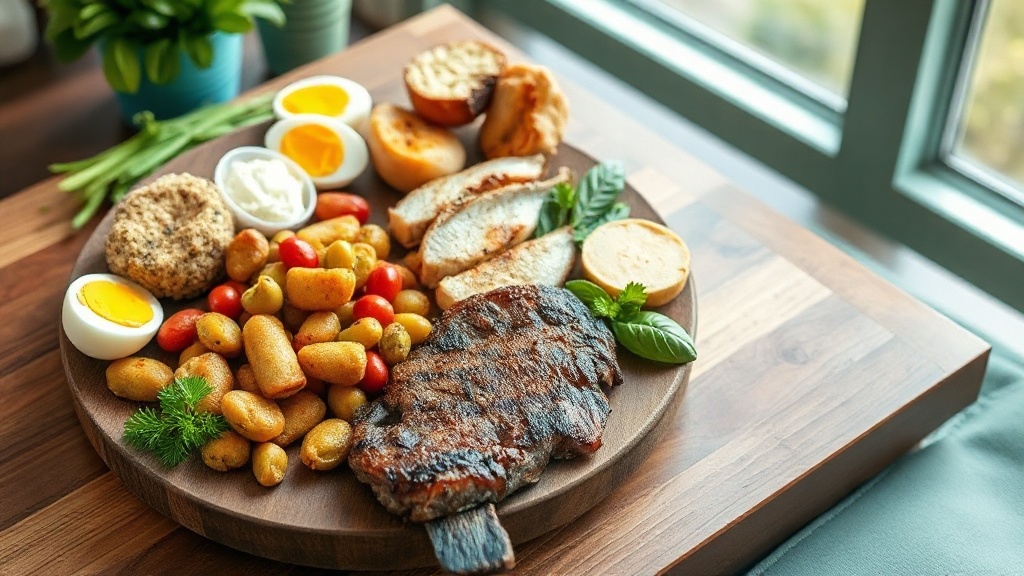
Trap one: the weight of a food is not the weight of its protein. A 150 g (5.3 oz) steak does not contain 150 g of protein, only about 30 to 40 g. Meat and fish are only 20 to 25% protein by weight, the rest being mostly water and fat. Reaching a high target therefore requires far more food than most people assume.
Trap two: lean mass is not total body weight. When an expert cites 2 g per kilogram of “lean” mass, they are excluding body fat. An average person carries about 25% body fat, so lean mass makes up roughly 75% of total weight. Aiming for 2 g/kg of lean mass therefore works out to about 1.5 g/kg of total weight, not 2.
Worked example
A 176 lb (80 kg) person with 25% body fat has a lean mass of about 132 lb (60 kg).
A target of “2 g/kg of lean mass” means 2 x 60 = 120 g of protein a day (not 160 g).
In food terms (about 20 to 25% protein), that is roughly 18 to 21 oz (500 to 600 g) of meat or fish across the day, split up and supplemented with eggs, legumes and dairy.
What the science says
Large observational studies paint a nuanced picture. In some research, a very high intake of animal protein in midlife has been associated with higher mortality, while a sufficient intake protects older adults (PubMed data).
On one point, though, the research is clear: after age 65, a more generous protein intake helps preserve muscle and prevent sarcopenia (PubMed data). The debate, then, turns less on a single number than on context: age, protein source and activity level (PubMed data). General nutrition guidance from the NHS makes the same point: intake should be tailored to each individual situation.
Reconciling the two views
What if both schools were right, each in its own way? Several nuances bring them together:
- Age changes everything: intake can stay moderate in midlife, but should rise after age 65 to 70 to counter sarcopenia. Even Valter Longo recommends this shift.
- Source matters: plant protein and fish support longevity better than red meat, whose excess raises other concerns such as Neu5Gc.
- Physical activity is decisive: paired with resistance training, protein actually builds muscle; without effort, extra protein is far less useful.
- Spacing it out helps: spreading intake across meals improves muscle protein synthesis.
A reasonable compromise, favored by many longevity specialists, sits around 1.2 to 1.6 g per kilogram of ideal body weight, favoring plant sources and fish, and backed by regular physical activity. Creatine can round out this muscle-focused strategy.
In practice: finding the right level for you
How does this translate into daily choices? The table below lays out the targets side by side, followed by a few simple benchmarks.
| Approach | Target | For a 154 lb (70 kg) adult |
|---|---|---|
| Moderation camp (Longo, Gundry) | about 0.8 g/kg body weight | about 56 g of protein a day |
| Muscle-preservation camp (Attia) | about 2 g/kg lean mass (roughly 1.5 g/kg total weight) | about 105 g of protein a day |
| Common middle ground | 1.2 to 1.6 g/kg ideal weight | about 84 to 112 g of protein a day |
| After age 65 to 70 | higher end of the range, or more | 110 g of protein a day or more |
- Estimate lean mass: use body weight and an approximate body-fat percentage to set a realistic target.
- Aim for a range: often 1.2 to 1.6 g/kg of ideal weight for an active adult, more after age 65.
- Count actual protein, not food weight: remember that 100 g (3.5 oz) of meat or fish provides only 20 to 25 g of protein.
- Diversify sources: fish, eggs, legumes and dairy, while limiting red meat.
- Move: without physical activity, protein intake loses much of its value, as the broader pillars of longevity make clear.
Anyone with kidney disease or another specific condition should always adjust protein intake together with a healthcare professional.
Frequently asked questions
How much protein intake does an adult need per day?
It depends on age, activity level and goals. A common benchmark among longevity specialists falls between 1.2 and 1.6 g per kilogram of ideal weight, more after age 65 to preserve muscle. Individual needs still vary.
Does a 150 g (5.3 oz) steak provide 150 g of protein?
No, far from it. Meat and fish contain only about 20 to 25% protein by weight. A 150 g (5.3 oz) steak therefore provides roughly 30 to 40 g of protein, the rest being mostly water and fat.
What does 2 g/kg of lean mass mean?
Lean mass excludes body fat. Since an average person carries about 25% body fat, lean mass makes up close to 75% of total weight. Aiming for 2 g/kg of lean mass therefore equals roughly 1.5 g/kg of total body weight.
Should protein intake increase with age?
Yes. After age 65 to 70, the body uses protein less efficiently, and the risk of sarcopenia rises. A more generous intake, combined with exercise, helps preserve muscle mass and independence.
Medical disclaimer. The information provided here is for informational purposes only and does not constitute medical advice. It does not replace a consultation. Ask a healthcare professional before changing your diet, taking dietary supplements or starting a new practice, especially if you have a medical condition, are pregnant or are under treatment. Dietary supplements do not replace a balanced diet or medical follow-up.