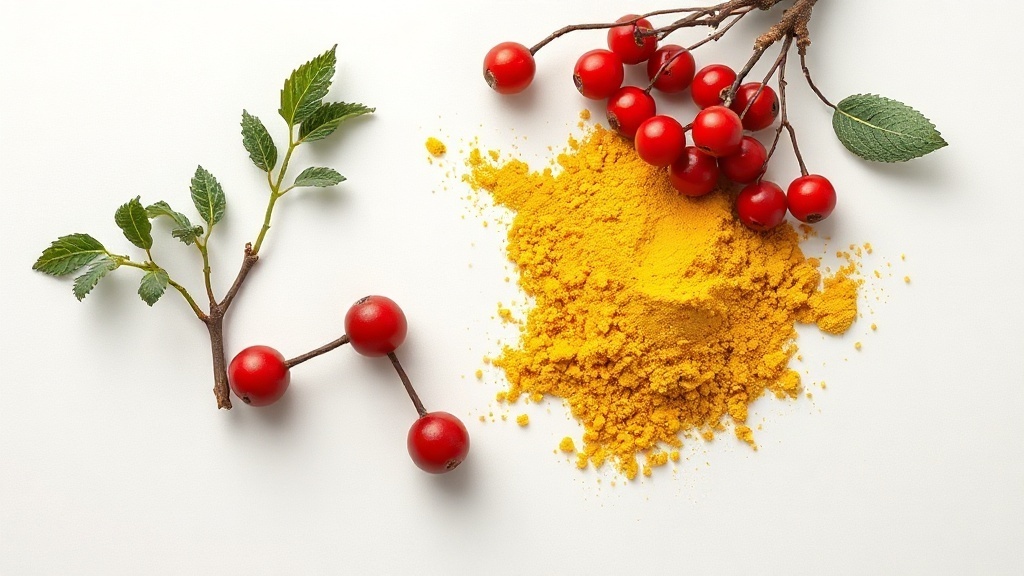
Berberine is a plant alkaloid that has been studied for two decades for its effects on blood sugar and cholesterol. Extracted from barberry (Berberis) or from the rhizome of Coptis chinensis, it activates a cellular enzyme called AMPK, through a mechanism similar to that of metformin. The available clinical trials focus on short-term metabolic markers, generally eight to twelve weeks, not on human lifespan.
In brief – Berberine is a plant alkaloid found in plants such as barberry and Coptis chinensis, used in herbal medicine for its action on blood sugar and cholesterol. It activates AMPK, an enzyme that regulates cellular energy metabolism, through a pathway similar to that of metformin. Several meta-analyses covering thousands of diabetic patients show a drop in glycated hemoglobin comparable to that of standard glucose-lowering drugs, along with a measurable effect on LDL cholesterol and triglycerides. In the roundworm C. elegans and in aged mice, studies report a lifespan extension linked to cellular senescence mechanisms. No human clinical trial, however, has measured an effect on mortality or longevity: the proven benefits remain metabolic. The molecule absorbs poorly when taken orally and interacts with several medications, which requires medical advice before use.
Definition: What Is Berberine?
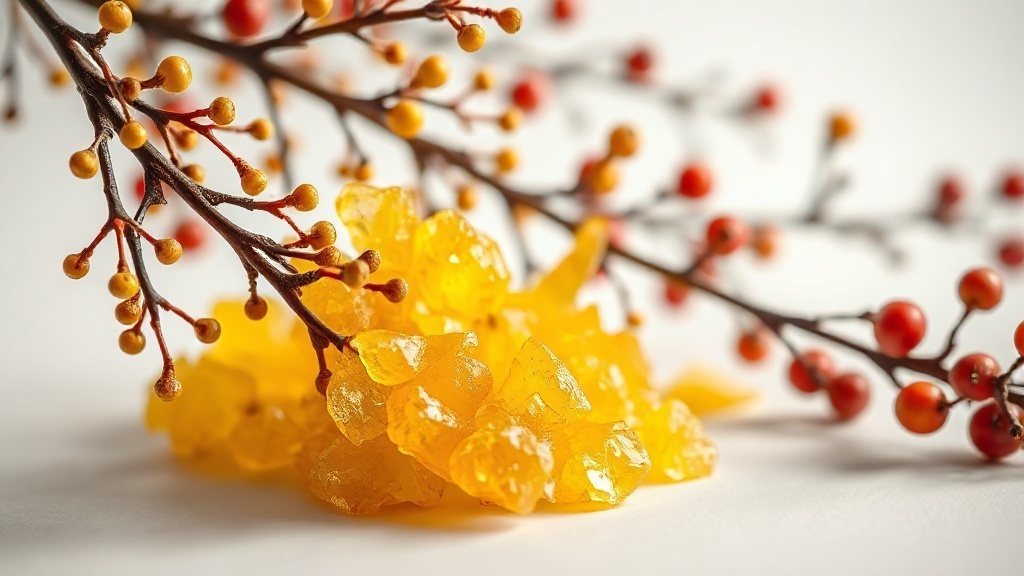
Berberine belongs to the family of isoquinoline alkaloids, compounds with a characteristic yellow color. It is found in several plants used in traditional Chinese and Ayurvedic medicine: barberry (Berberis vulgaris), goldenseal (Hydrastis canadensis), and especially Coptis chinensis, known as huang lian, used for centuries against digestive and infectious disorders.
Current dietary supplements isolate this alkaloid as a hydrochloride salt, generally dosed between 500 and 1500 mg per day, split across several doses. Its molecular structure does not resemble any synthetic drug, but its cellular effect largely overlaps with that of metformin, the reference treatment for type 2 diabetes.
Mechanism of Action: How Berberine Affects Metabolism
It mildly inhibits complex I of the mitochondrial respiratory chain. This disruption changes the AMP/ATP ratio inside the cell and triggers activation of AMPK (adenosine monophosphate-activated protein kinase), a central energy sensor described by Lee and colleagues in 2006 in insulin-resistant rodents (Lee 2006).
Once activated, AMPK triggers a cascade of effects:
- Increased glucose uptake by muscle cells, independent of insulin.
- Reduced hepatic production of glucose and cholesterol.
- Stimulation of LDL receptor expression, which speeds up the clearance of blood cholesterol.
- Modulation of the gut microbiome, with an increase in bacteria that produce short-chain fatty acids such as butyrate (Wang 2017).
This same metabolic crossroads is involved in regulating cellular senescence: an in vitro study on human fibroblasts showed that the molecule slows the conversion of growth-arrested cells into a senescent state, through mTOR inhibition and AMPK activation (Zhao 2013). It is this mechanistic bridge, between glucose metabolism and the biology of cellular aging, that fuels longevity researchers’ interest in this molecule.
What the Science Says: Blood Sugar, Cholesterol and Longevity
The strongest evidence concerns type 2 diabetes. The largest available meta-analysis, covering 46 randomized trials and 4158 patients, reports an average drop in glycated hemoglobin of 0.75 points, with no significant difference compared with metformin alone (Guo 2021). A direct comparative trial in 36 patients had already shown an HbA1c drop from 9.47% to 7.48% under this treatment, comparable to the result obtained with metformin (Yin 2008).
For lipids, a meta-analysis of 18 trials and 1788 patients reports an LDL drop of 0.46 mmol/L (about 17.8 mg/dL), with an HDL increase observed specifically in women (Blais 2023). The gut microbiome plays a direct role in this effect: the PREMOTE study, conducted in 409 diabetic patients, identified the bacterium Ruminococcus bromii as a mediator of part of the glycemic response to berberine (PREMOTE, 2020).
Regarding longevity in the strict sense, the data exist only in animals. In C. elegans, berberine extends average lifespan by 27.3% through activation of the DAF-16/FOXO and SKN-1/NRF2 pathways (Bei 2025). In aged mice, a Chinese team reports an increase in residual lifespan and a reduction in senescence markers (p16, cyclins), with an overall lifespan extension of 16.49% in a cohort of naturally aged mice (Dang 2019). No human clinical trial has measured a mortality or biological aging endpoint: a 12-week controlled trial was limited to cardiovascular risk factors, with no long-term follow-up (Zhao 2021). Unlike metformin, which is the subject of the TAME trial on human aging, berberine currently has no such trial underway.
In Practice: Who Should Consider It, and Under What Conditions?
People likely to benefit from medical evaluation before trying this supplement include those with prediabetes or confirmed insulin resistance, under the supervision of a healthcare professional, a topic already covered in detail in our article on insulin resistance. Elevated fasting blood sugar is also a relevant signal, to be interpreted as explained in our guide on fasting blood sugar. Berberine belongs to the same family of levers as insulin resistance, a central axis of the deregulated nutrient sensing pillar.
Berberine is not a first-line treatment: it replaces neither a prescribed antidiabetic drug nor a statin used for secondary cardiovascular prevention. The table below situates its profile relative to metformin, which activates the same AMPK pathway.
| Criterion | Berberine | Metformin |
|---|---|---|
| Status | Dietary supplement | Prescription medication |
| Effect on HbA1c | -0.75 points on average (meta-analysis) | Comparison reference, similar effect |
| Oral bioavailability | Low, under 1% | Good, about 50-60% |
| Clinical track record | Short trials, 8 to 12 weeks | Decades of follow-up, TAME trial underway on aging |
| Digestive effects | Frequent diarrhea at the start of use | Frequent digestive issues, dose-dependent |
Protocol and Precautions
The protocols studied in clinical trials combine 500 mg of berberine, two to three times a day with meals, over a period of 8 to 12 weeks. The molecule’s low oral bioavailability, under 1% in animal studies, partly explains why split doses are preferred over a single dose.
- Never combine berberine with an antidiabetic or lipid-lowering treatment without medical advice: the combined effect can cause hypoglycemia.
- Berberine inhibits the cytochrome CYP3A4 enzyme, increasing exposure to many medications metabolized through this pathway, including some anticoagulants and immunosuppressants (Guo 2012).
- Diarrhea is the most commonly reported side effect, linked to a temporary change in the gut microbiome (Yue 2019).
- Pregnancy and breastfeeding are strict contraindications: berberine displaces albumin-bound bilirubin, a mechanism linked to the risk of kernicterus in newborns (Chan 1993).
In the United States, the National Center for Complementary and Integrative Health cautions that herbal supplements such as berberine are not tested for safety and effectiveness to the same standard as prescription drugs, and advises medical consultation before use in pregnant or breastfeeding women, people being treated for diabetes, and those with liver or heart disease (NCCIH). This echoes the historical restriction on berberine-containing herbs in Singapore between 1978 and 2012, prompted by cases of neonatal jaundice.
Frequently Asked Questions About Berberine
Does Berberine Replace Metformin?
No. Both molecules activate the same AMPK pathway and show comparable effects on glycated hemoglobin in some trials, but metformin has decades of clinical track record and an ongoing trial on human aging (TAME). Berberine remains a dietary supplement, never a substitute for a prescribed treatment without medical advice.
How Long Does It Take to See an Effect on Blood Sugar?
Clinical trials generally measure an effect on glycated hemoglobin after 8 to 12 weeks of continuous use. No reliable data documents an effect below four weeks, and the effect depends heavily on dose and consistency of use.
Does Berberine Have a Proven Effect on Human Longevity?
Not so far. The lifespan extensions observed concern the roundworm C. elegans and mice, through mechanisms of cellular senescence and oxidative stress. No human clinical trial has measured a mortality or biological aging endpoint, only short-term metabolic markers.
Who Should Avoid Berberine?
Pregnant or breastfeeding women, newborns, people on anticoagulant, immunosuppressant, or antidiabetic therapy, and those with severe liver or heart disease. Health authorities recommend prior medical advice in all these cases, since safety at commercially available doses is not guaranteed.
Medical disclaimer. This information is provided for informational purposes only and does not constitute medical advice. It does not replace a consultation. Ask a healthcare professional before changing your diet, taking dietary supplements or starting a new practice, especially if you have a medical condition, are pregnant or are under treatment. Dietary supplements do not replace a balanced diet or medical follow-up.