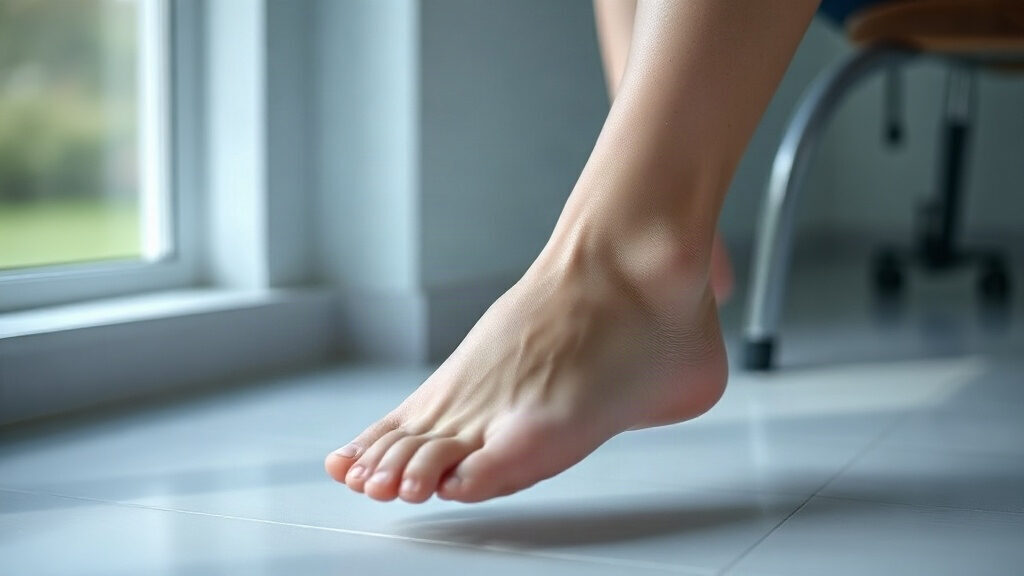
Water retention describes the buildup of fluid in the tissues, most often in the ankles, hands or face. Every day, UltraSante readers ask why this swelling shows up by the end of the day, before a period, or during a long-haul flight, and above all when it should raise concern. Here is what published research shows on the subject, from simple daily steps to the signs that call for medical advice.
In brief – Water retention is an excess of fluid in the space between cells, driven by an imbalance between sodium intake, certain hormones, and venous or lymphatic return. The most common causes are excess dietary salt, heat, prolonged immobility and hormonal shifts during the menstrual cycle. Most episodes ease with movement, a less salty and potassium-rich diet, or compression stockings. Sudden swelling in a single leg, or swelling paired with shortness of breath and rapid weight gain, calls for prompt medical advice instead, since it can signal a blood clot, heart failure or kidney disease.
What is water retention?
Water retention refers to an excess of fluid in the interstitial compartment, the space between cells and blood vessels. The body constantly balances the water held in blood, tissues and cells, mainly through sodium and potassium. When this system tips, even slightly, fluid builds up and tissue swells: doctors call this edema once it becomes visible. The symptom is not a disease in itself, but a signal whose origin ranges from a simple salt excess to a heart, kidney or vein condition.
Why the body retains water
Sodium draws water by osmosis: the higher the intake, the more extracellular fluid increases to keep its concentration stable. This mechanism is controlled by the renin-angiotensin-aldosterone system (RAAS), which signals the kidneys to hold onto sodium and water. Several factors can activate or disrupt this system and encourage water retention:
- Excess dietary sodium: ready meals, cold cuts, cheese, sauces.
- Hormonal shifts during the menstrual cycle: the drop in progesterone during the luteal phase lifts its anti-aldosterone effect.
- Heat: skin vasodilation encourages fluid to move into the tissues.
- Prolonged immobility: sitting or standing still, long-haul flights, no calf muscle contraction.
- Venous or lymphatic insufficiency: blood return to the heart works less efficiently, and fluid pools in the legs.
- Certain medications: anti-inflammatories, corticosteroids or calcium channel blockers can promote swelling; discuss this with a doctor or pharmacist.

What the science says about water retention
Cutting dietary salt lowers blood pressure and extracellular fluid volume: a Cochrane systematic review of randomized trials lasting more than four weeks confirms this dose-dependent effect in adults (He et al., 2013). Conversely, adequate potassium intake promotes urinary sodium excretion and lowers blood pressure, with a U-shaped relationship: the benefit is clear up to a certain threshold, then tapers off (Filippini et al., 2020).
In women with premenstrual syndrome marked by swelling, a comparative study measured higher plasma renin activity and aldosterone in the late luteal phase than in women without symptoms, supporting the idea of a hormonal dysregulation of the renin-angiotensin-aldosterone system rather than a purely subjective sensation (Rosenfeld et al., 2008). Estrogen and progesterone more broadly reshape fluid regulation across the cycle and at menopause, a mechanism described in an exercise physiology review (Stachenfeld, 2008).
For swelling linked to posture, a controlled trial among workers standing more than eight hours a day found that wearing compression stockings significantly reduced end-of-day leg volume compared with no compression (Partsch et al., 2004). In France, salt intake averages an estimated 8 to 10 g a day, well above the maximum of 5 g recommended by the World Health Organization.
Recognizing the type of swelling
Where swelling shows up and the context in which it appears already point to the likely cause, even before seeing a doctor. The table below sums up the most common situations and the step worth trying first.
| Likely cause | Typical location | Triggering context | Step to try first |
|---|---|---|---|
| Excess dietary sodium | Ankles, fingers, face | Ready meals, restaurant food, heat | Cut added salt, eat more fruit and vegetables |
| Premenstrual syndrome | Abdomen, breasts, fingers | Luteal phase, a few days before the period | Track the cycle, light physical activity |
| Heat or immobility | Ankles, legs | Long-haul flight, prolonged sitting or standing | Move regularly, elevate the legs |
| Venous insufficiency | Legs, often worse by evening | Age, heredity, repeated standing | Compression stockings, regular walking |
| Warning sign: heart, kidney or liver | Widespread, sometimes one leg only | Shortness of breath, rapid weight gain, pain | Prompt medical evaluation |
The potassium benchmark deserves particular attention: dietary intake from legumes, fruit and leafy greens naturally complements the drop in sodium rather than replacing it. Hormonal shifts across the cycle and menopause also share mechanisms with cortisol regulation, another hormone that shapes fluid balance.
How to reduce swelling day to day
Occasional swelling linked to salt, heat or immobility usually responds to simple steps, without medication:
- Limit added salt and ultra-processed foods, the main source of sodium in a typical diet.
- Favor potassium-rich foods: legumes, bananas, spinach, potatoes with the skin on.
- Move every hour during prolonged sitting or standing, to reactivate the calf muscle pump.
- Elevate the legs in the evening, above heart level for fifteen to twenty minutes.
- Wear properly fitted compression stockings for repeated standing or long trips.
- Drink enough water: insufficient hydration instead pushes the body to hold onto sodium and the fluid it has available.
These measures apply to mild swelling. A broader pillar on sodium and potassium regulation also supports blood pressure over the long run, beyond the visible swelling alone.
Frequently asked questions about water retention
Does drinking more water make water retention worse?
No. Insufficient hydration pushes the kidneys to hold onto more sodium and fluid, which sustains swelling. Drinking regularly throughout the day instead helps the kidneys clear excess sodium. Only people following a fluid restriction prescribed for heart or kidney failure should stick to the volumes set by their doctor.
Which foods promote water retention?
Ready meals, cold cuts, aged cheeses, industrial bread and sauces often concentrate the most added sodium. Salty snacks and fast food add to this load. Fruit, vegetables and legumes, by contrast, provide potassium, which promotes urinary excretion of excess sodium.
When should water retention raise concern?
Prompt medical advice is needed for sudden swelling in a single leg that is warm and painful, which can signal a venous blood clot. Rapid weight gain paired with shortness of breath or widespread swelling can point to heart, kidney or liver decompensation. In these situations, the symptom is no longer a simple discomfort and calls for evaluation without delay.
Does magnesium help with premenstrual water retention?
Some women report relief from premenstrual swelling with adequate magnesium intake, alongside regular physical activity. The available data, however, remain limited and inconsistent across studies. This option is best discussed with a healthcare professional rather than used as prolonged, high-dose self-medication.
Does water retention cause lasting weight gain?
No, this phenomenon changes the number on the scale without changing fat mass. A gain of one to two kilograms (about 2 to 4 pounds) over a few days, which disappears just as quickly, is most often fluid rather than fat tissue. A sharp, lasting weight change, on the other hand, warrants a visit to a doctor to identify the cause.
Medical disclaimer. The information provided here is for informational purposes only and does not constitute medical advice. It does not replace a consultation. Ask a healthcare professional before changing your diet, taking dietary supplements or starting a new practice, especially if you have a medical condition, are pregnant or are under treatment. Dietary supplements do not replace a balanced diet or medical follow-up.