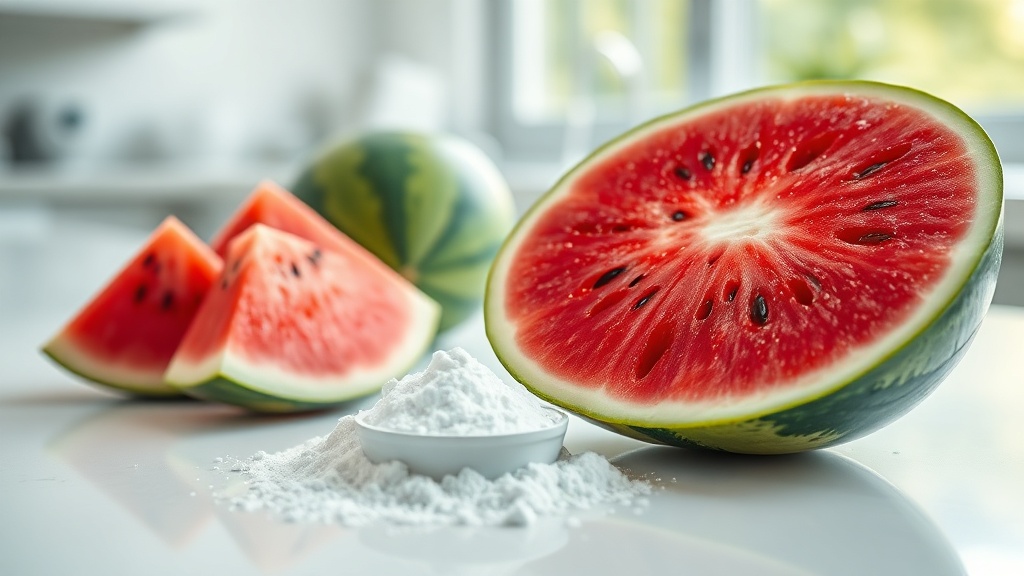
Citrulline is a non-protein amino acid studied for its role in nitric oxide production, vascular health and muscle recovery. Synthesized in the intestine from glutamine, it is also found in watermelon and sold as a powder or in capsules. Researchers have evaluated it since the 2000s for athletic performance, blood pressure and, more recently, vascular and muscle aging.
In brief – Citrulline is an amino acid that the body converts into arginine and then into nitric oxide, a messenger that dilates blood vessels. In adults aged 54 to 72, a 2025 meta-analysis of 8 randomized trials (176 participants) found an improvement in flow-mediated dilation, a marker of endothelial health, with no net effect on overall arterial stiffness. On blood pressure, results remain mixed: a 2018 meta-analysis of 5 trials reported no significant decrease. In sports settings, 3 to 8 grams of citrulline before exercise reduce perceived exertion and muscle soreness at 24 hours, with no demonstrated effect on blood lactate. Its role in muscle protein synthesis, promising in laboratory studies, has not yet been confirmed in older humans.
Definition
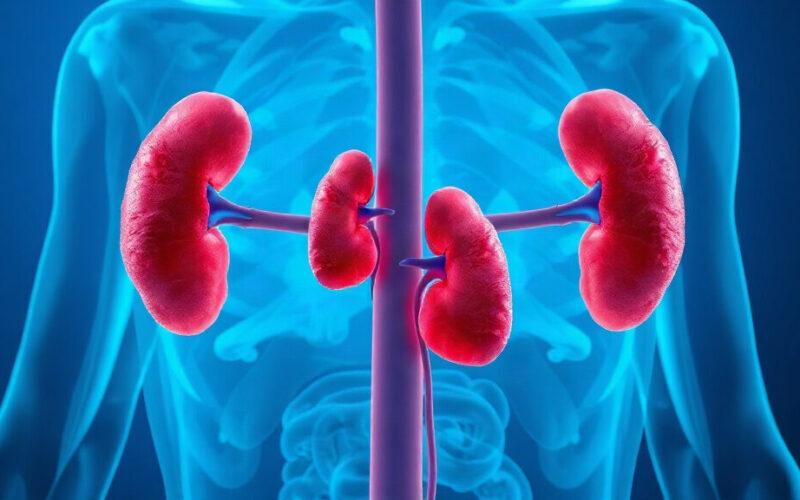
Unlike the proteinogenic amino acids that make up our proteins, it circulates as a free metabolic intermediate. It takes its name from watermelon (Citrullus lanatus), its richest food source. In the body, the small intestine produces it from glutamine, and the kidneys then convert it into L-arginine, the precursor of nitric oxide, a pathway that explains most of the interest in the molecule, in both cardiology and sports medicine.
Mechanism and composition
Once absorbed, it largely escapes first-pass liver metabolism, unlike arginine taken directly, which makes it more effective at durably raising plasma arginine levels. It acts through several pathways:
- Nitric oxide pathway: renal conversion into arginine, a substrate for endothelial NO synthase, which promotes vasodilation of blood vessels.
- Muscle energy pathway: under cellular stress, citrulline redirects mitochondrial ATP toward the protein synthesis machinery, according to work conducted on mouse myotubes and rat mitochondria (Goron et al., 2019).
- Ammonia pathway: it takes part in the urea cycle and limits ammonia buildup during prolonged exercise.
What the science says about citrulline
Vascular function is where this molecule has advanced the most over the past decade. A 2025 meta-analysis of 8 randomized trials and 176 adults aged 54 to 72 (Luo et al., Frontiers in Nutrition) reports a significant improvement in brachial flow-mediated dilation, a direct marker of endothelial health that declines with age. Overall arterial stiffness, measured by pulse wave velocity, does not change significantly, except in the brachial-ankle subgroup.
On blood pressure, however, the evidence diverges. A 2018 meta-analysis of 5 trials published in Current Hypertension Reports (Mirenayat et al.) found no significant decrease in systolic or diastolic pressure, whether brachial or aortic. Another synthesis reporting decreases of several mmHg has since been retracted by its journal, so UltraSante does not cite it. The strongest signal remains improved endothelial function, not a measurable drop in blood pressure in healthy adults.
In sports practice, the most reproducible effect involves perceived exertion and muscle soreness. A 2020 meta-analysis of 13 trials and 206 participants (Rhim et al., Journal of Sport and Health Science) shows a significant reduction in perceived exertion and muscle soreness at 24 hours after exercise, with no effect on blood lactate or on soreness at 48 to 72 hours. The founding trial by Perez-Guisado and Jakeman (2010) had shown, in 41 trained men, that a single 8 gram dose of citrulline malate increased the number of repetitions on the bench press compared with placebo.
On aging muscle, the lead is real but early. In mouse myotubes and rat mitochondria, citrulline redirects cellular energy toward protein synthesis under stress conditions (Goron et al., 2019), a mechanism not yet confirmed in older humans. A 2021 pilot study in 23 older women with low BMI (Kim et al., Foods) linked this amino acid, combined with leucine and exercise, to gains in weight and body mass, though the effect cannot be attributed to citrulline alone since the intervention combined two nutrients.
In practice and indications
Citrulline is mainly relevant to two profiles: athletes preparing for intense training sessions and adults monitoring their vascular health as they age. It fits into a broader approach to longevity, alongside other levers of the vascular pathway such as nitric oxide or other muscle-supporting nutrients such as creatine. Daily protein intake remains the main lever for muscle mass; citrulline only plays a supporting role there, one still poorly quantified in humans.
| Form | Studied dose | Documented use | Evidence level |
|---|---|---|---|
| Pure L-citrulline | 3 to 6 g, 1 hour before exercise or continuously for 4+ weeks | Perceived exertion, endothelial function | Moderate (meta-analyses) |
| Citrulline malate | 8 g, single dose | Anaerobic performance (repetitions) | Moderate (crossover trial) |
| Combination with leucine | Variable, combined with exercise | Body composition in older women | Low (1 pilot trial, n=23) |
| Watermelon (food source) | Concentrated extract or juice, several g per day | Endothelial function (FMD) | Moderate (meta-analysis) |
Citrulline protocol and dosage tips
Protocols tested in research converge on a few practical benchmarks:
- Sport: 3 to 8 g of L-citrulline or its malate form, taken 30 to 60 minutes before exercise.
- Vascular: trials with positive effects on endothelial function use 3 to 6 g per day for at least 4 weeks.
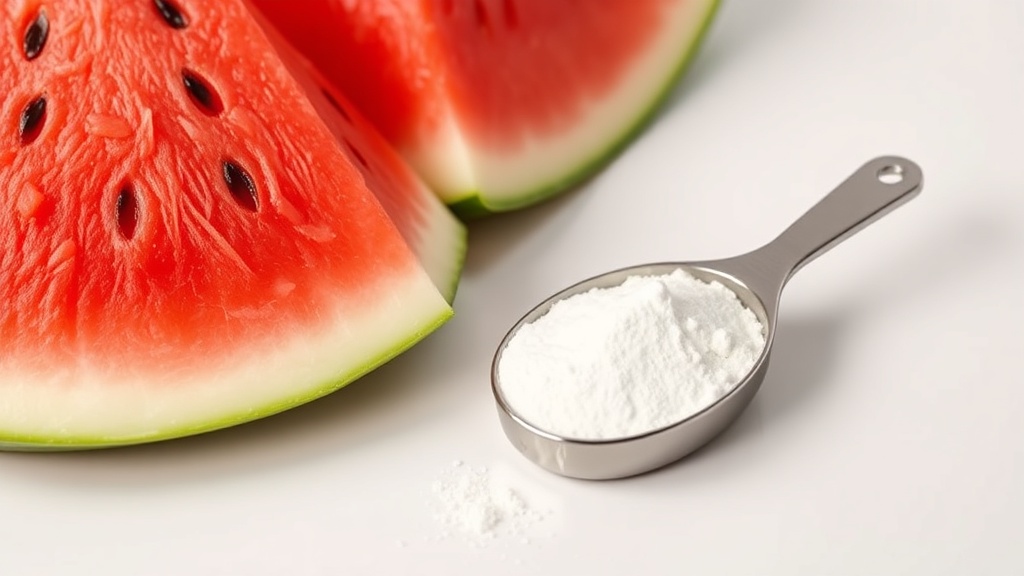
- Diet: watermelon and its white rind remain the most concentrated food source of natural citrulline.
- Caution: ask a healthcare professional for advice if you are being treated for blood pressure or have kidney disease, before combining several amino-acid based sports supplements (see the NIH Office of Dietary Supplements’ guidance on dietary supplements).
Frequently asked questions
How long before exercise should citrulline be taken?
Trials showing benefits for performance and recovery use a single dose of 3 to 8 grams of L-citrulline or its malate form, taken 30 to 60 minutes before exercise. This window allows time for renal conversion into arginine and for circulating nitric oxide to rise, without a prolonged loading phase.
Does citrulline lower blood pressure?
The results are mixed. A meta-analysis of 5 trials (2018) found no significant decrease in systolic or diastolic pressure. It does improve flow-mediated dilation, a marker of vascular health, but this does not automatically translate into a measurable drop in blood pressure in adults without hypertension.
What is the difference between citrulline and arginine?
Arginine taken directly is largely broken down by the liver before it reaches general circulation. It escapes this first-pass metabolism: the kidneys convert it into arginine further along the pathway, which raises plasma arginine levels more durably and increases nitric oxide availability.
Does citrulline help preserve muscle mass with age?
Laboratory studies show that it redirects cellular energy toward protein synthesis under stress conditions, in mice and rats. A pilot study in 23 older women suggests an effect on body composition when combined with leucine and exercise, but this mechanism has not yet been confirmed in older humans in general.
Does watermelon contain enough citrulline for a measurable effect?
The flesh, and especially the white rind, of watermelon are the richest natural food sources. Trials showing improved endothelial function used concentrated extracts or juices providing several grams per day, an amount that is hard to reach with typical servings of fresh watermelon.
Medical disclaimer. The information provided here is for informational purposes only and does not constitute medical advice. It does not replace a consultation. Ask a healthcare professional before changing your diet, taking dietary supplements or starting a new practice, especially if you have a medical condition, are pregnant or are under treatment. Dietary supplements do not replace a balanced diet or medical follow-up.