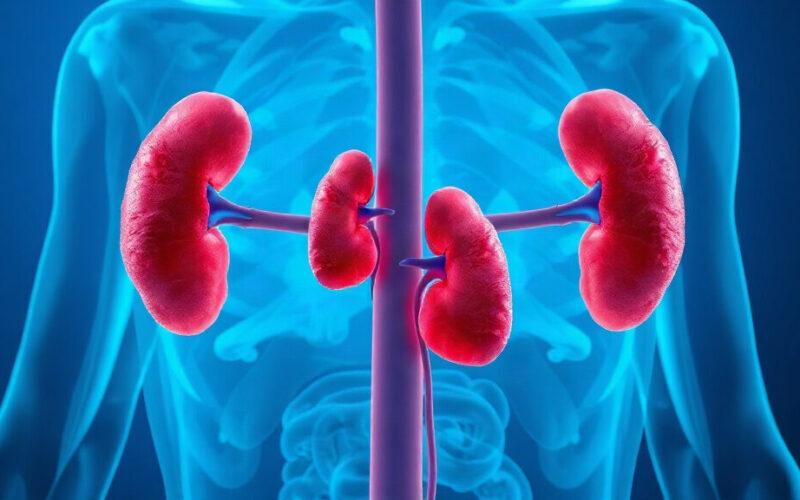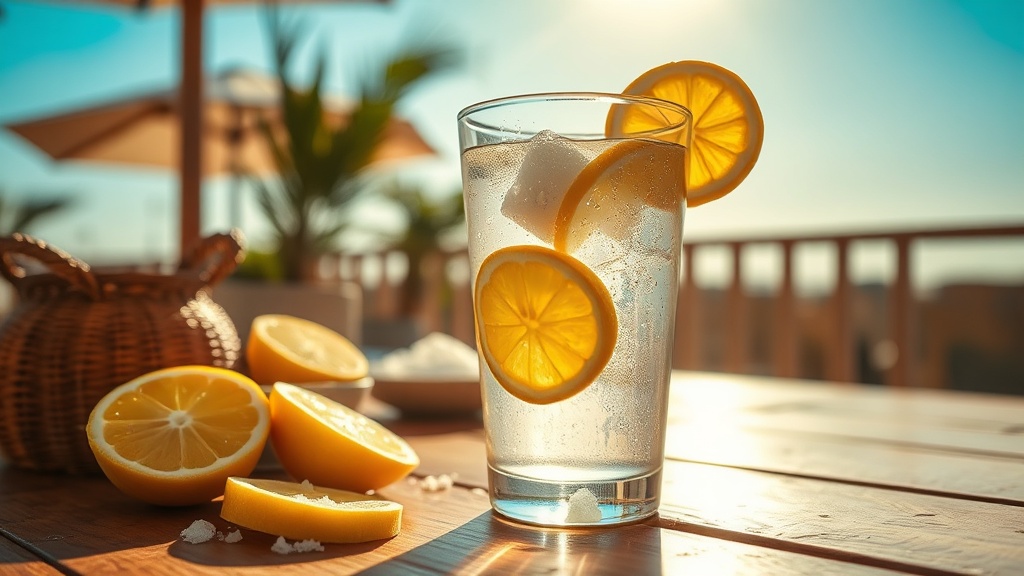
Heatwave mineral loss often goes hand in hand with dehydration: heavy sweating strips the body not just of water but also of sodium, potassium and magnesium, minerals essential to muscle and heart function. This article explains how to spot the warning signs, who faces the highest risk, and which simple habits reduce that risk during a heatwave, especially for older adults and outdoor athletes.
In brief – Heatwave mineral loss occurs when intense sweating during a heat spike strips the body of essential minerals, sodium, potassium and magnesium, along with water, all needed for muscle contraction and heart rhythm. In adults aged 80 and older, the risk of severe hyponatremia (an abnormally low blood sodium level) is fifteen times higher on the hottest days than on cool days, based on a Swedish study of more than 11,000 hospital admissions. Warning signs include unusual fatigue, cramps, confusion, and dark, infrequent urine. Water alone does not always solve the problem: during prolonged heavy sweating, salting meals normally and eating potassium-rich foods remains advisable, without exceeding ordinary needs.
What Is Heatwave Mineral Loss?
Heatwave mineral loss refers to the minerals dissolved in sweat that the body loses during high heat, chiefly sodium (average concentration of 35 mmol/L), along with smaller amounts of potassium, calcium and magnesium (Sawka & Montain, 2000). It almost always accompanies water loss, but the two are not corrected the same way: drinking large amounts of water without replacing sodium can dilute the blood and worsen an imbalance called hyponatremia. The term does not describe a deficiency that builds up over months, but an acute imbalance that reverses within days once fluid and salt intake are adjusted.
How Heat Drains the Body’s Mineral Reserves
When temperatures rise, sweat glands work harder to cool the body through evaporation. This cooling mechanism causes a simultaneous loss of several minerals, in amounts that vary with sweat rate and heat acclimatization:
- Sodium: 10 to 70 mmol/L of sweat, the most concentrated mineral, essential for blood pressure regulation and nerve signaling.
- Potassium: about 5 mmol/L, involved in muscle contraction and heart rhythm.
- Magnesium: about 0.8 mmol/L, a cofactor in hundreds of metabolic reactions.
- Calcium: about 1 mmol/L, present in smaller amounts but involved in blood clotting and muscle contraction.
In someone acclimatized to heat over several days, sweat glands reabsorb sodium more efficiently, and its concentration in sweat drops by more than half for the same sweat volume (Sawka & Montain, 2000). This protective mechanism takes time to develop, which is why the very first days of a heatwave carry the highest risk of mineral loss.
What the Research Shows About Heatwave Mineral Loss
A Swedish study of 11,213 hospital admissions for hyponatremia between 2005 and 2014 measured a stable incidence of 0.3 cases per million person-days between minus 10°C (14°F) and 10°C (50°F), rising to 2.26 cases per million above 25°C (77°F), and up to 35 cases per million person-days in adults aged 80 and older, fifteen times higher than on a cool day (Mannheimer et al., 2022, Journal of Clinical Endocrinology & Metabolism). Older women appear especially exposed, with 3.8 cases per million person-days at 25°C (77°F) compared with 0.68 in men.
This vulnerability also stems from the physiology of aging. A Canadian review published in CMAJ notes that thirst sensation declines with age, sweating starts later, and some common medications (diuretics, ACE inhibitors) alter the kidney’s response to salt, delaying the perception of fluid and mineral deficits (Kenny et al., 2010). This association does not mean every older adult will develop hyponatremia during a heatwave, but it explains the overrepresentation of people over 80 among hospital admissions recorded during heatwaves.
Who Is Most at Risk of Heatwave Mineral Loss
Not everyone faces the same risk from this mineral loss. Four profiles carry a greater vulnerability, summarized in the table below. For a broader look at hydration needs by age, our article on hydration and longevity details practical benchmarks.
| Profile | Risk factor | Warning sign to watch |
|---|---|---|
| Adults aged 75 and older | Reduced thirst sensation, frequent diuretic use | Confusion, unusual drowsiness |
| Outdoor athletes | Prolonged sweating during intense exercise | Cramps, dizziness, sudden drop in performance |
| People with kidney or heart disease | Already impaired sodium regulation | Swelling, unstable blood pressure |
| Infants and young children | High body surface area relative to weight | Sunken fontanelle, lethargy, fewer wet diapers |
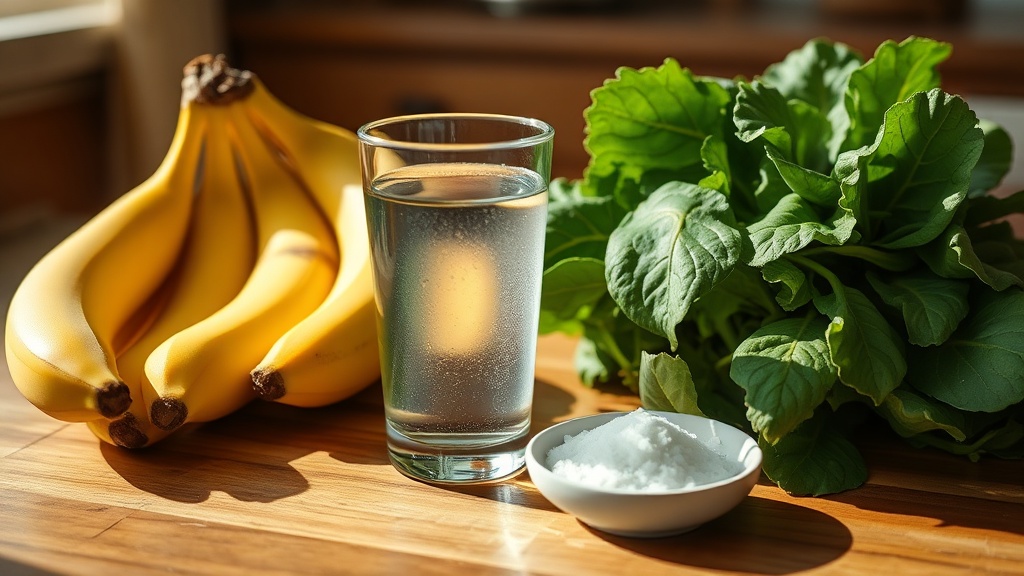
Potassium deserves particular attention: a sufficient dietary intake (fruit, vegetables, legumes) limits cramps linked to this mineral loss without resorting to supplements that are not medically justified, see our full guide on potassium.
Steps That Limit Heatwave Mineral Loss
Limiting these mineral losses comes down to a few simple habits. Drinking regularly, without waiting to feel thirsty, remains the foundation: about one glass of water every hour during daytime hours in a heat spike, spread throughout the day rather than all at once. Beyond water, several habits limit the simultaneous loss of minerals:
- Salt meals normally rather than cutting out salt, unless a doctor advises otherwise (heart failure, prescribed low sodium diet).
- Favor foods rich in potassium and magnesium: bananas, legumes, spinach, magnesium-rich mineral water.
- Limit alcohol and coffee, which increase urinary losses of water and sodium.
- Weigh a frail older adult each morning during a heatwave: a loss of more than 1 kg (about 2.2 lb) in 24 hours signals dehydration that needs prompt correction.
For a deeper look at how heatwaves affect an aging body overall, our article on heatwaves and longevity details the cardiovascular mechanisms involved. The CDC’s guidance on extreme heat outlines the collective and individual measures to adopt as soon as high temperatures begin. The Preventive Health pillar of the site brings together our content on seasonal prevention.
Frequently Asked Questions
How do you know if you are experiencing mineral loss during a heatwave?
Warning signs include unusual fatigue, muscle cramps, headaches, and dark or infrequent urine. In an older adult, new confusion or drowsiness should raise concern first, since thirst is often less well perceived with age. Prompt medical advice is needed if these signs persist beyond a few hours.
Does drinking water alone make up for this mineral loss?
Not always. Drinking large amounts of water without replacing the sodium lost through sweat can dilute the blood and worsen an imbalance called hyponatremia, more common in older adults during heat spikes. Salting meals normally and eating foods rich in potassium and magnesium usefully complements hydration.
Why are older adults more exposed to mineral loss during a heatwave?
With age, thirst sensation declines, sweating starts later, and some diuretic medications alter how the kidneys manage sodium. A Swedish study measured a fifteen times higher risk of severe hyponatremia in adults aged 80 and older on the hottest days compared with cool days.
What is the difference between dehydration and mineral loss?
Dehydration refers to a loss of body water; mineral loss refers to minerals dissolved in sweat, sodium, potassium, magnesium and calcium. The two often occur together during a heatwave, but are corrected differently: water alone restores neither the sodium nor the potassium that is lost.
Medical disclaimer. The information provided here is for informational purposes only and does not constitute medical advice. It does not replace a consultation. Ask a healthcare professional before changing your diet, taking dietary supplements or starting a new practice, especially if you have a medical condition, are pregnant or are under treatment. Dietary supplements do not replace a balanced diet or medical follow-up.