DHEA (dehydroepiandrosterone) is one of the hormones most heavily marketed online as an “anti-aging” fix, even though getting the right DHEA dose still requires a prescription in France. Produced by the adrenal glands, this precursor hormone declines with age and has fueled hopes of slowing aging since the 1990s. Randomized trials tell a more nuanced story: a clear benefit in specific medical situations, no measurable effect in healthy older adults.
In brief – DHEA is a steroid hormone secreted by the adrenal glands, a precursor of testosterone and estrogen, whose blood level drops by about 80% between ages 20 and 70. In France, it has no marketing authorization and is available only by prescription, compounded at the usual DHEA dose of 25 to 50 mg per day. In healthy older adults, controlled trials (NEJM, 2006, n=87) show no benefit for muscle strength, body composition or quality of life. The picture changes in two specific populations: adrenal insufficiency, where DHEA restores well-being and libido, and menopausal vulvovaginal atrophy, where its intravaginal form (prasterone) reduces dryness and pain. Outside these indications, a real benefit remains unproven, and precautions (hormone-dependent cancers, liver disease, pregnancy) take priority.
Definition: what is DHEA?
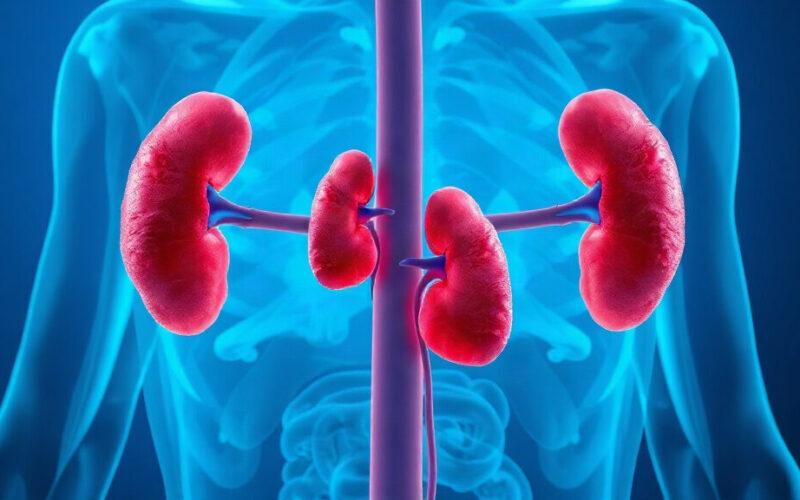
Dehydroepiandrosterone is a steroid hormone, with about 90% of it produced by the adrenal cortex and the rest coming from the ovaries or testes. It circulates mainly in its sulfated form, DHEA-S, and blood levels of this form serve as the clinical reference. DHEA does not act directly as a sex hormone: it works as a precursor, converted by peripheral tissues into testosterone and estrogen according to local needs.
Production follows a distinctive curve: nearly absent in childhood, it rises at adrenarche around age 6 to 8, peaks between 20 and 25, then declines steadily. By age 70, circulating levels are only about 10% to 20% of the youthful peak, a phenomenon sometimes called “adrenopause.” This universal, progressive decline fueled the hypothesis that DHEA drives aging itself, a hypothesis clinical trials have confirmed only partially.
Mechanism: how does DHEA work in the body?
Once secreted, DHEA circulates bound to plasma proteins, then enters target cells, where local enzymes (17β-HSD, aromatase) convert it into androgens or estrogens depending on the tissue. This “intracrine” mechanism explains why its effects vary so much from one organ, and one person, to another.
- Skin and mucous membranes: local conversion into estrogen, involved in vaginal mucosal hydration.
- Bone: combined androgenic and estrogenic effect on bone remodeling, with a measurable but modest impact on mineral density.
- Adrenal axis: in patients whose adrenal glands no longer produce enough hormones, oral DHEA restores normal serum levels of the hormone and its derivatives (sulfate, androstenedione, testosterone).
- Brain: DHEA also acts as a neurosteroid, synthesized locally in the central nervous system, with a role in mood that remains poorly characterized.
What the science says about DHEA
In healthy older adults, the randomized, double-blind trial by Nair and colleagues remains the reference (2006, New England Journal of Medicine, n=87 women and men followed for 2 years): neither DHEA nor low-dose testosterone produced a clinically meaningful effect on body composition, physical performance, insulin sensitivity or quality of life (Nair et al., 2006). A meta-analysis of 23 controlled trials in 1188 postmenopausal women confirms this finding on the female side: taken systemically, the hormone improved neither sexual desire nor metabolic markers (lipids, fasting glucose, weight, bone density) in women with normal adrenal function (Elraiyah et al., 2014).
The picture reverses in two populations with a proven deficiency. In women with adrenal insufficiency, a placebo-controlled crossover trial (n=24) found that a 50 mg daily DHEA dose improved overall well-being and sexuality, while lowering HDL cholesterol, an effect worth monitoring (Arlt et al., 1999). In postmenopausal women with vaginal dryness and pain during intercourse, intravaginal DHEA (prasterone, a 6.5 mg vaginal insert) showed significant efficacy against these specific symptoms in a phase III trial (Labrie et al., 2016). The National Center for Complementary and Integrative Health notes that the long-term safety of DHEA supplements is not established, that some evidence points to possible harms such as liver damage even with short-term use, and that professional guidelines recommend against its routine use outside a proven deficiency.
In practice: who really benefits from a DHEA dose?
Its real benefit depends almost entirely on medical context, not age alone. The table below summarizes where the evidence is solid and where it remains negative or insufficient.
| Profile | Indication | Level of evidence |
|---|---|---|
| Adrenal insufficiency (Addison’s disease, post-adrenalectomy) | Well-being, libido, mood | Favorable, under medical supervision |
| Postmenopausal women, vaginal dryness and pain | Intravaginal DHEA (prasterone) | Favorable, targeted indication |
| Healthy older adults, no proven deficiency | General “anti-aging” use, muscle strength | Negative (randomized trials) |
| Healthy postmenopausal women | Libido, metabolic markers | Negative (meta-analysis of 23 trials) |
| History of hormone-dependent cancer | Any indication | Contraindicated |
In other words, DHEA has a documented, real benefit in patients whose hormonal deficiency is confirmed by a blood test, under the supervision of an endocrinologist or gynecologist, not as a self-prescribed supplement to slow aging. For other hormonal levers of longevity, our features on andropause and declining testosterone and menopause and longevity cover complementary approaches, as does our feature on chronically high cortisol, the other major adrenal hormone. The altered intercellular communication pillar brings together our coverage of age-related hormonal regulation.
Protocol: the right DHEA dose and what to know before starting
In France, DHEA has no marketing authorization: it is available exclusively by prescription, compounded by a pharmacist, which rules out any purchase from a drugstore or a foreign website. Availability differs elsewhere: in the United States, for example, DHEA is sold over the counter as a dietary supplement, without the FDA vetting it for anti-aging claims, which makes independent verification of quality and dose even more important.
- Required baseline testing: a blood DHEA-S level to confirm a real deficiency before any prescription.
- Usual DHEA dose: 25 to 50 mg per day by mouth for validated indications, taken in the morning, with follow-up bloodwork after a few weeks.
- Contraindications: a personal history of breast, endometrial, prostate or ovarian cancer; active liver disease; pregnancy and breastfeeding.
- Monitored side effects: acne, oily skin, excess hair growth, lower HDL cholesterol, which is why lipid levels should be checked during treatment.
- Interactions: hormonal treatments (contraception, menopause therapy) and blood thinners; always tell your doctor about DHEA use.
Frequently asked questions about DHEA
Is DHEA available over the counter?
Not in France. DHEA has no marketing authorization there and is not an approved dietary supplement. It is available only by medical prescription, compounded in a pharmacy. Buying it online outside this framework risks uncontrolled products of uncertain quality. In other countries, including the US, DHEA is sold over the counter as a supplement, but medical supervision remains advisable.
Does DHEA actually reverse aging?
No, no rigorous study shows that it reverses aging. In healthy older adults, the 2006 NEJM trial found no effect on muscle strength, body composition or quality of life. Its real benefit is limited to proven hormonal deficiencies, not general anti-aging use.
What is the difference between oral and vaginal DHEA?
The oral form acts throughout the body and targets an overall adrenal deficiency, under biological monitoring. Vaginal DHEA (prasterone) acts locally on the vaginal lining to treat menopausal dryness and pain, with much lower systemic absorption and stronger efficacy data for this specific use.
What are the risks of taking DHEA without medical advice?
The main risks involve hormone-dependent cancers (breast, prostate, endometrial), lower HDL cholesterol, androgenic effects such as acne or excess hair growth, and interactions with hormonal treatments or blood thinners. Baseline blood testing and medical follow-up reduce these risks.
Medical disclaimer. The information provided here is for informational purposes only and does not constitute medical advice. It does not replace a consultation. Ask a healthcare professional before changing your diet, taking dietary supplements or starting a new practice, especially if you have a medical condition, are pregnant or are under treatment. Dietary supplements do not replace a balanced diet or medical follow-up.