Maca is one of the best-selling Andean plants in dietary supplements, marketed with promises of renewed energy and libido. Grown for centuries on the high plateaus of Peru, this tuberous root has been the subject of a handful of randomized clinical trials since the early 2000s. What do they actually show, beyond the marketing claims?
In brief – Maca is a tuberous plant from the Peruvian Andes (Lepidium meyenii), traditionally eaten as a food and used as a supplement to support energy and libido. Two randomized, placebo-controlled trials, one in healthy men and one in menopausal women, report an improvement in sexual desire after 6 to 8 weeks of use, with no measurable rise in testosterone or estrogen. The evidence on physical energy is weaker: a trial in cyclists found no significant difference from placebo on performance. A systematic review published in 2010 judged the overall evidence encouraging but limited, due to a lack of large trials. Maca is generally well tolerated at food-level doses, but because it belongs to the cruciferous vegetable family, people with thyroid conditions should use particular caution.
Definition: what is maca?
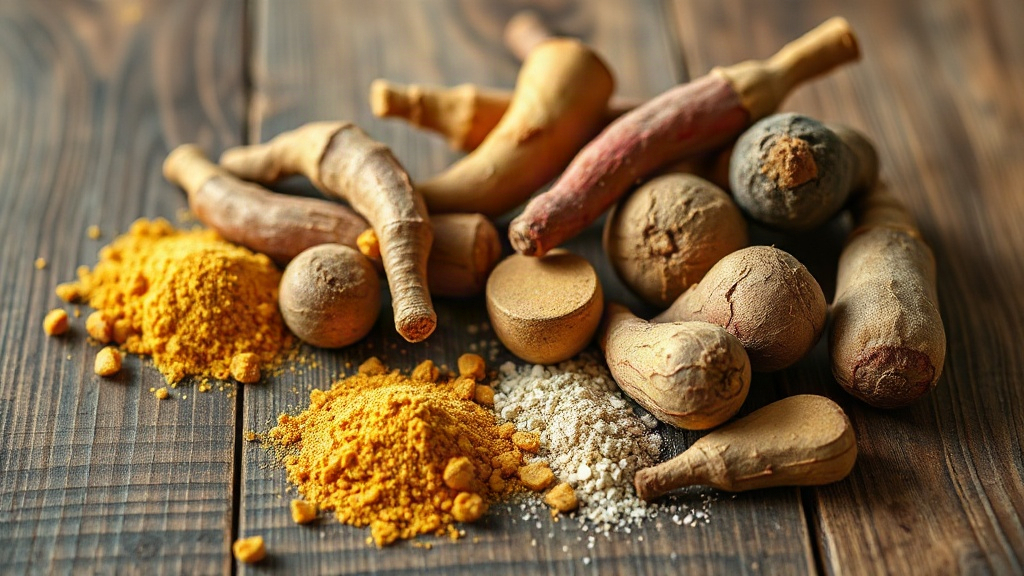
Maca (Lepidium meyenii, sometimes called Lepidium peruvianum) is an herbaceous plant in the Brassicaceae family, the same family as cabbage and radish. It grows between 3,500 and 4,500 meters (about 11,500 to 14,800 feet) above sea level in the Peruvian Andes, where extreme cold and altitude limit what crops can survive. Only the tuberous root, resembling a radish or turnip, is eaten.
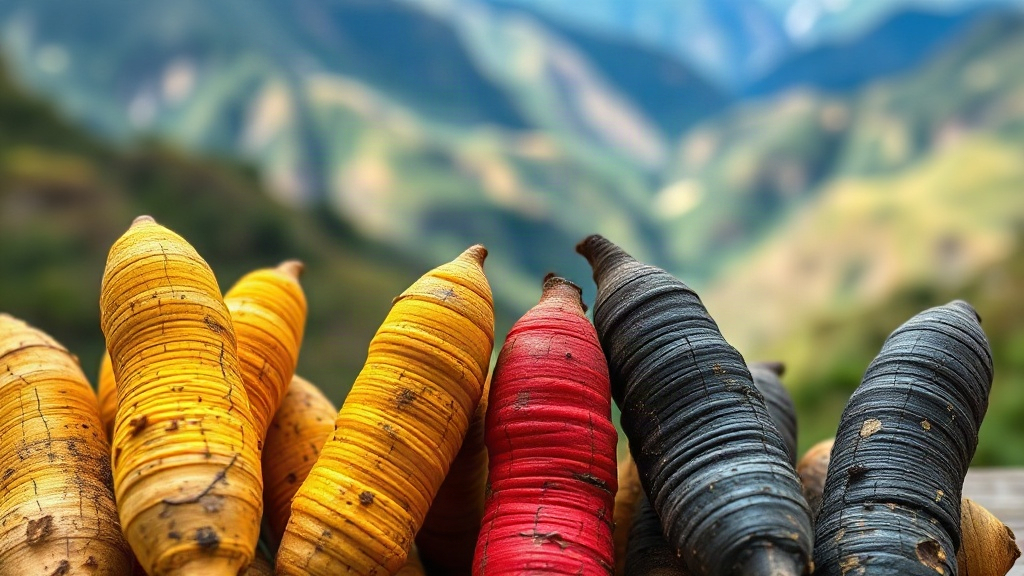
Andean populations have grown and eaten maca as a staple food for more than 2,000 years, dried and then boiled or turned into a sweet porridge. Western supplements use the dried root, ground into raw powder, gelatinized (precooked to improve digestibility) or concentrated into an extract. There are three main ecotypes, classified by root color: yellow (the most common), red and black, to which Peruvian scientific literature attributes slightly different properties.
Mechanism and composition
Maca contains no identified plant hormone that would explain its effects on libido. Researchers instead point to compounds specific to the plant that are still incompletely characterized on a pharmacological level.
- Macaenes and macamides: unsaturated fatty acids and amides specific to maca, used as markers to standardize extracts.
- Glucosinolates: sulfur compounds typical of cruciferous vegetables, precursors of goitrogenic compounds when consumed in large amounts.
- Amino acids and minerals: the dried root is rich in iron, calcium and potassium, with a complete protein profile.
- Plant sterols: present in small amounts, with no estrogenic or androgenic activity demonstrated in vivo in humans.
An in vitro study published by Gonzales and colleagues specifically tested the plant’s direct androgenic activity on cells and found none, pointing to a central rather than a peripheral hormonal mechanism.
What the science says
Four randomized controlled trials form the bulk of the current evidence on maca and sexual health, a still modest but consistent body of evidence on one point: desire, not physical performance.
In 57 healthy men aged 21 to 56, a 12 week double blind, placebo controlled trial measured an increase in sexual desire starting at week 8 with 1.5 g or 3 g of gelatinized maca per day, with no change in serum testosterone or estradiol (Gonzales et al. 2002, PMID 12472620).
In 14 menopausal women, a 12 week crossover trial (6 weeks of maca at 3.5 g per day followed by 6 weeks of placebo, or the reverse order) reported reduced anxiety and depressive symptoms along with improved sexual dysfunction scores, also independent of estrogen and androgen levels (Brooks et al. 2008, PMID 18784609).
On the energy front, the data are weaker. Eight trained cyclists took an extract of this root or a placebo for 14 days before a 40 km time trial. Race time improved compared with the baseline test, but showed no significant difference from placebo (Stone et al. 2009, PMID 19781622), a result that illustrates a retest effect rather than a true pharmacological one.
A systematic review published in BMC Complementary and Alternative Medicine analyzed the four available randomized trials on maca and sexual function. It concluded there is a plausible positive effect on sexual desire in men and in menopausal women, but judged the number of trials, sample sizes and overall methodological quality insufficient to draw a firm conclusion (Shin et al. 2010, PMID 20691074).
In the United States, herbal supplements such as maca are not reviewed by the FDA the way medications are before they reach the market. The National Center for Complementary and Integrative Health notes that products sold in stores or online can differ in important ways from those tested in research studies, and that manufacturing and quality control rules for supplements are less strict than for prescription or over the counter drugs (NCCIH).
In practice: for whom and in what context?
Maca is aimed first at healthy adults looking for support with sexual desire, based on the populations actually studied: healthy men and menopausal women. Nothing allows these results to be extrapolated to other sexual disorders or to use in people with a hormonal condition, and medical guidance remains preferable for a persistent loss of desire. The mitochondrial dysfunction and fatigue pillar page details other well documented levers for cellular energy.
For age related decline in libido in men, maca does not replace a testosterone evaluation: our article on andropause and declining testosterone explains when this possibility should be explored with a doctor. To place maca among the other adaptogenic plants proposed for fatigue, see also our articles on ginseng and rhodiola, whose mechanisms and level of evidence differ markedly.
| Study | Population | Duration | Main result |
|---|---|---|---|
| Gonzales et al. 2002 | 57 healthy men | 12 weeks | Increased sexual desire from week 8, testosterone unchanged |
| Brooks et al. 2008 | 14 menopausal women | 12 weeks (crossover) | Less anxiety and fewer reported sexual complaints |
| Stone et al. 2009 | 8 trained cyclists | 14 days | No significant difference vs placebo on performance |
| Shin et al. 2010 (review) | 4 randomized trials | – | Plausible effect on desire, evidence judged limited |
Protocol and usage tips
The available clinical trials use doses of 1.5 g to 3.5 g of gelatinized maca powder per day, over periods of 6 to 12 weeks before assessing an effect. No solid data justifies exceeding these amounts.
- Favor a gelatinized powder, which is better tolerated digestively than raw powder.
- Allow at least 6 to 8 weeks before judging any effect on sexual desire, in line with the duration of the published trials.
- Avoid prolonged use without medical advice if you have a thyroid condition: maca belongs to the cruciferous vegetable family, which is rich in goitrogenic compounds at high doses.
- Do not combine with hormone therapy without discussing it with your doctor or pharmacist first, as a precaution, even though no direct hormonal interaction has been demonstrated.
Pregnancy and breastfeeding have not been the subject of any controlled trial: in the absence of data, it is best to avoid maca during these periods.
Frequently asked questions
How long does it take to feel the effects of maca?
The available clinical trials measure an effect on sexual desire starting at 6 to 8 weeks of daily use, never before. An effect felt within the first few days does not match any published data and is likely a placebo effect. In the studied protocols, consistency of use matters more than the exact dose.
What is the difference between yellow, red and black maca?
The three ecotypes differ in root color and, according to some Peruvian studies, in slightly different effect profiles on fertility or mood. Yellow maca remains the most widely grown and the most studied in the West. No randomized clinical trial has directly compared the three colors on libido in humans.
Does maca increase testosterone?
No, the two main trials on sexual desire measured no significant change in testosterone, estrogen or other sex hormones in participants taking maca. The improvement in desire observed therefore appears to occur through a mechanism distinct from the classic hormonal pathway, one that is still poorly identified today.
Is maca well tolerated by everyone?
At food level doses, maca is generally well tolerated by healthy adults. However, it belongs to the cruciferous vegetable family and contains glucosinolates, compounds that can interfere with thyroid function when consumed in large amounts or over a long period. People being monitored for a thyroid condition should seek medical advice before regular use.
Can maca replace treatment for erectile dysfunction?
No. The published trials address sexual desire, not erectile function assessed by standardized medical criteria on a large scale. Established erectile dysfunction calls for a medical consultation, which can identify the cause (vascular, hormonal, psychological) before considering a supplement as an adjunct.
Medical disclaimer. The information provided here is for informational purposes only and does not constitute medical advice. It does not replace a consultation. Ask a healthcare professional before changing your diet, taking dietary supplements or starting a new practice, especially if you have a medical condition, are pregnant or are under treatment. Dietary supplements do not replace a balanced diet or medical follow-up.