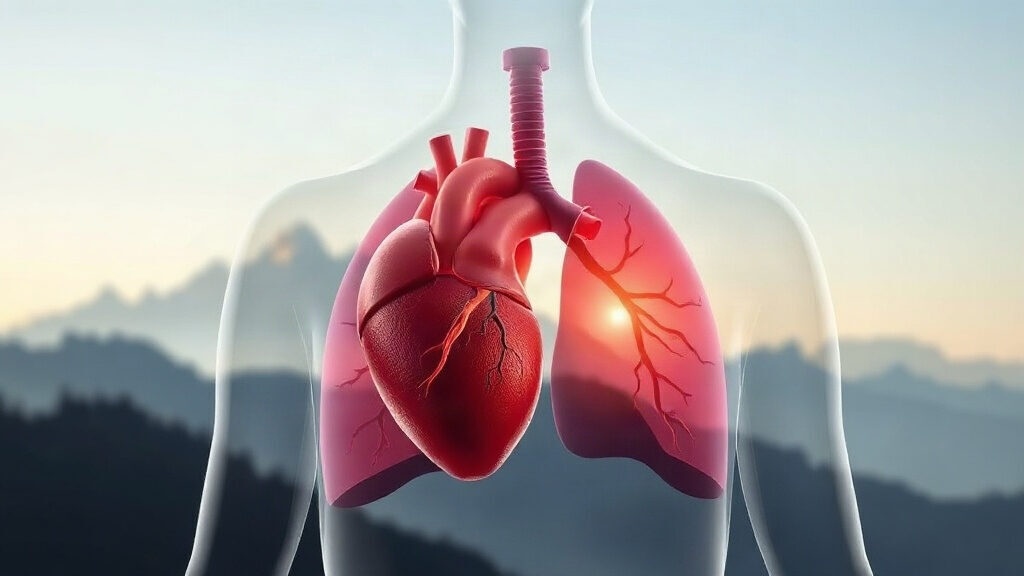
High altitude forces the heart and lungs to adapt to thinner, oxygen-poor air, starting at roughly 2,500 meters (8,200 feet). Hikers, athletes in training and travelers heading to La Paz, Cusco or the Alpine peaks feel this strain within hours: a faster heartbeat, breathlessness, sometimes headaches. Cardiology and exercise physiology studies now describe what this adaptation actually changes, and where the risk begins.
In brief – High altitude means a drop in the partial pressure of oxygen in the air, which forces the heart to beat faster and the lungs to ventilate more to keep the blood oxygenated. From about 2,500 to 3,000 meters (8,200 to 9,800 feet), resting heart rate and breathing rate rise, pressure in the pulmonary arteries climbs, and acute mountain sickness can appear in people who are not acclimatized. After several weeks, the body adapts: red blood cell production increases, oxygen extraction improves, and exercise tolerance returns. For a healthy adult with no heart or lung condition, a moderate mountain stay is generally well tolerated with a gradual ascent. For patients with heart or lung disease, hypoxia increases the workload on the right side of the heart and calls for medical advice before departure.
Definition: what actually happens to the body at high altitude?
Mountain air always contains 21% oxygen, but the atmospheric pressure that falls with elevation reduces the number of oxygen molecules delivered with each breath. At 3,000 meters (9,800 feet), the partial pressure of oxygen drops by about 30% compared with sea level. The blood then carries less oxygen to the tissues, a state known as hypobaric hypoxia.
Faced with this shortfall, the body reacts within minutes: breathing speeds up, and the heart beats faster to offset the drop in oxygen carried per liter of blood. This acute response precedes a slower acclimatization, which unfolds over several days to several weeks depending on the altitude reached and the length of the stay.
Mechanism: how the heart and lungs respond to low oxygen
Several mechanisms kick in at once within the first hours at high altitude, before a more lasting adaptation sets in:
- Reflex hyperventilation: carotid chemoreceptors detect the drop in oxygen and increase breathing rate and volume to compensate.
- Resting tachycardia: heart rate rises to maintain the amount of oxygen delivered to organs despite blood carrying less of it.
- Hypoxic pulmonary vasoconstriction: pulmonary arteries narrow locally in poorly ventilated areas, which redistributes blood flow but also raises pulmonary artery pressure.
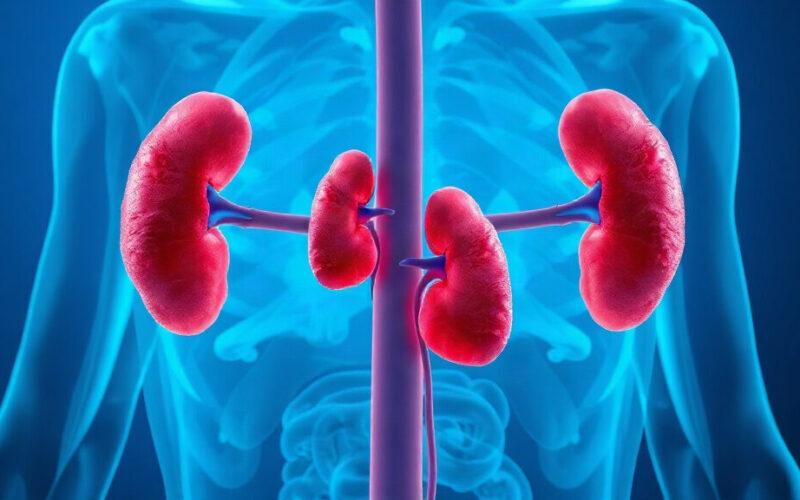
- Increased erythropoiesis: the kidneys release more erythropoietin, stimulating red blood cell production over several weeks to increase the blood’s oxygen-carrying capacity.
This last mechanism explains why altitude appeals to some endurance athletes, a point covered further down.
What the science says about the heart, lungs and altitude
A brief, moderate mountain stay does not damage a healthy heart or lungs: most of the responses described above reverse once back at lower elevation. Recent data, however, complicate the idea of a simple, passing discomfort.
Among Swiss residents followed between 1990 and 2000, mortality from coronary heart disease fell by 22% and mortality from stroke by 12% for every 1,000-meter (3,300-foot) increase in the altitude of a person’s home, an effect attributed partly to climate and lifestyle rather than altitude alone (Faeh et al., 2009). This result, observed at moderate altitudes (259 to 1,960 meters, or 850 to 6,430 feet), does not apply to high mountains, where the risk trend reverses.
Above 2,500 to 3,000 meters (8,200 to 9,800 feet), acute mountain sickness affects a notable share of unacclimatized travelers depending on how fast they ascend, with headaches, nausea and fatigue appearing within six to twelve hours (Bartsch & Swenson, 2013). In rare cases, hypoxic pulmonary vasoconstriction becomes uneven and excessive, triggering high-altitude pulmonary edema: its incidence rises with ascent speed and elevation reached, a mechanism documented since the reference work on the subject (Swenson & Bartsch, 2012). The MedlinePlus medical encyclopedia notes that acute mountain sickness typically starts above about 8,000 feet (2,400 meters) and that gradual ascent remains the best prevention.
Permanent residents of very high altitude offer an instructive extreme case. A research team studied the inhabitants of La Rinconada, Peru, a city of more than 50,000 people living between 5,100 and 5,300 meters (16,700 and 17,400 feet): among the 94 volunteers followed, severe chronic hypoxia was associated with reduced vascular reactivity and more pronounced inflammation, two factors that can lead to high blood pressure or heart failure over the long term.
In practice: when does altitude become an issue for the heart and lungs?
The real risk mainly depends on three factors: the maximum altitude reached, the speed of ascent, and a person’s starting cardiorespiratory health. The table below summarizes the thresholds generally used in mountain medicine.
| Altitude | Dominant effect on heart and lungs | Main risk | Recommendation |
|---|---|---|---|
| Below 1,500 m (4,900 ft) | No measurable effect in a healthy adult | Negligible | No particular precaution |
| 1,500 to 2,500 m (4,900 to 8,200 ft) | Slight rise in resting heart and breathing rate | Low, except with a pre-existing condition | Stay hydrated, build up effort gradually in the first hours |
| 2,500 to 3,500 m (8,200 to 11,500 ft) | Hyperventilation, tachycardia, higher pulmonary artery pressure | Acute mountain sickness | Ascend gradually, no more than 300-500 m (1,000-1,600 ft) of sleeping elevation gain per night above 3,000 m |
| 3,500 to 5,500 m (11,500 to 18,000 ft) | Marked hypoxic pulmonary vasoconstriction, thicker blood | High-altitude pulmonary or cerebral edema | Medical advice before departure, descend immediately if symptoms are severe |
| Above 5,500 m (18,000 ft), permanent residence | Chronic polycythemia, remodeling of pulmonary arteries | Pulmonary hypertension, heart failure over the long term | Regular medical follow-up for resident populations |
For people in good cardiovascular health, these thresholds leave a wide margin: most hiking destinations in Europe stay below the 3,000-meter (9,800-foot) mark. The topic does deserve real caution, though, for people already being treated for a heart or lung condition, in line with what our article on the effects of air pollution on the heart and lungs shows, where hypoxia and vascular inflammation also play a central role. To go deeper into the underlying scientific pillar, the altered intercellular communication page details how chronic inflammation and vascular signaling change with age.
Protocol: how to limit cardiorespiratory risk in the mountains
Preventing acute mountain sickness and its severe forms rests on simple rules, validated by field clinical practice:
- Gradual ascent: limit sleeping elevation gain to 300-500 meters (1,000-1,600 feet) per night above 3,000 meters (9,800 feet), with a rest day every 1,000 meters (3,300 feet).
- Regular hydration and enough carbohydrate intake, since the dry mountain air increases respiratory fluid loss.
- Avoid alcohol and sedatives in the first 48 hours, as these substances worsen the nighttime respiratory depression already caused by hypoxia.
- Descend without delay if severe headaches, breathlessness at rest or confusion appear: these are warning signs of developing edema.
- See a doctor before departure if you have a history of heart or lung disease, pregnancy or anemia, to assess whether preventive treatment is worthwhile.
Among endurance athletes, controlled exposure to moderate altitude (around 2,500 meters, or 8,200 feet) also serves a performance goal: living high while training low improved distance-running performance in elite runners, combining cardiorespiratory acclimatization with preserved training intensity (Stray-Gundersen, Chapman & Levine, 2001). Our guide on VO2 max details the other levers that improve this cardiorespiratory capacity, as does our article on HIIT and cardiovascular health.
Frequently asked questions
From what altitude are the heart and lungs put under strain?
From about 1,500 to 2,000 meters (4,900 to 6,600 feet), resting heart rate and breathing rate rise slightly in most adults. Effects become clear-cut from 2,500 meters (8,200 feet), the threshold above which acute mountain sickness can appear in unacclimatized people, within six to twelve hours depending on ascent speed.
Is high altitude dangerous for people with heart conditions?
Hypoxia increases the workload on the right side of the heart by narrowing the pulmonary arteries, which can worsen pre-existing pulmonary hypertension or heart failure. Cardiology advice before departure is recommended above 2,000 meters (6,600 feet) for anyone with a known heart condition, especially if breathlessness occurs with minimal effort.
Why do some athletes train at altitude?
Living for several weeks at around 2,500 meters (8,200 feet) stimulates red blood cell production and improves oxygen delivery to the muscles. In elite distance runners, this acclimatization combined with training carried out at lower altitude measurably improved competition performance.
How long does it take to acclimatize to altitude?
Initial acclimatization of basic cardiorespiratory functions generally takes three to five days. The fuller adaptation, driven by the rise in red blood cell count, then continues over several weeks and does not reach its full effect until after a month of continuous exposure.
Who should avoid a stay in high mountains?
People with severe pulmonary hypertension, advanced heart failure or unstabilized chronic lung disease should seek medical advice before any ascent above 2,000 meters (6,600 feet). Pregnancy, severe anemia or a history of high-altitude edema call for the same caution.
Medical disclaimer. The information provided here is for informational purposes only and does not constitute medical advice. It does not replace a consultation. Ask a healthcare professional before changing your diet, taking dietary supplements or starting a new practice, especially if you have a medical condition, are pregnant or are under treatment. Dietary supplements do not replace a balanced diet or medical follow-up.