Glutathione levels depend on the body’s main antioxidant, a tripeptide made inside your cells that neutralizes free radicals and protects DNA, proteins and membranes from oxidative stress. Produced continuously in the liver from three amino acids, glutathione declines with age, smoking, alcohol and a diet low in sulfur. This article explains how it works, what clinical trials show about supplementation, and the precautions to know before taking it.
In brief – Glutathione levels reflect how much of this antioxidant tripeptide (glutamic acid, cysteine, glycine), made by liver cells, is on hand to neutralize free radicals and support liver detoxification through the enzyme glutathione S-transferase. Levels fall naturally with age: in adults over 60, two weeks of cysteine and glycine supplementation restored concentrations close to those of younger adults (Sekhar et al., 2011). A six-month controlled trial found that a daily oral dose of 250 to 1000 mg raised blood reserves by 30 to 35% (Richie et al., 2015). The injectable form sold for skin lightening has been banned in France since 2016: only the oral route, at studied doses, has safety data behind it.
What Is Glutathione?
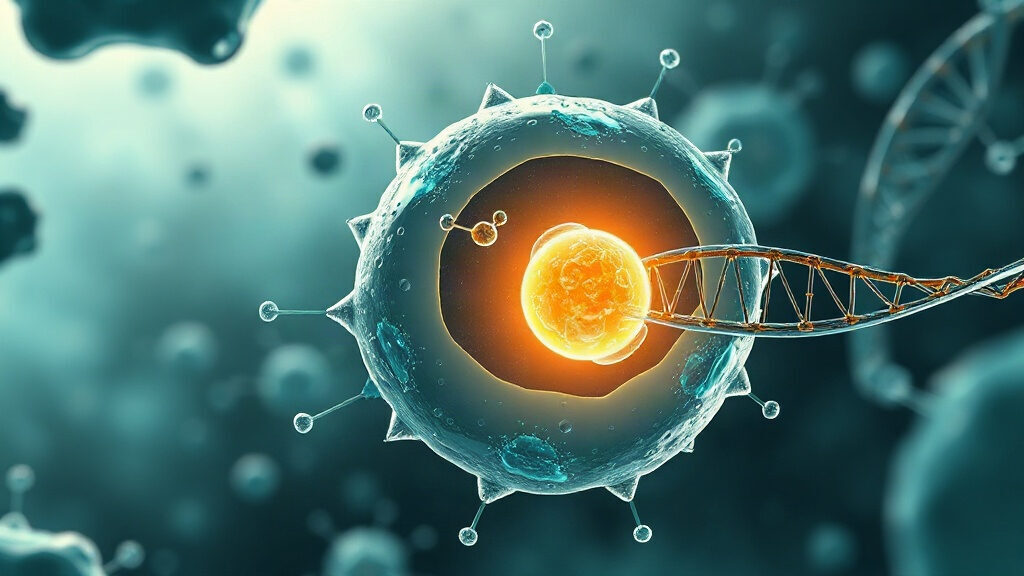
Glutathione is a small molecule made of three amino acids: glutamic acid, cysteine and glycine. This simple structure makes it the most abundant intracellular antioxidant, found in the liver, lungs, lens of the eye and nearly every tissue at millimolar concentrations. Unlike vitamin C or vitamin E, which come from food, it is synthesized internally: each cell builds its own supply from available amino acids, with the liver acting as the main production site.
Two forms coexist at all times. The reduced form, GSH, is active and donates an electron to neutralize a free radical. It then becomes the oxidized form, GSSG, which the enzyme glutathione reductase regenerates using NADPH. The ratio of GSH to GSSG serves as a biological marker of a cell’s redox balance: the higher it is, the less oxidative stress the cell is under.
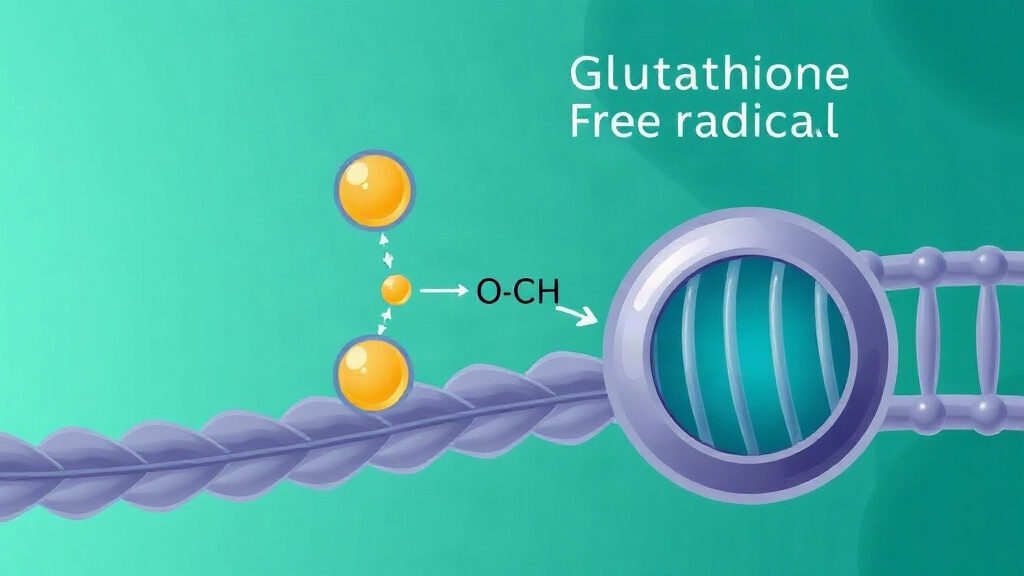
Mechanism and Role in the Cell
Glutathione works on three distinct fronts: it neutralizes reactive oxygen species produced by mitochondria, it serves as a cofactor for antioxidant enzymes, and it helps the liver clear toxins.
- Antioxidant neutralization: glutathione peroxidase (GPx) uses the reduced form to convert hydrogen peroxide and lipid peroxides into water, limiting damage to cell membranes and DNA.
- Liver detoxification: glutathione S-transferase conjugates glutathione to foreign compounds (drugs, pollutants, heavy metals) to make them soluble and easier to clear through bile or the kidneys.
- Cellular recycling: glutathione reductase rebuilds the active form from the oxidized form, a cycle that consumes NADPH and depends on adequate cysteine, the amino acid that limits its production.
- Regenerating other antioxidants: glutathione restores the active forms of vitamins C and E after they neutralize a free radical, extending their protective effect.
This balance shifts with age. Cysteine and glycine synthesis decreases, demand for antioxidants rises with chronic inflammation, and the cellular stock gradually declines starting around age fifty.
What the Science Shows About Glutathione Levels
A team at Baylor College of Medicine compared eight older adults with eight younger adults using isotopic infusion: the older group had markedly lower levels of glycine, cysteine and glutathione, along with more markers of oxidative stress such as F2-isoprostanes. After two weeks of cysteine and glycine supplementation, their glutathione levels rose by 94.6%, alongside a parallel drop in markers of oxidative damage (Sekhar et al., 2011, American Journal of Clinical Nutrition).
The same team then tested a combination of glycine and N-acetylcysteine, dubbed GlyNAC, in 24 adults aged 60 to 85 over 16 weeks, compared with a placebo group and with younger adults. The supplement corrected the deficit, reduced oxidative stress and improved several markers linked to aging, including mitochondrial function and physical strength, with no notable adverse effects (Kumar et al., 2023, Journals of Gerontology Series A).
One practical question remains: does oral glutathione itself work? A six-month controlled trial in 54 nonsmoking adults tested 250 or 1000 mg per day in reduced form. At both doses, blood reserves increased by 30 to 35% in red blood cells, plasma and lymphocytes, and by up to 260% in cells from the cheek lining at the higher dose (Richie et al., 2015, European Journal of Nutrition). This result challenges the assumption that digestion destroys it entirely, even though the effect remains modest next to that of precursors.
A reference review of its biochemistry notes that its depletion is associated with many age-related conditions, though causality is not established in every case: an association is not proof of cause (Pizzorno, 2014, Integrative Medicine).
In Practice: Foods, Forms and Support for Glutathione Levels
Three levers can influence glutathione levels: diet, lifestyle and, in some cases, targeted supplementation. Sulfur-rich foods (garlic, onion, leek, cruciferous vegetables) and cysteine-rich foods (eggs, meat, legumes) supply the building blocks needed for its synthesis. Selenium, a cofactor for glutathione peroxidase, is found in Brazil nuts and fatty fish, as detailed in the NIH Office of Dietary Supplements fact sheet on selenium. By contrast, smoking, alcohol and chronic oxidative stress speed up glutathione depletion.
As for supplementation, several forms are on the market, with uneven levels of evidence:
| Form | Effect on glutathione levels | Points of caution |
|---|---|---|
| Reduced glutathione (GSH) capsules | +30 to 35% in blood after 6 months at 250-1000 mg per day (Richie 2015) | Limited digestive absorption, modest dose-dependent effect |
| Liposomal form | Designed to cross the intestinal barrier more effectively | Few direct comparative trials against the standard form |
| Glycine plus N-acetylcysteine (GlyNAC) | Restored levels and improved several aging markers over 16 weeks (Kumar 2023) | High daily dose, several grams, medical advice recommended |
| Infusions or injections marketed for “skin brightening” | No validated efficacy or safety data in France | Banned for skin lightening since 2016, adverse effects reported |
People being treated for a chronic condition, on medication, pregnant or breastfeeding should ask a doctor before any course of supplementation, including to help manage chronic inflammation linked to aging. The body’s natural detoxification already relies heavily on this enzyme system, which explains the caution recommended around treatments claimed to boost it without solid evidence. UltraSante’s mitochondrial dysfunction pillar page covers other levers acting on this same terrain.
Protocol and Practical Tips
No protocol replaces a diet that already supplies the necessary precursors. Here are the levers with documented effects:
- Eat sulfur-rich vegetables daily (garlic, onion, broccoli, cabbage) and a cysteine-rich protein source (eggs, fish, legumes).
- Get enough sleep: sleep deprivation raises oxidative stress and speeds up the depletion of antioxidant reserves.
- Limit alcohol and smoking, two of the biggest drains on the liver’s glutathione stock.
- Engage in regular, moderate physical activity, which stimulates the body’s own antioxidant defenses without depleting them; excessive endurance exercise has the opposite effect.
- Ask a healthcare professional before starting any course of glutathione, NAC or glycine supplements, especially while on other medication.
Caution should outweigh commercial promises. No trial shows that raising glutathione levels through oral supplementation “rejuvenates” cells: the available data cover biological markers (blood levels, oxidative stress, a few functional measures), not a reversal of aging.
Frequently Asked Questions
What exactly is glutathione?
Glutathione is a tripeptide made of glutamic acid, cysteine and glycine, produced by cells themselves, mainly in the liver. It is the most abundant intracellular antioxidant and exists in two forms, reduced (active) and oxidized, whose ratio reflects a cell’s redox balance.
Why do glutathione levels fall with age?
Synthesis of the precursor amino acids, cysteine and glycine, decreases with age, while demand for antioxidants rises with chronic inflammation. One study measured concentrations nearly twice as low in older adults as in younger adults, a gap corrected within two weeks by targeted supplementation.
Is oral supplementation effective?
A six-month controlled trial showed a 30 to 35% rise in blood reserves with 250 to 1000 mg per day, which contradicts the idea that digestion destroys it entirely. The effect remains modest, though, compared with precursors such as N-acetylcysteine combined with glycine.
Which foods contain its precursors?
Several common foods support its synthesis by supplying the necessary amino acids and cofactors:
- Garlic, onion and leek, rich in sulfur compounds used by detoxification enzymes.
- Eggs, meat, fish and legumes, sources of cysteine, the amino acid that limits its production.
- Brazil nuts and fatty fish, which supply the selenium needed for glutathione peroxidase.
Are skin-lightening injections safe?
No: the sale of injectable products that use this molecule to lighten skin has been banned in France since 2016, after reports of adverse effects to poison control centers (nausea, dizziness, palpitations). These products have no marketing authorization; only the oral route, at studied doses, has safety data behind it.
Medical disclaimer. The information provided here is for informational purposes only and does not constitute medical advice. It does not replace a consultation. Ask a healthcare professional before changing your diet, taking dietary supplements or starting a new practice, especially if you have a medical condition, are pregnant or are under treatment. Dietary supplements do not replace a balanced diet or medical follow-up.