The resveratrol longevity story traces back to the “French paradox”: the idea that a compound in red wine might protect the heart despite a diet rich in fat. Since then, hundreds of studies have tested this molecule in mice and then in humans, with results far more mixed than the dietary supplements that sell it would have you believe. Here is what the clinical trials actually show, PMID by PMID.
In brief – Resveratrol is a polyphenol found in grape skin, red wine and certain berries, studied for its action on sirtuins and the metabolic pathways linked to aging. In mice fed a high calorie diet, it improves survival and insulin sensitivity (Baur et al., 2006). In humans, the results are far more modest: a 30 day trial observed favorable metabolic effects at a low dose (Timmers et al., 2011), while a high dose trial found no measurable benefit for insulin sensitivity (Poulsen et al., 2013). A cohort of 783 people followed for 9 years found no link between resveratrol levels and all cause mortality (Semba et al., 2014). Its oral bioavailability remains the main obstacle: less than 1% of the absorbed dose reaches circulation in active form (Walle, 2011). Overall, resveratrol longevity claims are not yet backed by strong human evidence.
Definition: What Is Resveratrol?
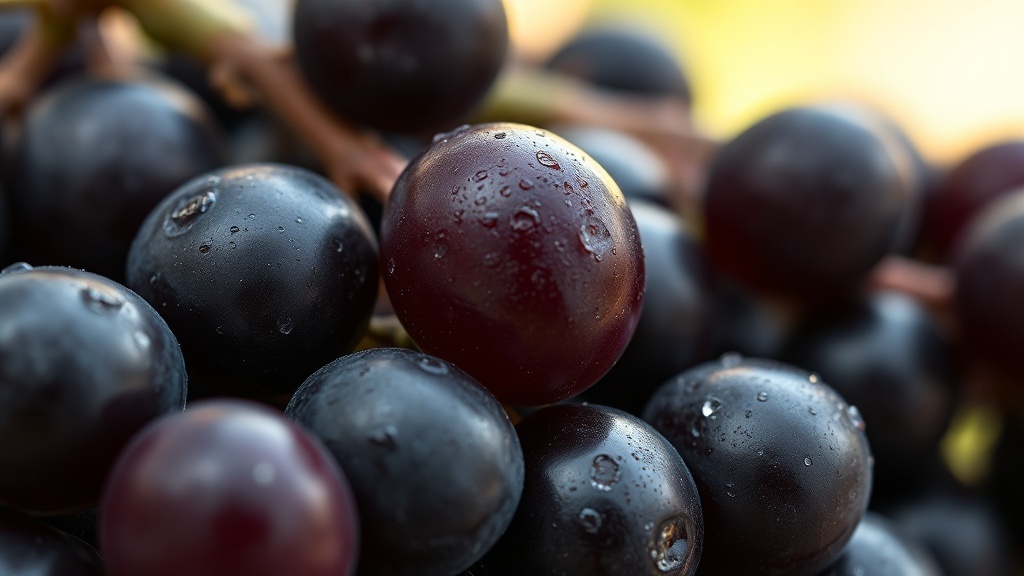
Resveratrol is a stilbene, a family of polyphenols that certain plants produce in response to stress, UV exposure or fungal attack. It is found in black grape skin, red wine, blackberries, peanuts and Japanese knotweed (Polygonum cuspidatum), the main source used in commercial supplements. The biologically active form studied in laboratories is trans resveratrol; the less stable cis form is far less documented.
Scientific interest in this molecule began in the 1990s with the “French paradox” hypothesis, then shifted toward the biology of aging after researchers discovered its action on sirtuins, a family of enzymes linked to caloric restriction.
Mechanism of Action: How Resveratrol Works
This molecule activates several cellular pathways involved in regulating energy metabolism, though their clinical translation in humans is not yet established.
- SIRT1: this sirtuin, activated in vitro by resveratrol, regulates mitochondrial biogenesis through the coactivator PGC-1 alpha.
- AMPK: the compound stimulates this energy sensing enzyme, a mechanism shared with exercise and fasting.
- NF-kB: the molecule modulates this pro-inflammatory pathway, which explains interest in its role against inflammaging, the chronic low grade inflammation linked to age described by Franceschi & Campisi (2014).
- Direct antioxidant capacity: the molecule neutralizes certain free radicals in vitro, an effect measured in the lab but difficult to extrapolate to the whole organism.
These mechanisms were identified in cell or animal models. Their real relevance in humans depends on a limiting factor: how much resveratrol actually reaches the tissues.
What the Science Shows: From Mice to Human Trials
The foundational study remains Baur et al. (2006), published in Nature: in mice fed a high calorie diet, the compound brought their physiology closer to that of normally fed animals, with significantly improved survival and restored insulin sensitivity. This study launched a decade of research, but it only concerns rodents subjected to major caloric excess.
In humans, results contradict each other depending on dose and duration. Timmers et al. (2011) gave 150 mg per day of resveratrol for 30 days to 11 obese men: resting energy expenditure decreased, muscle mitochondrial activity improved, and systolic blood pressure and blood glucose dropped, a profile that partly mimics caloric restriction. By contrast, Poulsen et al. (2013) tested a high dose for 4 weeks in 24 obese men and found no improvement in insulin sensitivity, lipid profile or body composition compared with placebo.
On mortality, Semba et al. (2014) followed 783 Italian adults from the InCHIANTI cohort for 9 years, measuring urinary resveratrol metabolites from their regular diet: no association was found with inflammatory markers, cardiovascular disease, cancer or all cause mortality. Association is not causation, and here even the expected association fails to appear.
The limiting factor common to these trials is pharmacokinetic: according to the review by Walle (2011), intestinal absorption of resveratrol reaches about 75%, but intense liver and gut metabolism (glucuronidation, sulfation) reduces its active oral bioavailability to under 1%. The doses tested in lab cell studies are, in many cases, never reached in human blood after a standard oral dose.
In Practice: Food Sources, Supplements and Benchmarks
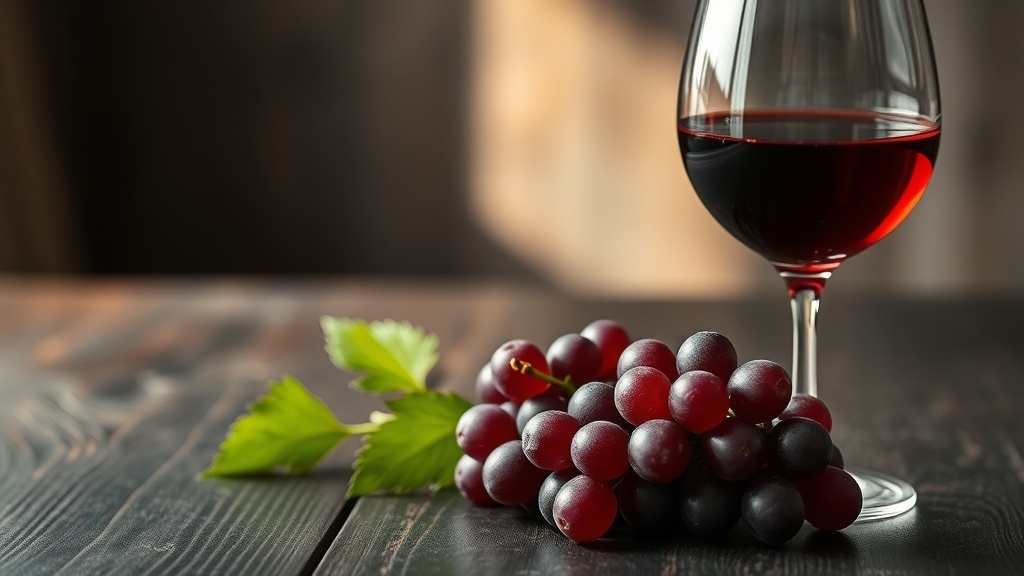
Red wine remains the most cited source, with concentrations that vary widely by grape variety and region, roughly 0.5 to 10 mg per liter. Aiming for active doses of resveratrol this way would require an alcohol intake incompatible with public health guidelines; wine is therefore not a realistic way to get this polyphenol for health purposes. Berries, black grapes with their skin, and some peanuts provide much smaller amounts but without the downsides of alcohol.
The table below summarizes the figures from the main human and animal studies cited above, to put the doses and outcomes in context.
| Study | Population | Dose / duration | Main result |
|---|---|---|---|
| Baur et al., 2006 | Mice, high calorie diet | High dose, long exposure | Improved survival and insulin sensitivity |
| Timmers et al., 2011 | 11 obese men | 150 mg/day, 30 days | Improved muscle metabolism and blood pressure |
| Poulsen et al., 2013 | 24 obese men | High dose, 4 weeks | No benefit detected for insulin sensitivity |
| Semba et al., 2014 | 783 adults, InCHIANTI cohort | Usual dietary intake, 9 year follow up | No link with all cause mortality |
To place this compound within a broader prevention strategy, two other approaches have stronger evidence in humans: intermittent fasting, which activates similar metabolic pathways (AMPK, autophagy), and support for mitochondrial metabolism covered in our guide on mitochondrial dysfunction. Other food derived molecules, such as curcumin or NAD+, are studied for related mechanisms, with equally mixed levels of evidence.
Protocol and Tips: Approaching Resveratrol the Right Way
No dose of resveratrol has shown a consistent, reproducible effect on human longevity to date. The points below reflect current resveratrol longevity research and prudent guidance, not a validated protocol.
- Favor food sources (berries, grapes with skin) over a high dose supplement whose long term safety remains poorly documented.
- Do not exceed the doses tested in clinical trials (150 mg per day in the Timmers et al. study) without medical advice, especially if taking anticoagulant or antiplatelet medication.
- Tell your doctor about this supplement before any surgery, because of its potential effect on platelet aggregation.
- Never substitute a supplement for medical care of diabetes, cardiovascular disease or cancer.
Extra caution is warranted during pregnancy and breastfeeding, given the lack of sufficient human safety data at these stages.
Frequently Asked Questions About Resveratrol
Does resveratrol really slow aging?
In mice subjected to caloric excess, resveratrol improves survival and several metabolic markers. In humans, no trial has demonstrated a direct effect on aging speed or life expectancy; current resveratrol longevity data cover intermediate markers (blood glucose, blood pressure, inflammation), not longevity itself.
What is the best food source of resveratrol?
Black grapes with their skin, blackberries and other berries provide it without the downsides of alcohol. Red wine also contains it, but active amounts would require alcohol consumption incompatible with public health guidelines.
Why do human trials on resveratrol give contradictory results?
Dose, duration and participant profile vary widely between studies. Timmers et al. (2011) observed metabolic benefits at a low dose over 30 days, while Poulsen et al. (2013) found none at a high dose over 4 weeks. Resveratrol’s very limited oral bioavailability, under 1% according to Walle (2011), also complicates comparisons between studies.
Is resveratrol well tolerated at all doses?
The doses tested in clinical trials (up to 150 mg per day) are generally well tolerated, sometimes with mild digestive issues. Resveratrol can, however, interact with anticoagulant or antiplatelet medication because of its effect on platelet aggregation, which is why medical advice is worthwhile before any high dose supplementation.
Should resveratrol be combined with other compounds to boost its effect?
Some manufacturers combine resveratrol with quercetin or piperine to improve absorption, but these combinations have not been validated by large scale human clinical trials. No combination has yet shown a superior benefit on hard health outcomes such as mortality.
Medical disclaimer. The information provided here is for informational purposes only and does not constitute medical advice. It does not replace a consultation. Ask a healthcare professional before changing your diet, taking dietary supplements or starting a new practice, especially if you have a medical condition, are pregnant or are under treatment. Dietary supplements do not replace a balanced diet or medical follow-up.