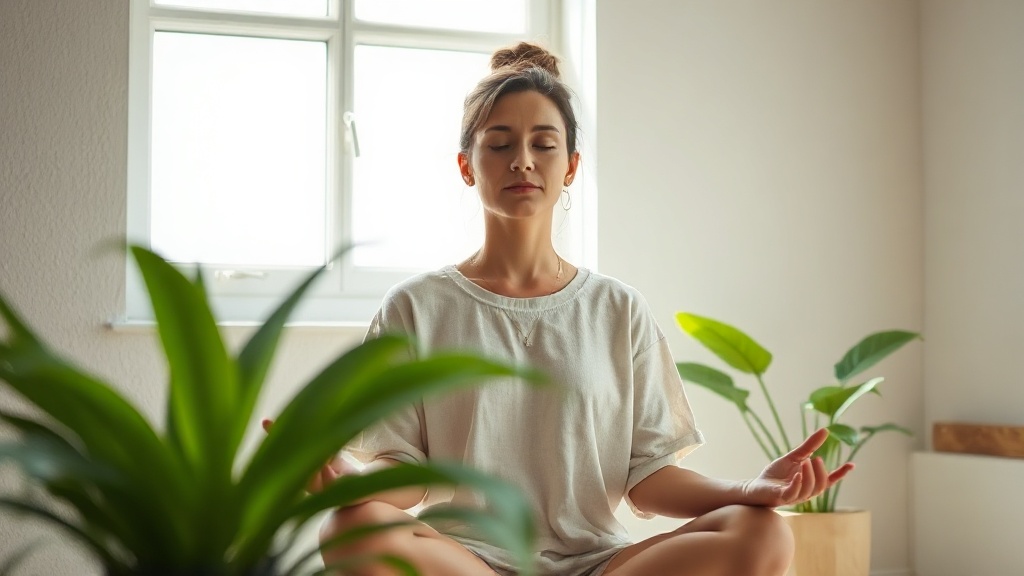
Mental well-being is just as essential as physical health, and the two are deeply connected. Cultivating it day to day is not only about avoiding psychological suffering: it means building resilience, emotional balance, and the capacity to enjoy life fully.
In brief – Mental well-being is the ability to cope with everyday stress, work productively, and feel connected to others, and it can be strengthened through small daily habits. Sleep quality, regular movement, social ties, stress management, and diet all shape emotional balance, according to research reviewed by the World Health Organization. Seven practical strategies, from moving your body and protecting sleep to limiting screen time and practicing brief breathing exercises, help build resilience over time. Consistency matters more than intensity: five minutes of daily breathing beats one long relaxation session a month. Persistent sadness, sleep trouble, or exhaustion that does not lift are signals to seek professional support, and early help tends to work best.
What is mental well-being?
It describes a state in which a person feels able to cope with the ordinary difficulties of life, work productively, and contribute to their community. It does not mean being happy all the time, but having the emotional resources to get through the ups and downs. It is a dynamic dimension of health that can be cultivated and strengthened.

The factors that influence mental health
Many factors, most of them modifiable, act on psychological balance:
- Sleep quality, closely linked to mood;
- Physical activity, whose antidepressant effect is well documented;
- Social relationships and a sense of belonging;
- Stress management and time set aside for rest;
- Diet, which influences the brain through the gut microbiome.
What the science really says
Health authorities stress the importance of acting early: according to the World Health Organization, it is a core component of health, and prevention plays a key role. Studies on physical activity, depression, and anxiety and on mindfulness and mental health show that simple, accessible approaches can be effective.
In practice: maintaining your balance
Mental health draws on the other pillars of daily life. Good sleep and regular movement are two major levers: see our tips on sleep and on physical activity. Find all of our content in the Mental Well-Being pillar.
Protocol: 7 strategies for mental well-being
- Move regularly: exercise is one of the most effective natural antidepressants.
- Protect your sleep, the foundation of emotional balance.
- Nurture your social ties and dare to ask for support.
- Practice breathing exercises or meditation for a few minutes a day.
- Spend time in nature and in the morning light of day.
- Limit information overload and screen time.
- Allow yourself moments of pleasure and rest without guilt.
| Strategy | Why it helps |
|---|---|
| Regular movement | Releases endorphins and lowers anxiety and depressive symptoms |
| Protected sleep | Stabilizes mood and supports emotional regulation |
| Social connection | Reduces isolation and builds a sense of belonging |
| Breathing or meditation | Lowers stress reactivity in just a few minutes a day |
| Daylight and nature | Supports the circadian rhythm and steadies energy levels |
| Limited screen time | Reduces information overload and mental fatigue |
| Guilt-free rest | Restores mental energy and prevents burnout |
When should you see a professional?
Taking care of your well-being day to day is usually enough to maintain balance. But certain signals call for attention: sadness or anxiety that lasts several weeks, persistent sleep trouble, a loss of interest in usual activities, or a sense of exhaustion that rest does not relieve. Asking for help is not a sign of weakness but of clarity. A doctor, a psychologist, or a helpline can offer appropriate support (988 in the US and Canada, 116 123 in the UK and Europe). The earlier the support, the more effective it tends to be, exactly as with physical health.
Small habits, big impact
It is often assumed that improving your well-being requires major upheavals. In reality, it is repeated micro habits that reshape emotional balance over time. A few minutes of walking outdoors, a message to a friend, three slow breaths before a stressful meeting, or simply noting one positive thing from the day each evening: these small actions, added up, have a real effect on mood and resilience.
Consistency matters more than intensity. Five minutes of breathing practice each day beats one hour of relaxation once a month. Likewise, consciously limiting time spent on social media, often a source of comparison and anxiety, frees up valuable mental energy. This balance is not decided overnight: it is built brick by brick, through consistent daily choices.
Finally, it is worth being kind to yourself. Difficult periods are part of life, and seeking support from loved ones or a professional is a strength, never a weakness.
Frequently asked questions
What is the difference between mental well-being and mental health?
The two ideas are close. Mental health is an overall state, while mental well-being emphasizes the positive dimension: feeling balanced, able to cope, and able to thrive. Cultivating one helps preserve the other.
Does exercise really improve mood?
Yes. Regular physical activity reduces symptoms of anxiety and depression, sometimes with an effectiveness comparable to certain approaches for mild to moderate forms, through the release of endorphins and better sleep.
Is meditation effective for mental well-being?
Mindfulness practices show benefits for stress, anxiety, and emotion regulation. A few minutes a day are enough to start; consistency matters more than session length.
When should you see a mental health professional?
When distress lasts, disrupts daily life (sleep, work, relationships), or comes with a persistent loss of interest. Seeking help early clearly improves outcomes. In case of distress, helplines exist and can offer guidance (988 in the US and Canada, 116 123 in the UK and Europe).
⚕️ Medical disclaimer: This article is provided for informational purposes and does not replace medical advice. Consult a healthcare professional before making any decision about your health.
Medical disclaimer. The information provided here is for informational purposes only and does not constitute medical advice. It does not replace a consultation. Ask a healthcare professional before changing your diet, taking dietary supplements or starting a new practice, especially if you have a medical condition, are pregnant or are under treatment. Dietary supplements do not replace a balanced diet or medical follow-up.