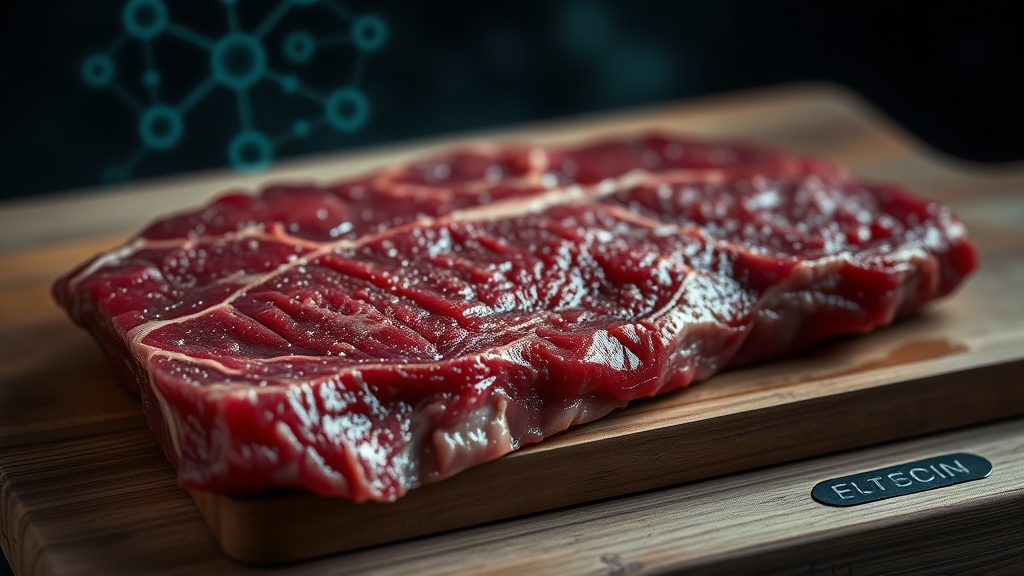
Neu5Gc is a sugar found in beef, pork and lamb that the human body cannot make on its own. Eating it may explain, in part, why red meat is linked to cardiovascular disease. Once absorbed, this molecule gets incorporated into our own tissues, where it may trigger chronic inflammation that harms the arteries. Popularized by surgeon and author Steven Gundry, the hypothesis actually rests on the research of glycobiologist Ajit Varki. Here is an honest look at what the evidence really shows.
In brief – Neu5Gc is a sugar molecule found in beef, pork and lamb that the human body cannot produce on its own, unlike almost every other mammal. When we eat red meat, this molecule is absorbed and incorporated into our own tissues, including the inner lining of blood vessels, where the immune system may treat it as foreign. In humanized mice engineered to lack Neu5Gc, exposure to the sugar increased atherosclerosis by roughly 2.4 times and multiplied spontaneous tumors fivefold, both linked to chronic low-grade inflammation. Direct proof in humans is still missing, so Neu5Gc remains one plausible piece of the puzzle behind red meat’s cardiovascular risks, alongside heme iron, TMAO and saturated fat. Poultry, fish and eggs naturally contain very little of it.
Neu5Gc: A Sugar the Human Body Cannot Make
Neu5Gc, or N-glycolylneuraminic acid, belongs to the family of sialic acids, sugars found on the surface of our cells. Nearly all mammals produce it. We do not: around two to three million years ago, the human species lost the CMAH gene needed to make it.
Instead, we make a very similar molecule called Neu5Ac. As a result, we are among the few mammals that lack it entirely. Our immune system treats it as a foreign intruder. That is the whole paradox of red meat, which supplies it in abundance.
How Neu5Gc May Damage the Arteries
The proposed mechanism is both elegant and concerning. When we eat red meat, this dietary sugar is absorbed and incorporated into our tissues, including the inner lining of our blood vessels. Yet we produce antibodies directed against it. Here is what happens next:
- Incorporation into the endothelium: it lodges in the artery wall, acting like a false self.
- An immune reaction: our anti-Neu5Gc antibodies recognize this intruder and attack it.
- Chronic inflammation: this ongoing conflict, called xenosialitis, keeps a low-grade inflammation going.
- A breeding ground for atherosclerosis: inflammation is a well-recognized driver of plaque formation in the arteries.
In short, it may turn every red meat meal into a small, repeated assault on the artery wall.
What the Science Actually Shows
The strongest evidence comes from “humanized” mice, genetically engineered to resemble humans by lacking this sugar and carrying the matching antibodies. When fed Neu5Gc, these mice develop about 2.4 times more atherosclerosis than mice fed without the sugar (PubMed data).
The same model showed a fivefold increase in spontaneous tumors, together with systemic inflammation (PubMed data). These findings, from Ajit Varki’s laboratory, are striking, but one point deserves honest mention: direct proof in humans has not yet been established. The hypothesis is serious and biologically coherent, but it still awaits confirmation through human trials, which are always harder to run over several decades. It remains one candidate explanation, among others, for the link between red meat and chronic disease (PubMed data). Guidance on red meat intake from the NHS takes several of these factors into account as well.
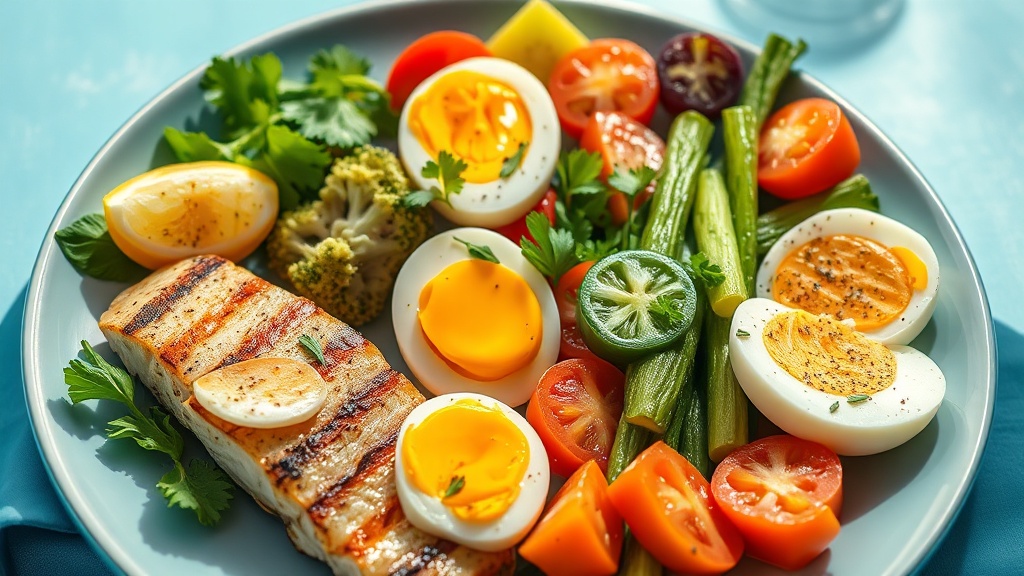
Which Foods Contain Neu5Gc?
Not all animal foods are equal in this respect. Its distribution is actually quite sharply divided:
- Rich in Neu5Gc: red meats from mammals, namely beef, pork, lamb and game.
- Moderate content: dairy products, to a much lesser degree.
- Low or none: poultry, fish and eggs, which contain very little.
This pattern is consistent with observational data: it is mainly red meat, and even more so processed meat, that is linked to cardiovascular risk and certain cancers. High-temperature cooking also appears to increase its bioavailability.
| Category | Foods | Level |
|---|---|---|
| High | Beef, pork, lamb, game | Rich |
| Moderate | Dairy products | Lower but present |
| Low or none | Poultry, fish, eggs | Very low |
Should You Stop Eating Red Meat?
The honest answer is no, not necessarily, but moderation is warranted. Neu5Gc likely does not act alone. Other mechanisms contribute to the effects of red meat: heme iron, TMAO produced by the gut microbiome, saturated fat, and the nitrosamines found in processed meat. Neu5Gc adds to this cluster of factors rather than replacing it.
The practical takeaway matches the nutritional consensus: limit red meat, and especially processed meat, without necessarily banning it. Poultry, fish and eggs offer excellent protein that is low in this sugar. In practice, keeping red meat to once or twice a week, choosing quality cuts and avoiding harsh cooking methods such as charred grilling are simple, sensible adjustments. This approach fits within a more plant-forward diet, in the spirit of the Blue Zones, rich in protective plants, and consistent with the broader pillars of longevity.
Frequently Asked Questions
What exactly is Neu5Gc?
It is a sugar from the sialic acid family, made by most mammals but not by humans, who lost the gene needed for it over the course of evolution. We absorb it by eating red meat, and our body incorporates it into its own tissues.
Is Neu5Gc really dangerous for the arteries?
In humanized mice, it clearly increases atherosclerosis through chronic inflammation. In humans, the link is plausible but not formally proven. Neu5Gc is one candidate explanation among several for the effects of red meat.
Which meats contain the least Neu5Gc?
Poultry, fish and eggs are naturally low in Neu5Gc, unlike beef, pork and lamb. Favoring these sources helps reduce exposure while keeping a good protein intake.
Do you need to become vegetarian because of Neu5Gc?
No, that is not necessary. Moderating red meat and processed meat is enough, while relying on other protein sources. It is a reasonable adjustment, not a ban, consistent with current nutritional guidelines.
Medical disclaimer. The information provided here is for informational purposes only and does not constitute medical advice. It does not replace a consultation. Ask a healthcare professional before changing your diet, taking dietary supplements or starting a new practice, especially if you have a medical condition, are pregnant or are under treatment. Dietary supplements do not replace a balanced diet or medical follow-up.