Pterostilbene is a polyphenol found naturally in blueberries and grapes, a methylated cousin of resveratrol. First identified in red sandalwood (Pterocarpus marsupium) and later in red fruits, it has drawn interest from aging biology research since a 2018 pharmacokinetic review confirmed its better metabolic stability compared with resveratrol. Below are its verified cellular mechanisms, what human trials show so far, and the precautions to know before taking it.
In brief – Pterostilbene is a stilbene polyphenol, a methylated analog of resveratrol, that activates the cellular pathways AMPK, SIRT1 and Nrf2 involved in managing oxidative stress and renewing mitochondrial energy production. Its structure, which carries two extra methoxy groups compared with resveratrol, gives it better membrane permeability: its oral bioavailability reaches 66.9% versus 29.8% for resveratrol in animal studies (Wang and Sang, 2018). In aged rodents, low doses of this compound improved cognitive markers linked to aging, an effect not seen with resveratrol at an equivalent dose (Chang et al., 2012). In humans, a controlled trial in 80 participants measured a drop in blood pressure at a high dose, along with a rise in LDL cholesterol that needs monitoring (Riche et al., 2013 and 2014). The data remain preliminary and do not support a therapeutic use of this polyphenol.
Definition: What Is Pterostilbene?
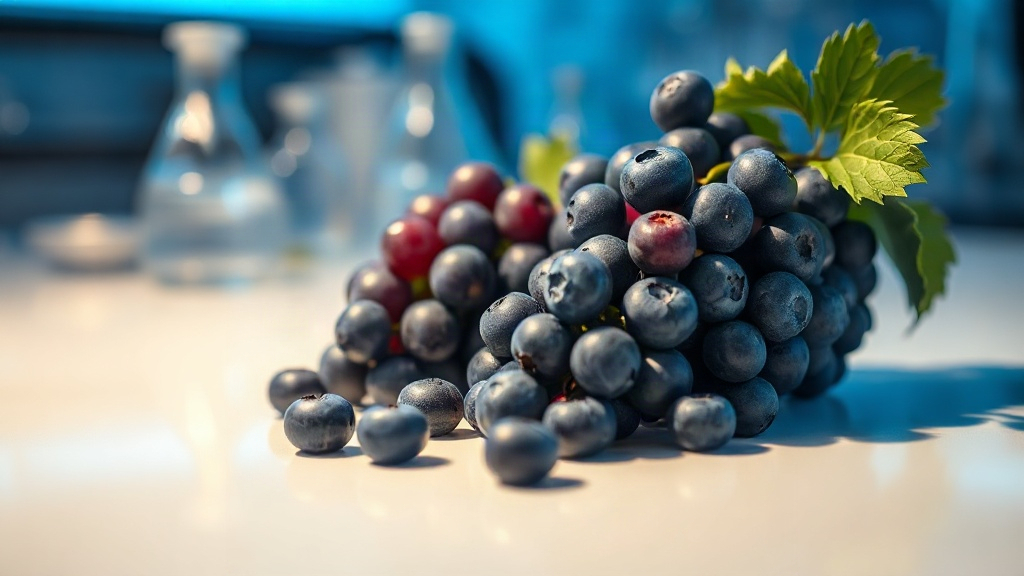
Pterostilbene belongs to the stilbene family, plant polyphenols produced in response to environmental stress such as UV exposure and fungal infection. Its structure differs from resveratrol by two methoxy groups that replace two hydroxyl groups, which increases its lipophilicity and its ability to cross cell membranes. It is found in blueberries, grapes, certain wild grapevine species, and the wood of Pterocarpus marsupium, used in traditional Ayurvedic medicine. Dietary concentrations remain low: most studies use standardized extracts rather than fresh fruit consumption.
Cellular Mechanism: How Pterostilbene Works
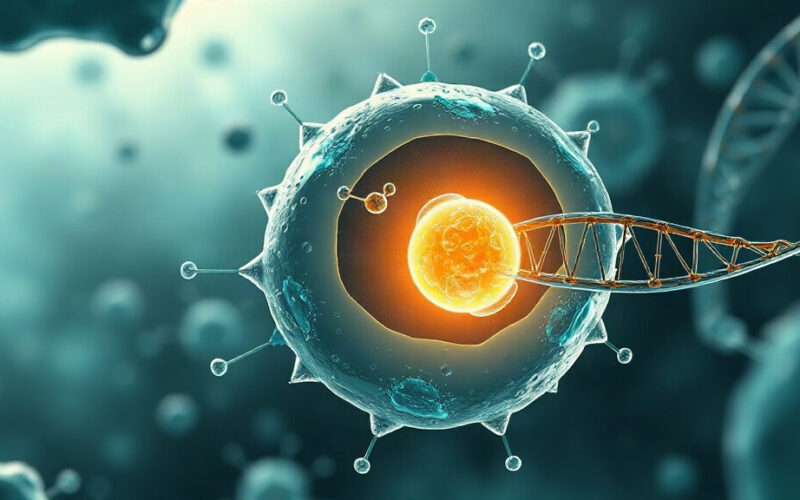
This polyphenol modulates several signaling pathways involved in the cellular stress response, without activating them in isolation: pharmacological studies describe a coordinated action on four main targets.
- AMPK (AMP-activated protein kinase): a cellular energy sensor whose phosphorylation favors mitochondrial energy production over storage.
- SIRT1 (sirtuin 1): a NAD+-dependent deacetylase, activated in cooperation with AMPK, that regulates PGC-1alpha, a key coactivator of mitochondrial biogenesis.
- Nrf2/HO-1: a transcription factor that, once translocated to the nucleus, triggers the production of endogenous antioxidant enzymes (glutathione, heme oxygenase-1).
- PGC-1alpha: its deacetylation by SIRT1 and phosphorylation via AMPK stimulate mitochondrial renewal in the heart and liver cells studied.
This AMPK/SIRT1/Nrf2/PGC-1alpha quartet explains why this compound is classified, in the literature on the hallmarks of aging, among substances of interest for mitochondrial function rather than for a single isolated mechanism.
What the Science Shows
Oral bioavailability of pterostilbene reaches 66.9% in animal studies, compared with 29.8% for resveratrol, and its half-life is notably longer: after two hours, resveratrol is almost entirely converted into glucuronides, while only 20% of pterostilbene has undergone the same process, according to the pharmacokinetic review by Wang and Sang published in BioFactors in 2018 (PMID 29315886).
In aged rodents, Chang and colleagues compared low doses of pterostilbene and resveratrol on cognitive and cellular stress markers: only pterostilbene produced a measurable improvement, a result attributed to its better tissue penetration (Neurobiology of Aging, 2012, PMID 21982274). These findings remain limited to animal models and do not allow any direct extrapolation to human memory.
In humans, Riche and his team conducted a randomized, double-blind, placebo-controlled trial in 80 patients with high cholesterol, split into four groups (pterostilbene 250 mg per day, 100 mg per day, 100 mg per day plus grape extract, or placebo) over six to eight weeks. The high-dose group showed a drop in systolic blood pressure of 7.8 mmHg and in diastolic blood pressure of 7.3 mmHg, with no significant adverse effect on the liver, kidneys, or blood glucose (Journal of Toxicology, 2013, PMID 23431291). The same cohort, however, showed a rise in LDL cholesterol of 17.1 mg/dL with the pterostilbene-only dose, an effect not seen when combined with grape extract (Evidence-Based Complementary and Alternative Medicine, 2014, PMID 25057276).
No large-scale human trial has yet measured an effect of this polyphenol on mortality, chronic disease incidence, or the pace of biological aging. The cellular mechanisms (AMPK/SIRT1/Nrf2) are solidly documented in vitro and in animals; their translation into clinical benefit for humans still needs to be established.
In Practice: Pterostilbene vs Resveratrol, What Are the Differences?
Pterostilbene stands out from resveratrol for its stability and persistence in the body, but it has fewer accumulated clinical data behind it. The table below summarizes the gaps documented in the pharmacokinetic and clinical literature.
| Criterion | Pterostilbene | Resveratrol |
|---|---|---|
| Oral bioavailability (animal) | 66.9% | 29.8% |
| Metabolic stability at 2 hours | About 80% unmetabolized | Almost entirely glucuronidated |
| Main dietary sources | Blueberries, grapes | Grape skin, red wine |
| Published randomized human trials | 2 (Riche et al., 2013 and 2014) | Several dozen |
| Observed effect on blood pressure | Drop at high dose (250 mg per day) | Mixed results across trials |
This mitochondrial and antioxidant function echoes other compounds already reviewed on UltraSante, such as urolithin A or NAD+, both linked to the same hallmark of aging: mitochondrial dysfunction. Mitochondrial renewal also depends on autophagy, described in our article on autophagy.
Protocol and Precautions
The doses tested in the Riche et al. trial range from 100 to 250 mg per day, split into two intakes, over a limited period of six to eight weeks. No long-term safety data exist beyond this window.
- The rise in LDL cholesterol observed at high doses justifies a lipid panel check before any extended use, particularly in people with pre-existing high cholesterol.
- Stilbene polyphenols may interact with anticoagulant or antiplatelet medications: a medical opinion is needed if you are on such treatment.
- No safety data exist for pregnant or breastfeeding women, or for children.
- Standardized commercial extracts do not have the same composition as whole fruit: their quality and dosage vary from one manufacturer to another.
The National Center for Complementary and Integrative Health notes that herbal dietary supplements, often seen as harmless, can carry risks of interaction or contraindication, and it recommends getting professional advice before taking them regularly.
Frequently Asked Questions About Pterostilbene
What exactly is pterostilbene?
Pterostilbene is a polyphenol in the stilbene family, structurally close to resveratrol but with two extra methoxy groups. It is found in blueberries, grapes, and the wood of Pterocarpus marsupium. It is studied for its action on the AMPK, SIRT1, and Nrf2 pathways involved in managing cellular oxidative stress.
What is the difference between pterostilbene and resveratrol?
Pterostilbene shows higher oral bioavailability (66.9% versus 29.8% for resveratrol in animal studies) and a longer half-life thanks to its better resistance to glucuronidation. Resveratrol, on the other hand, has more published human clinical trials to date, making it the better clinically documented molecule of the two.
How does pterostilbene act on mitochondria?
Pterostilbene activates AMPK and SIRT1, which deacetylate and stimulate PGC-1alpha, the main regulator of mitochondrial biogenesis. It also activates Nrf2, promoting the production of endogenous antioxidant enzymes. These mechanisms have been observed in cellular and animal models, notably in liver and heart tissue, but are not yet confirmed at scale in humans.
Is pterostilbene safe at a high dose?
A controlled trial in 80 people with high cholesterol reported no significant adverse effect on the liver, kidneys, or blood glucose at doses up to 250 mg per day over six to eight weeks. A rise in LDL cholesterol was, however, measured with the pterostilbene-only dose. No safety data exist beyond this duration or for pregnant women.
Where is pterostilbene found in food?
Blueberries are the richest dietary source of pterostilbene, followed by grapes and certain wild grapevine species. Natural concentrations remain modest compared with the doses tested in clinical trials, which come from standardized extracts rather than fresh fruit consumption.
Medical disclaimer. The information provided here is for informational purposes only and does not constitute medical advice. It does not replace a consultation. Ask a healthcare professional before changing your diet, taking dietary supplements or starting a new practice, especially if you have a medical condition, are pregnant or are under treatment. Dietary supplements do not replace a balanced diet or medical follow-up.